
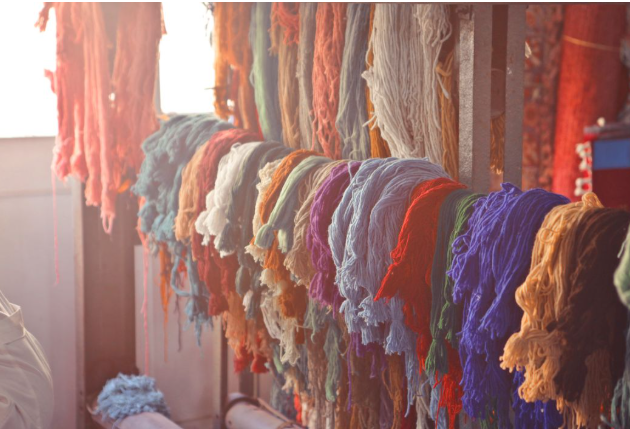

Fashion has always evolved with society, reflecting changing lifestyles, cultural shifts, and technological advancements. Today, the industry is witnessing another transformation—one driven not by trends alone, but by a growing commitment to sustainability. At the heart of this change is the rise of plant-based textiles, a movement that is reshaping how clothes are made, worn, and valued.
As conversations around climate change, resource conservation, and responsible consumption become increasingly important, fashion is looking toward nature for solutions. Designers, manufacturers, and innovators are exploring materials derived from plants and agricultural byproducts to create fabrics that are both environmentally responsible and commercially viable.
This shift is not simply about replacing one material with another. It represents a broader change in thinking—one that seeks to balance style, comfort, innovation, and environmental responsibility.
A New Chapter for the Fashion Industry
For decades, the fashion sector has relied heavily on resource-intensive production methods and synthetic materials. While these innovations made clothing more affordable and accessible, they also contributed to environmental challenges, including high water consumption, waste generation, and pollution.
Today, the industry is embracing a different path. Plant-based textiles are emerging as an important part of a more sustainable fashion ecosystem, offering alternatives that are renewable, biodegradable, and often produced with a smaller environmental footprint.
From everyday apparel to luxury collections, these materials are increasingly finding their place across the fashion spectrum.
Nature Inspiring Modern Innovation
What makes the rise of plant-based textiles particularly fascinating is the way traditional natural resources are being combined with modern technology.
Natural fibers have been used for centuries, but advances in textile science are helping improve their performance, durability, and versatility. Researchers are discovering new ways to transform plant materials into fabrics that meet the demands of modern consumers while maintaining environmental benefits.
The result is a new generation of textiles that offer comfort, functionality, and sustainability without compromising on quality.
Turning Agricultural Resources into Opportunity
One of the most promising developments in sustainable fashion is the use of agricultural byproducts to create textile materials.
Across many regions, plant residues that were once discarded after harvest are now being transformed into valuable resources. This innovative approach helps reduce waste while creating additional economic opportunities within agricultural communities.
By finding new uses for existing resources, the fashion industry is demonstrating how creativity and sustainability can work together to build a more efficient and responsible production system.
Supporting a More Sustainable Future
Plant-based textiles contribute to several important environmental goals. Many require fewer natural resources during cultivation and production, helping reduce pressure on water supplies and agricultural land.
Their biodegradable nature also offers advantages in addressing long-term waste management challenges. Unlike many conventional synthetic materials, plant-derived fabrics can often return more naturally to the environment at the end of their lifecycle.
In addition, these materials help support broader efforts to reduce dependence on fossil fuel-based products and encourage the use of renewable resources.
Changing Consumer Expectations
The growing popularity of plant-based textiles reflects changing attitudes among consumers.
People are becoming more interested in understanding where their clothing comes from and how it is produced. Sustainability is increasingly influencing purchasing decisions, with many consumers seeking products that align with their environmental values.
Fashion is no longer viewed solely as a matter of appearance. It is becoming part of a larger conversation about responsible consumption, ethical production, and environmental stewardship.
This shift is encouraging brands to innovate and invest in materials that support both consumer expectations and sustainability goals.
Innovation Meets Responsibility
The development of plant-based textiles highlights how innovation can address some of the world’s most pressing challenges.
Scientists, designers, and manufacturers are working together to create materials that reduce environmental impact while meeting the performance standards expected by modern consumers.
These efforts are helping to build a future where sustainability is integrated into every stage of the fashion value chain—from sourcing and production to consumption and disposal.
The focus is increasingly moving beyond simply reducing harm toward creating systems that are regenerative, efficient, and resilient.
The Future of Fashion Is Taking Shape
As the global fashion industry continues its sustainability journey, plant-based textiles are expected to play an increasingly important role.
The growing interest in renewable materials reflects a broader shift toward responsible innovation and long-term thinking. It demonstrates that environmental consciousness and creative expression can coexist, opening new possibilities for designers, brands, and consumers alike.
Fashion has always been a reflection of its era. Today, that reflection is becoming greener, more thoughtful, and more connected to the natural world.
More Than a Trend
The rise of plant-based textiles is not merely a passing trend—it is part of a larger transformation in how the world approaches fashion and sustainability.
By embracing renewable resources, reducing waste, and encouraging innovation, the industry is moving toward a future where style and environmental responsibility go hand in hand.
As this transformation continues, plant-based textiles are proving that the future of fashion may not be built solely in factories and design studios, but also in fields, farms, and ecosystems that inspire a more sustainable way forward.
In many ways, fashion’s next great innovation is not something entirely new—it is a renewed appreciation for the power of nature itself.