
Pic Credit: Pexel
When planning a home makeover, most people focus on walls, flooring, furniture and décor, while the ceiling often gets little attention. But the “fifth wall” can quietly influence how a room feels, looks and functions.
Today, ceiling design is becoming an important part of home improvement. From soft cove lighting and wooden accents to floating ceilings, layered gypsum work and statement colours, homeowners are using the overhead space to add character without completely changing the room.
Make Lighting Part of the Design
One of the easiest ways to refresh a ceiling is by upgrading the lighting. Linear LEDs, recessed lights, magnetic tracks and concealed lighting can create a softer and more modern atmosphere than a single central fixture.
Warm lighting can make bedrooms and living rooms feel cosy, while brighter, well-positioned lights can make kitchens, study areas and workspaces more practical.
Add Depth with False Ceilings
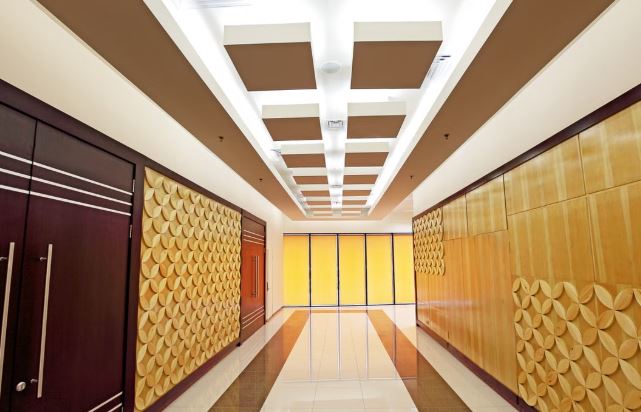
A simple false ceiling can change the proportions and visual appearance of a room. Layered gypsum ceilings, recessed sections and slim cove lighting can introduce depth while keeping the overall design clean.
For smaller homes, however, the design needs to be carefully planned. Heavy or excessively low ceilings can make a compact room feel even smaller, so minimal layers and lighter finishes often work better.
Bring Warmth with Wood
Wooden beams, slatted panels and wood-look ceiling finishes can give an otherwise plain room a warmer personality. They work particularly well in living rooms, dining areas and bedrooms where homeowners want a relaxed, natural atmosphere.
Even a small wooden detail can become a focal point without turning the ceiling into an overwhelming design feature.
Let Colour Move Beyond the Walls
Ceilings no longer have to remain white. Extending a wall colour onto the ceiling can create a cocoon-like effect, while soft neutral shades can make a room feel calm and sophisticated.
For homeowners who prefer something more expressive, patterned wallpaper or a carefully chosen accent colour can turn the ceiling into a statement feature.
Small Changes Can Make a Big Difference
A complete renovation is not always necessary to improve a ceiling. Replacing outdated lighting, adding a slim cove-lighting detail, repainting the ceiling or introducing a small decorative panel can refresh the entire room.
The key is to choose a design that complements the furniture, wall colours and natural light rather than treating the ceiling as a separate element.
A More Thoughtful Approach to Home Improvement
Modern ceiling design is ultimately about creating a better experience at home. The right combination of lighting, colour, texture and proportion can make a space feel warmer, brighter and more comfortable.
As homeowners increasingly look for practical ways to personalise their interiors, the ceiling is moving from an overlooked surface to an important part of home improvement. Sometimes, transforming a room really can begin by simply looking up.
