

Crafting Futures: Empowering Women Entrepreneurs through Handmade and Homegrown Crafts in India
Craft Revolution
The craft revolution in India is a transformative movement that is not only revitalizing traditional art forms but also significantly empowering women entrepreneurs. With the increasing dominance of mass production and factory-made goods, there has been a growing awareness and appreciation for handmade and homegrown crafts. This shift is fostering a new era where artisans, particularly women, are reclaiming their skilled craftsmanship and, in the process, reshaping their economic landscapes.
In many parts of India, crafts are more than just products; they are a reflection of cultural heritage and identity. These handmade goods embody the stories and skills passed down through generations. As women artisans engage in crafting, they are not only preserving their cultural heritage but are also finding avenues for expression and self-discovery. The unique qualities of handmade crafts, such as authenticity and artistry, have garnered interest from consumers who value ethical purchasing and sustainable practices. This cultural resurgence is empowering women to take the lead in entrepreneurial endeavors, creating livelihoods and enhancing their social status.
The rise of platforms that promote homegrown crafts signifies a pivotal shift in market dynamics. By providing women artisans with the necessary resources and visibility, these platforms enable them to reach broader audiences, thus maximizing their potential to thrive as entrepreneurs. Moreover, the movement encourages collaboration among women artisans, fostering a sense of community and shared strength. As more women engage in this craft revolution, they are building a network of resilience and empowerment, ultimately contributing to the economic growth of their communities. The intertwining of craft with identity not only preserves traditions but also sustains social structures, showcasing the profound impact of handmade and homegrown crafts on women’s livelihoods in India.
The Role of Women in Craftsmanship
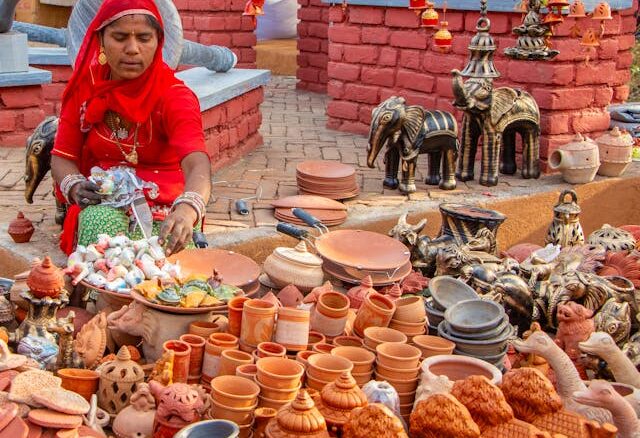
In India, women have historically played a pivotal role in the realm of craftsmanship, serving as both creators and keepers of traditional skills. From weaving intricate textiles to crafting pottery, these artisans embody the rich cultural tapestry of the nation. Historically, women have been the custodians of craft techniques, having inherited them from generations past, while also adapting their creations to modern needs and markets. This transmission of skills not only preserves heritage but also fosters a sense of identity among communities.
Their contributions to the crafting landscape extend beyond mere creation; women utilize their craftsmanship as a means of empowerment. By establishing home-based enterprises, they transform traditional practices into sustainable livelihoods. This entrepreneurial spirit is evident in various regions of India where women artisans harness local resources, often using eco-friendly and sustainable materials, thereby not just creating artisanal goods but also advocating for environmental consciousness.
Furthermore, the impact of women’s craftsmanship is profound in providing economic stability for their families. Women artisans often serve as the primary breadwinners, using their skills to forge business opportunities that challenge societal norms surrounding gender roles. This shift is significant not only for individual artisans but also for broader community dynamics, as empowered women contribute to local economies and inspire future generations.
The resurgence of interest in handmade and homegrown crafts has facilitated avenues for women to market their products effectively, both locally and internationally. By participating in fairs, online platforms, and cooperatives, they enhance their visibility and gain access to new markets, thereby creating additional avenues for income generation. Overall, women artisans in India exemplify resilience and creativity, proving that craftsmanship is not merely a profession but a powerful means of elevating their status in society.
Diverse Craft Forms: From Decor to Wearables
The realm of handmade and homegrown crafts in India showcases an impressive variety of craft forms, each reflecting the cultural nuances and artistic heritage of different regions. Women entrepreneurs are at the forefront of this vibrant sector, leveraging their creativity and skills to create a vast array of products ranging from decorative items to wearable art.
One prominent craft form is handmade décor, which includes items like wall hangings, wooden artifacts, and handcrafted pottery. These products are often imbued with traditional motifs and contemporary designs, appealing to both local and international markets. The uniqueness of handmade décor lies in its labor-intensive production process, which guarantees distinctiveness and artistry. The profit margins can be substantial, particularly in niche markets where consumers value authenticity and craftsmanship.
Artificial craftwork has also carved a significant niche within the industry. Artisans create products such as imitation jewelry, flowers, and ornaments, often using upcycled materials. This form of crafting is not only environmentally friendly but also allows artisans to experiment with designs at a low cost, making it an accessible entry point for many women entrepreneurs. The versatility of artificial crafts ensures a steady demand, contributing positively to potential profit margins.
Rexin creations, involving synthetic leather, have gained traction due to their durability and aesthetic appeal. These products range from bags to home accessories, and their growing popularity can largely be attributed to changing consumer preferences for stylish yet affordable options. The combination of functionality and style provides women artisans with ample opportunity to capture a wide audience.
Leather goods, made from both genuine and artificial leather, offer another lucrative avenue for women craftspeople. These goods—encompassing everything from wallets to footwear—are highly sought after for their quality and craftsmanship. As the market for sustainable fashion expands, the appeal of well-crafted leather items continues to rise.
Finally, traditional handloom weaving remains a time-honored craft that signifies cultural heritage. Women weavers adeptly create beautiful textiles that are not only functional but also serve as wearable art. The intricacies involved in handloom weaving demand a high level of skill and often result in products that are priced at a premium in the market.
Overall, the diversity in craft forms pursued by women entrepreneurs highlights the creativity and innovation inherent in the sector. By exploring various niches, these artisans are not only generating income but are also enriching the cultural narrative of handmade crafts in India.
Low Investment, High Potential: The Business Model of Handmade Crafts
The business model of handmade crafts stands out for its low investment requirements, making it an attractive option for first-time female entrepreneurs in India. Starting a handmade craft business often necessitates minimal financial outlay, as many artisans can begin their ventures from home using readily available materials. This accessibility allows women with limited capital to enter the market without the burden of significant debts or overhead costs.
One of the most appealing aspects of this model is its flexibility. Aspiring entrepreneurs can initially start small, focusing on a specific craft or technique, and gradually expand their offerings as demand grows. Such an approach not only reduces risks but also enables women to test the waters before making larger commitments. For instance, a woman might begin by creating handmade jewelry or home decor items, and as she gains experience and confidence, she can diversify her product range to include more intricate designs or additional categories of crafts.
The field of handmade crafts also invites experimentation, allowing entrepreneurs to explore different materials, styles, and trends. This creative freedom fosters innovation, which is essential for standing out in a competitive market. By cultivating a unique brand identity through personal touch and quality, women can create products that resonate with consumers looking for authentic and locally sourced items.
Financial management is crucial in this business model. Aspiring entrepreneurs should prioritize budgeting and understanding the costs associated with their crafts. Keeping track of material expenses, production time, and pricing strategies is vital to ensuring sustainable profitability. Moreover, leveraging online platforms for sales can reduce traditional marketing costs while reaching a broader audience. By implementing these key financial insights, women can turn their passions into profitable enterprises in the vibrant world of handmade crafts.
Personalization: A Key to Market Demand
Personalization has become an essential aspect of the handmade and homegrown crafts market in India, significantly influencing consumer purchasing decisions. As an importance of tailored products increased, women entrepreneurs have discovered that customized items resonate strongly with customers, especially during gifting seasons, festivals, and various social occasions. The ability to provide a unique touch sets them apart in a competitive landscape, allowing them to cater to individual preferences and needs.
Successful examples abound to illustrate this trend; consider the appeal of personalized jewelry, which can incorporate names, birthstones, or meaningful symbols. Such items often become cherished gifts during weddings, birthdays, or festivals like Raksha Bandhan and Diwali. The emotional connection consumers establish with personalized products establishes a potential for repeat business, as consumers are more likely to return to creators whose work speaks to their sentiment.
Women entrepreneurs employ several strategies to effectively meet market demand for personalized crafts. One primary approach is engaging directly with customers through social media platforms, enabling them to showcase their work and gather feedback. This two-way communication fosters a sense of community and enables artisans to refine their offerings based on consumer insights, thus driving a more personalized experience. Furthermore, leveraging local traditions and cultural nuances can also elevate the personal touch of handmade items, ensuring that products reflect the rich heritage of Indian craftsmanship.
Another important strategy is maximizing platforms like online marketplaces, where artisans can customize their offerings based on prevailing trends and consumer feedback. By rapidly adjusting their product lines and incorporating trending themes, women can ensure their crafts remain relevant and appealing. In this landscape, personalization not only enhances aesthetic value but also significantly contributes to building brand loyalty among customers.
Utilizing Social Media as a Sales Platform
In the contemporary landscape of commerce, social media platforms have emerged as pivotal tools for women artisans in India, providing them with the means to connect directly with customers. By leveraging platforms such as Instagram, WhatsApp, and Facebook, these entrepreneurs create vibrant storefronts that transcend traditional retail barriers. This digital approach not only facilitates the sale of handmade and homegrown crafts but also fosters community engagement and brand loyalty.
Instagram, in particular, stands out as a visually-driven platform that allows artisans to showcase their craft effectively. By posting high-quality images and videos of their products, women entrepreneurs can attract potential buyers while narrating the story behind each piece. The use of relevant hashtags and location tags further amplifies their reach, connecting them with a global audience that appreciates handcrafted items. Furthermore, the interactive features such as stories, live sessions, and reels empower artisans to engage with customers, share insights into their creative processes, and respond to inquiries in real-time.
Similarly, WhatsApp has transformed into a vital sales channel, serving as a direct line of communication between artisans and their customers. It allows for personalized customer service and immediate feedback, enhancing the buying experience. Artisans can use WhatsApp Business features to manage orders, send catalogs, and provide updates on new products or promotions. This level of engagement helps build strong relationships and facilitates repeat business.
Facebook complements these platforms by enabling women entrepreneurs to form communities. Groups dedicated to handmade crafts not only foster a supportive network but also act as marketplaces for artisans to advertise their creations. Overall, social media platforms serve as powerful sales tools, empowering women artisans in India to thrive and expand their businesses beyond geographic limitations.
Craft-Based Entrepreneurship as a Path to Financial Independence
Craft-based entrepreneurship has emerged as a vital avenue for women in India seeking financial independence and empowerment. Across various regions, women are harnessing their skills in traditional crafts, transforming their creative passions into sustainable businesses. This shift not only contributes to individual financial stability but also plays an essential role in community development. By producing handmade crafts, these entrepreneurs directly impact their households, thereby improving the quality of life for their families.
One compelling example is the story of Aditi, a skilled weaver from a small village in Rajasthan. Initially struggling to make ends meet, Aditi began to sell her handcrafted textiles through local markets and online platforms. With the support of various NGOs, she received training in business management and marketing strategies, which allowed her to expand her customer base significantly. Today, Aditi’s business not only supports her family but also provides employment opportunities for other women in her community. Her experience illustrates the potential of craft-based entrepreneurship as a means of achieving financial independence.
The emotional rewards are equally significant. Many women report a heightened sense of self-worth and autonomy as they engage in their crafts and witness the tangible results of their labor. Testimonials from other craft-based entrepreneurs indicate a newfound confidence and the ability to make decisions that directly affect their lives and families. By sharing their success stories, these women inspire others to explore the realm of handmade and homegrown crafts, creating a ripple effect within their communities.
The craft-based entrepreneurship landscape is enriched by the dedication and resilience of women who embrace their artistic talents. As they build businesses rooted in tradition and culture, these women are not only paving their paths to financial independence but are also revitalizing the arts and crafts heritage of India.
Building Stronger Communities through Crafts
The emergence of women-led craft businesses in India has significantly contributed to the strengthening of communities. These enterprises are not merely economic ventures; they embody cooperative spirit and social cohesion. Women entrepreneurs engage in collaboration, sharing resources, skills, and knowledge, which cultivates a supportive environment essential for the vitality of local economies. Through these businesses, women harness traditional skills, transforming handmade crafts into profitable products that resonate with both local and global markets.
Furthermore, these enterprises play a crucial role in fostering social networks. Women involved in crafts often come together to form groups or collectives that provide a platform for networking and collaboration. This collective approach not only enhances their visibility in the market but also strengthens their bargaining power with suppliers and distributors. As they share best practices and innovation, these communities develop a robust support system that encourages the growth and sustainability of their craft ventures.
The impact of women entrepreneurs extends beyond mere economic gains. Community empowerment is significantly enhanced through their efforts. By providing employment opportunities and financial independence to themselves and others, women entrepreneurs uplift those around them. This, in turn, cultivates a sense of pride and ownership within the community. Crafting futures together, they contribute to a rediscovery of cultural heritage while addressing contemporary socio-economic challenges. The interconnectedness fostered by these initiatives promotes resilience against external economic pressures, reinforcing the importance of local crafts in the global marketplace.
Ultimately, the rise of women-led craft businesses exemplifies how creative endeavors can forge a path toward communal strength. By empowering one another, these entrepreneurs not only enrich their lives but also contribute to a vibrant and sustainable community ecosystem.
Future Prospects: Nurturing Growth in the Craft Sector
The craft sector in India represents a rich tapestry of culture, tradition, and creativity, with handmade crafts serving as an essential component of the economy. As more women embrace entrepreneurship, the future of this sector appears promising, yet it is not without its challenges. Identifying areas for growth is a crucial step towards empowering women entrepreneurs, enabling them to thrive in a competitive market.
One significant growth area lies in the increasing demand for sustainable and ethically produced goods. Consumers are becoming more conscious of their purchasing choices, favoring products that not only reflect authenticity but also support local communities. This trend creates a unique opportunity for women artisans to showcase their handmade products while reinforcing their commitment to sustainability. Emphasizing eco-friendly practices in production can further attract customers who prioritize responsible consumerism.
Moreover, the digital landscape presents a new frontier for the craft sector. Women entrepreneurs can leverage online platforms to reach broader markets, thus overcoming geographical barriers that traditionally limited their businesses. Through e-commerce and social media, artisans can promote their crafts, tell their stories, and connect with customers who appreciate the artistry and value behind handmade products.
However, the path to growth requires robust support systems. Access to training programs focused on skill development, marketing, and business management is vital for women entrepreneurs. Additionally, expanding access to essential resources, such as raw materials and financial support, will empower them to scale their operations effectively. Market opportunities must also be prioritized, fostering collaborations between artisans and larger retail organizations to enhance visibility and sales.
In conclusion, nurturing the growth of the craft sector, especially for women entrepreneurs, involves addressing challenges while embracing opportunities. Through strategic support initiatives, the handmade and homegrown crafts of India have the potential to flourish, securing a sustainable future in both local and global markets.