
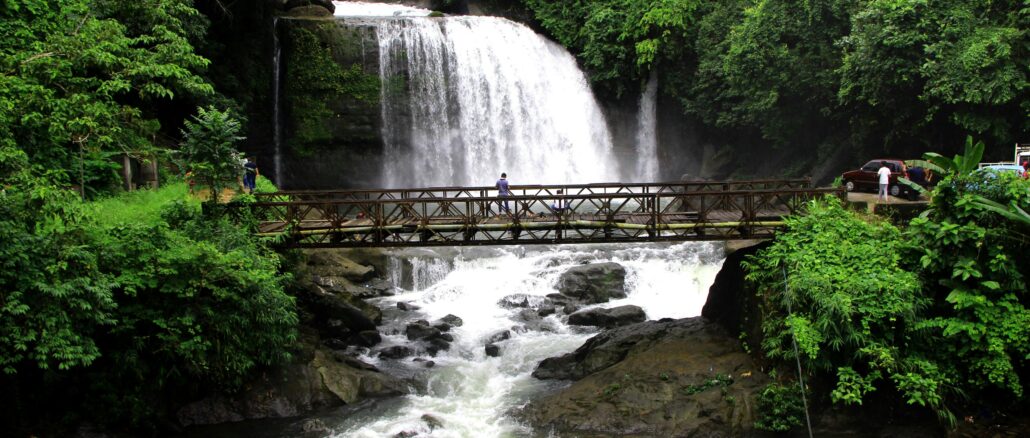

Best Time to Visit Meghalaya for Waterfalls and Cave Adventures
Introduction to Meghalaya
Nestled in the northeastern corner of India, Meghalaya—aptly called the “Abode of Clouds”—is a haven for travelers seeking pristine landscapes, refreshing waterfalls, and mystical caves. The state borders Assam to the north and Bangladesh to the south, a strategic location that contributes to its unique microclimate. Home to Cherrapunji and Mawsynram, two of the wettest places on Earth, Meghalaya’s abundant rainfall nourishes dense forests, rolling hills, and rich biodiversity.
The state comprises three main hill regions—Khasi Hills, Jaintia Hills, and Garo Hills—each with distinct cultural identities. The indigenous Khasi, Jaintia, and Garo tribes have preserved their folklore, festivals, and matrilineal traditions for centuries, offering visitors a deep cultural immersion.
Meghalaya experiences a subtropical highland climate, with cool winters, pleasant summers, and heavy monsoons. This diversity enables thrilling adventures like trekking, cave exploration, and waterfall hopping. Whether you crave serenity, nature, or culture, Meghalaya promises an unforgettable journey.
Best Time to Visit Meghalaya
Choosing the ideal season to explore Meghalaya can enhance your experience significantly:
Monsoon (June–September) – For Waterfall Lovers
This is the best time to witness Meghalaya’s waterfalls in their full glory. Verdant valleys, misty hills, and roaring cascades dominate the landscape. However, expect roadblocks, slippery trails, and occasional landslides.
Summer (March–May) – For Pleasant Weather
Summer offers mild temperatures, making it perfect for sightseeing, trekking, and cave exploration. Waterfalls remain impressive, and outdoor activities are easier without heavy rain.
Winter (October–February) – For Cave Exploration & Clear Views
Winter brings crisp air, chilly nights, and clear skies. Waterfalls are less forceful but scenic. This is the best season for cave visits, photography, and cultural festivals.
Exploring Meghalaya’s Majestic Waterfalls
1. Nohkalikai Falls – India’s Tallest Plunge Fall
Located near Cherrapunji, Nohkalikai Falls plunges from over 1,000 feet. Its pool shifts colors—from emerald to blue—depending on the season. A short trek leads to a panoramic viewing platform, ideal for photography.
2. Seven Sisters Falls – A Monsoon Marvel
Popularly known as Mawsmai Falls, this iconic multi-tiered cascade is best viewed during monsoon from various points along the Shillong–Tura route. Local legends and tribal stories add cultural depth to the visit.
3. Elephant Falls – A Shillong Classic
Named after a now-collapsed rock formation resembling an elephant, this three-tier waterfall sits close to Shillong and is ideal for families. Easy walking trails and lush surroundings make it a relaxing stop.
Other Must-See Waterfalls
Dainthlen Falls – Steeped in folklore
Wah-kaba Falls – Perfect for scenic photography
Weinia Falls – Located in the lesser-explored Garo Hills
Meghalaya’s waterfalls aren’t just scenic icons—they’re cultural landmarks intertwined with local myths and daily life.
Caving Adventures in Meghalaya
One of India’s top spelunking destinations, Meghalaya boasts Asia’s most complex cave systems. Its limestone caves, some millions of years old, offer fascinating formations and underground rivers.
1. Siju Caves – The Cave of Bats
Located in South Garo Hills, Siju Caves feature remarkable limestone formations such as stalactites and stalagmites. The “Cave of Sighs” is especially popular among explorers.
2. Liat Prah – India’s Longest Cave System
Part of the Jaintia Hills network, Liat Prah is a labyrinth of tunnels and streams. Its impressive “Airplane Hangar” chamber is a highlight.
Caving Tips
Essential gear: helmet, headlamp, sturdy footwear
Wear moisture-wicking clothes
Explore with experienced guides
Avoid solo exploration
Stay aware of weather and cave conditions
Whether you’re an experienced spelunker or a curious beginner, Meghalaya’s caves promise unmatched adventure.
Local Cuisine and Food Recommendations
Meghalaya’s cuisine reflects its tribal roots—fresh, hearty, and flavorful. Rice is a staple, complemented by meat, herbs, and fermented ingredients.
Must-Try Dishes
Jadoh – Khasi rice cooked with meat, turmeric, and spices
Dohneiiong – Pork simmered in a black sesame gravy
Tungrymbai – Fermented soybeans sautéed with spices
Pukhlein – Crispy rice-flour snack sweetened with jaggery
Khasyllang – A traditional rice-based sweet
Visit Shillong’s Police Bazaar or local village markets to enjoy authentic culinary delights.
Cultural Experiences and Festivals
Meghalaya’s festivals offer a vibrant window into its tribal traditions.
1. Wangala Festival – Garo Harvest Festival
Also known as the “Festival of 100 Drums”, Wangala (October–November) celebrates the harvest and honors the Sun God. Expect energetic drumming, dancing, and colorful traditional attire.
2. Shad Suk Mynsiem – Khasi Thanksgiving Festival
Held in April, this festival symbolizes gratitude for harvest and life. Young men and women perform ritual dances, dressed in ornate tribal clothing and gold ornaments.
Engaging in Meghalaya’s festivals allows visitors to connect deeply with local customs and community values.
Adventure Activities in Meghalaya
From lush forests to rugged cliffs, Meghalaya offers numerous thrill-seeking activities:
Trekking
Living Root Bridge Trek (Cherrapunji / Nongriat)
Duration: 3–4 hours
David Scott Trail (Shillong–Mawphlang)
A historic trail offering moderate difficulty
Rock Climbing
Smit and Mawsmai areas are popular for both amateur and pro climbers. Prices start from ₹1,500, including gear.
Zip-Lining
Zip across valleys near Shillong or the Double Decker Root Bridge area. Approximate cost: ₹1,200 per person.
Adventure tours can be booked online or via Meghalaya Tourism centers.
Accommodation Options
Meghalaya offers a wide range of stay options:
Luxury Hotels
Found mainly in Shillong and Cherrapunji, offering spa treatments, guided tours, and panoramic views.
Budget Hostels & Guesthouses
Ideal for backpackers, especially around Shillong’s Police Bazaar and Sohra. Book early during peak season.
Homestays
Experience authentic hospitality by staying with local families. Enjoy home-cooked food, cultural interactions, and eco-friendly environments.
Choose stays close to your preferred attractions to save time and travel costs.
Travel Tips and Safety Guidelines
Transport
Public buses and shared taxis are common
Private cabs are recommended for long-distance sightseeing
Roads can be steep and winding—hire local drivers if unsure
Local Etiquette
Greet locals respectfully; learning a few Khasi or Garo words helps
Dress modestly at cultural or sacred sites
Support local artisans and eco-friendly initiatives
Safety Essentials
Wear good trekking shoes—trails and waterfall paths can be slippery
Avoid exploring remote areas alone
Keep track of weather updates
Carry a small first-aid kit
Responsible Tourism
Do not litter—carry back your waste
Stay on marked trails
Respect wildlife and local ecosystems
Conclusion
Meghalaya is a dream destination for travelers seeking a blend of waterfalls, caves, culture, and adventure. With its dramatic landscapes, ancient traditions, and warm hospitality, the state offers an extraordinary travel experience. Whether you’re chasing waterfalls, exploring hidden caves, or immersing yourself in tribal festivals, Meghalaya guarantees memories that last a lifetime.