

Introduction to Cappadocia
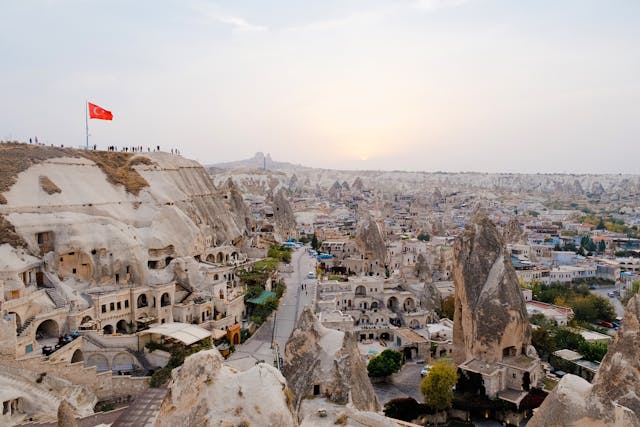
Cappadocia is one of Turkey’s most extraordinary travel destinations, located in the heart of central Anatolia. Renowned for its surreal landscapes, ancient history, and rich cultural heritage, the region feels like a world carved by both nature and time. Its most iconic features—the fairy chimneys—are tall, cone-shaped rock formations sculpted over thousands of years by volcanic activity and erosion, creating a dreamlike setting unlike anywhere else on Earth.
Often referred to as the “Land of Beautiful Horses,” Cappadocia’s beauty extends far beyond its geology. The region has been continuously inhabited since ancient times and has served as home to the Hittites, Phrygians, Romans, and Byzantines. Each civilization left behind remarkable traces, from underground cities and cave dwellings to rock-cut churches adorned with frescoes.
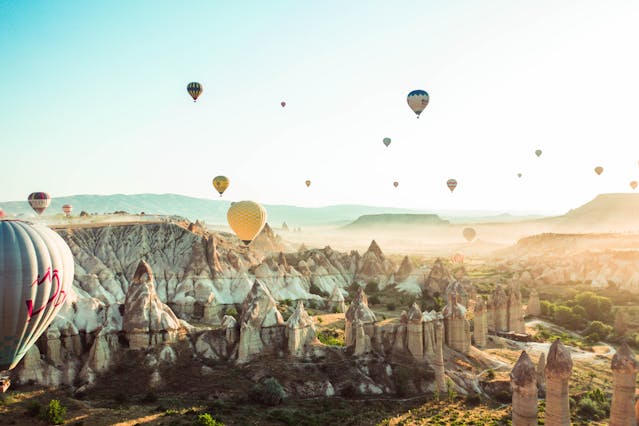
Cappadocia’s historical significance is recognized globally, with several sites designated as UNESCO World Heritage landmarks. In modern times, the region has gained worldwide fame for its hot air balloon rides, offering visitors a breathtaking aerial view of its valleys and stone spires at sunrise. The combination of natural wonder, deep history, and immersive experiences makes Cappadocia an essential destination for travelers exploring Turkey.
How to Get to Cappadocia
Reaching Cappadocia is relatively easy, with multiple transportation options available. The fastest and most convenient way is by air. Two airports serve the region: Kayseri Erkilet Airport, located about 70 kilometers away, and Nevşehir Kapadokya Airport, approximately 30 kilometers from the main towns. Daily flights operate from major cities such as Istanbul and Ankara, followed by shuttle or taxi transfers.
For those who prefer overland travel, intercity buses offer an affordable and scenic alternative. Regular services run from Istanbul, Ankara, Izmir, and other major cities. While the journey can take between 8 and 12 hours depending on the route, it allows travelers to experience Turkey’s diverse landscapes.
Renting a car is another excellent option, particularly for visitors who want flexibility. Cappadocia’s towns and attractions are well connected by roads, making it easy to explore valleys, villages, and historical sites at your own pace.
The best times to visit Cappadocia are spring (April to June) and autumn (September to October), when the weather is mild and ideal for outdoor activities. These seasons also coincide with local festivals and excellent conditions for hot air balloon flights.
Unique Attractions in Cappadocia
Cappadocia is home to an impressive array of natural and historical attractions, each offering a different perspective on the region’s character.
Göreme Open-Air Museum
One of Cappadocia’s most important landmarks, the Göreme Open-Air Museum is a UNESCO World Heritage Site featuring rock-cut churches, monasteries, and chapels dating back to the 10th–12th centuries. The interiors are decorated with beautifully preserved Byzantine frescoes that depict biblical scenes and early Christian symbolism.
Uçhisar Castle
Perched at the highest point in Cappadocia, Uçhisar Castle is a massive rock fortress carved with tunnels, stairways, and chambers. From its summit, visitors are rewarded with sweeping panoramic views of valleys and fairy chimneys stretching across the horizon.
Pasabag (Monk’s Valley)
Pasabag is famous for its striking fairy chimneys, some crowned with multiple rock caps. Once used as hermit dwellings by monks, the valley offers a fascinating blend of natural beauty and spiritual history.
Hot Air Balloon Rides: A Captivating Perspective
A hot air balloon ride over Cappadocia is widely considered a once-in-a-lifetime experience. As dawn breaks, hundreds of balloons rise into the sky, floating gently above valleys, vineyards, and ancient rock formations. The soft morning light transforms the landscape into a breathtaking canvas of color and shadow.
Flights typically last around an hour and are led by experienced pilots who prioritize safety and comfort. Booking well in advance is essential, especially during peak seasons. Dressing in layers is recommended, as early mornings can be cool. After landing, many operators celebrate the flight with a traditional toast, marking the end of an unforgettable journey.
Culinary Adventures: Traditional Cuisine of Cappadocia
Cappadocia’s culinary scene reflects its cultural diversity and agricultural traditions. One of the region’s most beloved dishes is Testi Kebab, a slow-cooked stew prepared in a sealed clay pot and ceremoniously cracked open before serving. The result is tender, flavorful meat infused with herbs and vegetables.
Another local favorite is Manti, Turkish dumplings filled with seasoned meat and topped with yogurt and spiced butter. Dining in Cappadocia often feels personal and intimate, especially in family-run restaurants or homes where traditional recipes have been passed down through generations.
Outdoor Activities: Hiking and Nature Exploration
Cappadocia is a paradise for outdoor enthusiasts. Its valleys offer countless hiking trails that wind through fairy chimneys, orchards, and hidden cave churches.
Ihlara Valley is one of the most scenic hikes, featuring a lush canyon with a river running through it and ancient churches carved into the cliffs. Love Valley, known for its tall rock pillars, offers dramatic scenery and is especially beautiful at sunrise or sunset.
Hikers should wear sturdy footwear, carry water, and follow marked trails. Guided hikes are also available for those seeking local insight and added safety.
Cultural Experiences and Local Traditions
Engaging with Cappadocia’s culture adds depth to any visit. In the town of Avanos, travelers can participate in pottery workshops using red clay from the Kızılırmak River, a craft practiced for centuries.
Evenings often feature cultural shows with traditional Turkish music and folk dances, providing insight into regional customs. Whirling Dervish ceremonies, rooted in Sufi spirituality, offer a deeply moving cultural experience, symbolizing harmony and spiritual devotion.
Local festivals held throughout the year celebrate music, art, and food, allowing visitors to connect with the community and its traditions.
Where to Stay in Cappadocia
Accommodation in Cappadocia is as unique as the landscape itself. Cave hotels, carved directly into rock formations, offer an unforgettable stay that blends history with modern comfort. Luxury options provide panoramic views, fine dining, and spa services, while boutique cave hotels offer charm and personalized hospitality.
Budget travelers will also find welcoming guesthouses and hostels that provide comfort, character, and opportunities to meet fellow travelers.
Travel Tips and Recommendations
Turkish is the primary language spoken in Cappadocia, though English is commonly understood in tourist areas. Carrying some cash in Turkish Lira is useful for small purchases, though cards are widely accepted.
Cappadocia is generally safe for travelers, but standard precautions should be taken, especially when hiking or exploring uneven terrain. Booking balloon rides and guided tours in advance is highly recommended.
Hiring a local guide can greatly enhance your experience, offering historical insights and access to lesser-known sites.
Final Thoughts
Cappadocia is more than just a destination—it is an experience shaped by nature, history, and human ingenuity. From drifting silently above valleys in a hot air balloon to walking through ancient underground cities, every moment feels both timeless and magical. Whether you seek adventure, culture, or quiet beauty, Cappadocia promises a journey that will stay with you long after you leave.