
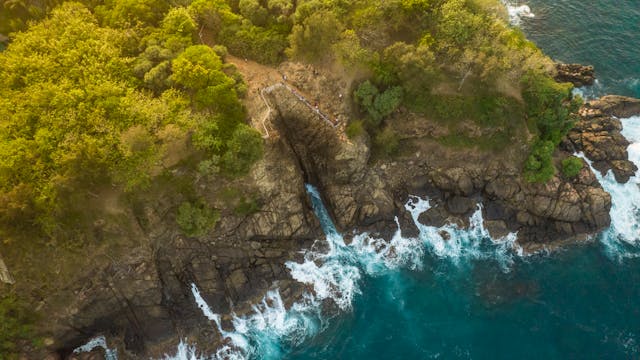

Introduction: Sri Lanka’s Tourism Comeback
Sri Lanka’s tourism industry is witnessing a strong revival after facing years of economic strain and natural challenges. With renewed global interest, the island is once again welcoming travelers drawn by its extraordinary landscapes, deep-rooted cultural heritage, and renowned hospitality. Government-led tourism promotion campaigns, improved infrastructure, and enhanced safety measures have played a vital role in restoring traveler confidence and positioning Sri Lanka as a competitive destination in the global tourism market.
Tourism remains one of Sri Lanka’s most important economic pillars, contributing significantly to national income and employment. As the country rebuilds, tourism has emerged as a key driver of recovery—supporting local communities, small businesses, and sustainable development initiatives. Today, Sri Lanka stands ready to offer visitors meaningful travel experiences that blend nature, culture, adventure, and relaxation.
The Allure of Sri Lanka’s Natural Beauty
Often called the Pearl of the Indian Ocean, Sri Lanka offers an astonishing variety of natural landscapes within a compact area. From golden beaches and rolling tea hills to dense rainforests and wildlife-rich national parks, the island’s diversity is one of its greatest strengths.
Along the coast, beaches such as Unawatuna and Mirissa attract travelers with turquoise waters, coral reefs, and laid-back charm. Inland, the cool-climate hill country—home to destinations like Ella and Nuwara Eliya—offers misty mountains, waterfalls, and tea plantations that create postcard-perfect scenery. Meanwhile, protected reserves such as Yala, Udawalawe, and Sinharaja Rainforest highlight Sri Lanka’s commitment to biodiversity and eco-tourism.
Cultural Heritage and Historical Landmarks
Sri Lanka’s cultural richness is deeply embedded in its ancient cities, sacred sites, and architectural marvels. The island is home to several UNESCO World Heritage Sites that reflect centuries of civilization and spiritual tradition.
Anuradhapura, one of the world’s oldest continuously inhabited cities, showcases ancient stupas, monasteries, and the sacred Sri Maha Bodhi tree. Polonnaruwa, the medieval capital, impresses visitors with its well-preserved ruins and stone-carved Buddha statues, particularly the iconic Gal Vihara. Towering above the surrounding plains, Sigiriya Rock Fortress stands as one of Sri Lanka’s most remarkable landmarks, combining royal history, engineering brilliance, and artistic expression.
These historical sites not only preserve the island’s past but also offer travelers a deeper understanding of Sri Lanka’s cultural identity.
Wildlife Adventures and Eco-Tourism
Sri Lanka is one of Asia’s most rewarding destinations for wildlife encounters. Its national parks provide visitors with opportunities to observe animals in their natural habitats while supporting conservation efforts.
Yala National Park is famous for its high leopard population, as well as elephants, sloth bears, and diverse birdlife. Udawalawe National Park is particularly known for elephant sightings and plays an important role in elephant conservation. Safari experiences in these parks offer a balance of adventure, education, and environmental awareness, making them a highlight for nature lovers.
Beach Escapes: Coastal Paradise
Sri Lanka’s coastline offers something for every type of traveler. Unawatuna is ideal for snorkeling and relaxed beach days, while Mirissa combines scenic beauty with whale-watching opportunities and vibrant seaside dining. On the eastern coast, Arugam Bay is internationally recognized for its surf culture and laid-back atmosphere.
Each coastal destination has its own character—ranging from lively beach towns to quiet, untouched stretches—allowing visitors to tailor their experience to their travel style.
Urban Experiences: Cities with Character
Sri Lanka’s cities reflect a dynamic blend of tradition and modern life. Colombo, the capital, offers bustling markets, colonial architecture, modern shopping districts, and a growing culinary scene. From street food stalls to fine dining restaurants, the city showcases Sri Lanka’s evolving urban identity.
Kandy, often considered the cultural heart of the island, is home to the sacred Temple of the Tooth Relic and hosts the famous Esala Perahera festival. Surrounded by hills and a tranquil lake, Kandy provides a more traditional and spiritual city experience.
Culinary Delights: A Journey of Flavors
Sri Lankan cuisine is an essential part of the travel experience. Centered around rice and curry, meals are infused with aromatic spices such as cinnamon, cardamom, and cloves—ingredients that reflect the island’s history along ancient spice routes.
Popular dishes include hoppers, kottu roti, sambols, and a wide variety of vegetarian curries. Street food plays a major role in everyday life, offering travelers affordable and flavorful options. Cooking classes and food tours provide visitors with hands-on opportunities to explore Sri Lanka’s culinary traditions.
Adventure and Outdoor Activities
For adventure seekers, Sri Lanka offers a wide range of outdoor activities. Hiking trails in Ella lead to panoramic viewpoints and iconic landmarks like the Nine Arch Bridge. White-water rafting in Kitulgala delivers adrenaline-filled experiences surrounded by rainforest scenery. The hill country also offers mountain biking, birdwatching, and waterfall exploration.
These activities allow travelers to experience Sri Lanka’s landscapes in an active and immersive way.
The Future of Tourism in Sri Lanka
The future of tourism in Sri Lanka looks promising, with a growing emphasis on sustainability, community involvement, and responsible travel. Balancing tourism growth with environmental protection remains a key priority, especially in ecologically sensitive areas.
By promoting eco-tourism, supporting local businesses, and preserving cultural heritage, Sri Lanka aims to create a tourism model that benefits both visitors and residents. Continued investment in digital platforms, infrastructure, and transport will further enhance accessibility and visitor experiences.
Conclusion
Sri Lanka’s tourism revival is a testament to the country’s resilience and enduring appeal. With its stunning landscapes, rich history, vibrant culture, and warm hospitality, the island offers travelers far more than just a holiday—it offers meaningful connections and unforgettable memories.
As Sri Lanka continues to rebuild and grow, it stands ready to welcome the world once again, inviting visitors to discover the many beautiful places that make this island truly exceptional.