
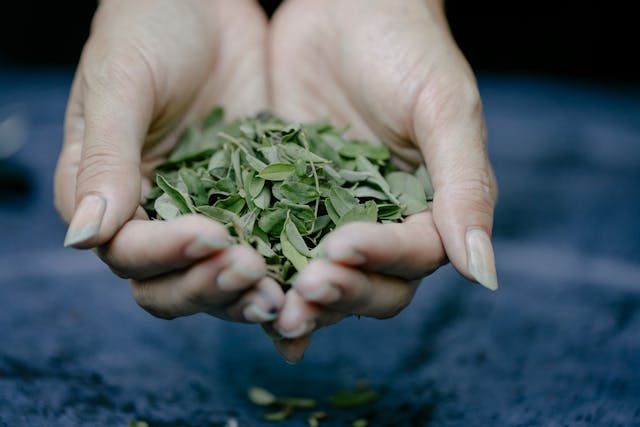

India is steadily transforming its medicinal plant and Ayush ecosystem into a globally competitive, technology-driven sector. At a recent two-day National Seminar on “Design and Development of Tools for Quality Assessment of Medicinal Plants at Farm Gates” held at IIT Delhi on 8–9 January 2026, experts from the Ministry of Ayush, including the National Medicinal Plant Board (NMPB), emphasized the critical role of Artificial Intelligence (AI), blockchain, and digital tools in monitoring and verifying the quality of medicinal plants from the farm to the global supply chain.
The seminar brought together policymakers, scientists, technologists, industry leaders, and researchers to develop strategies that integrate innovation, traditional knowledge, and regulatory frameworks to ensure quality, safety, and traceability in the rapidly growing herbal industry.
Driving Innovation at the Farm Gate
In his keynote, Prof. Dr. Mahesh Kumar Dadhich, CEO of NMPB, highlighted the importance of farm-gate quality systems as the foundation for India’s Ayush sector growth. Alongside him, Prof. Dr. Tanuja Nesari, Director of ITRA, stressed the need to merge centuries-old Ayurvedic knowledge with modern technologies.
Technical sessions on the first day explored sustainable cultivation, regenerative agriculture, AI-enabled quality assessment, and digital traceability. Experts from organizations like ICAR–DMAPR, IIT Delhi, WHO, CCRAS, Himalaya Wellness, and Herbalscape Crops shared insights on field-based applications and international standards.
AI technologies, combined with digital phenotyping and portable testing devices, are being adopted to:
-
Detect adulteration and variability in medicinal plants.
-
Ensure consistent quality for both domestic and international markets.
-
Reduce losses for farmers and collectors through precise monitoring.
Blockchain and Supply-Chain Transparency
On the second day, experts focused on roadmap building for integrating AI and blockchain technology. Consensus emerged that digital traceability platforms are no longer optional—they are essential for ensuring authenticity, safety, and compliance with global pharmacopoeia standards.
Blockchain-enabled supply chains allow every stage of the medicinal plant journey to be documented—from the moment seeds are sown to processing and export. This not only boosts farmer incomes but also builds global trust in Indian herbal products.
Transforming Healthcare and Surgery
The impact of this technology-driven approach extends far beyond agriculture. The seminar highlighted its significance for healthcare and surgical applications:
-
Therapeutic Efficacy: High-quality herbal raw materials ensure more effective Ayurvedic formulations for chronic and acute conditions.
-
Surgical Support: Medicinal plants with antiseptic, anti-inflammatory, and wound-healing properties can now be standardized and safely used in post-operative care.
-
Global Adoption: Verified, traceable raw materials increase international confidence in India’s herbal medicines, paving the way for wider adoption in integrative medicine practices worldwide.
By leveraging AI, blockchain, and digital quality tools, India is ensuring that herbal medicines are safe, authentic, and effective, which is vital for both clinical use and global export markets.
Integrating Tradition and Technology
One of the seminar’s key messages was the integration of traditional knowledge systems, such as Vriksha Ayurveda, with modern digital quality frameworks. This approach demonstrates that India’s centuries-old herbal wisdom can be validated scientifically, digitized, and scaled globally.
Capacity-building sessions equipped stakeholders with advanced tools, policy updates, and evolving standards, ensuring that farmers, researchers, and industry leaders are ready to implement technology-driven quality assurance at the point of origin.
Economic and Sectoral Growth
The adoption of AI and digital tools at the farm gate has broader implications for India’s Ayush economy:
-
Export Potential: High-quality, traceable medicinal plants strengthen India’s position in global herbal markets.
-
Industry Growth: Integration of modern technology with traditional practices attracts domestic and international investment.
-
Employment: Initiatives to train farmers and technicians in AI, blockchain, and quality monitoring generate employment and empower rural communities.
-
Healthcare Innovation: Consistent, safe, and effective raw materials enhance the credibility of Ayurvedic, herbal, and integrative treatments in hospitals and clinics.
By building a technology-enabled, globally trusted supply chain, India is setting the stage for the Ayush sector to contribute significantly to healthcare innovation and economic growth.
A Vision for the Future
The seminar laid the groundwork for a national framework for AI-enabled, blockchain-integrated medicinal plant supply chains. These developments directly support government initiatives such as Atmanirbhar Bharat and Make in India, positioning India as a global leader in the Ayush and herbal medicine sector.
Experts agreed that farm-gate quality is the cornerstone of sustainable growth. By combining traditional knowledge with modern technology, India can ensure that its herbal products meet international quality standards, provide safe and effective solutions for healthcare and surgery, and boost the global competitiveness of its medicinal plant industry.
India’s Ayush ecosystem is no longer just a national asset—it is a global resource, demonstrating that innovation, tradition, and technology can work together to improve health outcomes, empower communities, and position India as a trusted leader in herbal medicine worldwide.