
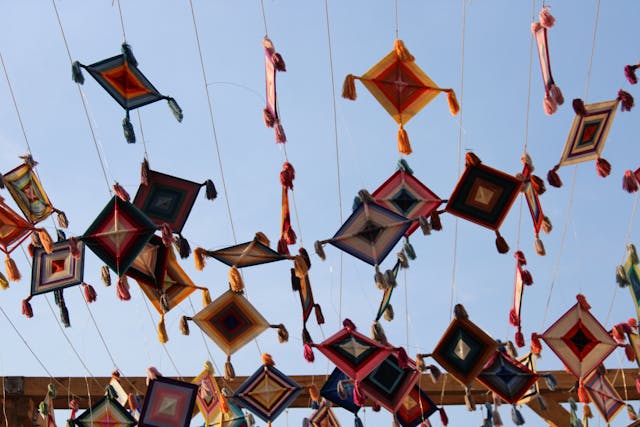

January is one of the most rewarding months to travel in India. The winter chill begins to soften, days grow brighter, and across the country people step out to celebrate the harvest. From the crackling bonfires of the north to kite-filled skies in the west, sun-worship rituals in the south, and quiet agrarian traditions in the east, India’s harvest festivals offer travellers a deeply immersive cultural experience.
Lohri, Makar Sankranti, Pongal, and Odisha’s Makara Sankranti celebrations together form a vibrant seasonal circuit that reflects India’s agricultural soul and regional diversity.
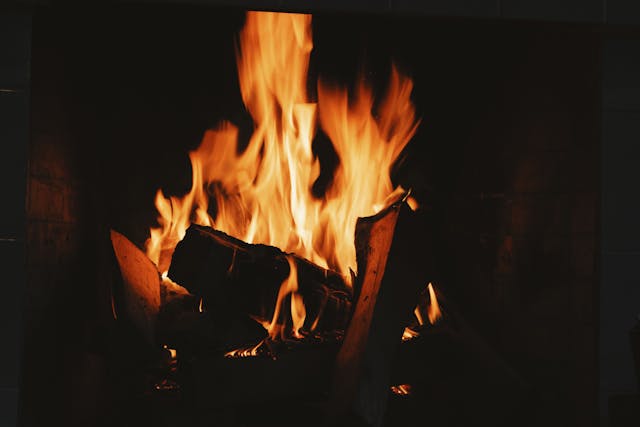
Lohri in Punjab & Haryana: Where Winter Ends in Firelight (January 13)
For travellers, Lohri is best experienced in the villages and small towns of Punjab and Haryana. As dusk falls, bonfires are lit in open fields and neighbourhood squares. Locals gather to offer sesame seeds, jaggery, peanuts, and sugarcane into the fire, thanking nature for the wheat harvest.
The air fills with folk songs and the energetic beats of Bhangra and Gidda. Traditional foods like makki di roti, sarson da saag, gajjak, and rewri are shared generously. Visitors are often welcomed into celebrations, making Lohri a warm introduction to north Indian hospitality.
Travel tip: Stay in a rural homestay near Amritsar or Ludhiana to experience authentic Lohri celebrations away from commercial crowds.
Makar Sankranti Across India: Following the Sun’s Northward Journey (January 14)
Unlike most Indian festivals, Makar Sankranti follows the solar calendar, making it one of the few festivals celebrated on nearly the same date each year. It marks the Sun’s entry into Capricorn (Makara Rashi) and the beginning of Uttarayan, symbolising longer days, positive energy, and renewal.
Gujarat: The Sky Comes Alive with Kites
In Ahmedabad, Sankranti transforms into the famous Uttarayan Kite Festival. Rooftops become gathering spaces, and the sky fills with thousands of colourful kites. The atmosphere is festive yet communal, with neighbours sharing snacks like fafda, jalebi, and undhiyu.
For travellers, Gujarat offers a perfect blend of celebration, cuisine, and winter sunshine.
Andhra Pradesh & Telangana: Rural Traditions and Festival Sports
In Andhra Pradesh and Telangana, Sankranti is known as Pedda Panduga and is celebrated over several days—Bhogi, Sankranti, and Kanuma. Rural areas come alive with decorated cattle, rangoli designs, and community feasts.
Traditional sports play a significant role here. Cockfighting, historically associated with Sankranti in some villages, has been a part of local festive gatherings. While now surrounded by legal and ethical discussions, its cultural presence reflects how harvest festivals once doubled as major community events.
Travel tip: Visit villages near Vijayawada or Rajahmundry to witness authentic rural celebrations and riverside rituals along the Krishna and Godavari.
Pongal in Tamil Nadu: Gratitude in Every Grain (January 14–17)
In Tamil Nadu, Sankranti takes the form of Pongal, a four-day festival that is deeply personal and agricultural in nature. Unlike grand public spectacles, Pongal unfolds within homes, farms, and temple courtyards.
The highlight for travellers is Thai Pongal, when freshly harvested rice is cooked outdoors with milk and jaggery, allowed to overflow as a sign of abundance. Streets are decorated with intricate kolams, and villages slow down into a rhythm of gratitude and togetherness.
Mattu Pongal and Jallikattu
On Mattu Pongal, cattle are honoured for their role in farming. In districts like Madurai, Alanganallur, and Palamedu, the traditional bull-taming sport Jallikattu draws visitors from across the country. For travellers, it offers insight into Tamil Nadu’s rural identity, strength, and deep respect for animals.
Odisha: Makara Sankranti with Quiet Spirituality
In Odisha, Makara Sankranti is observed with devotion rather than spectacle. The festival is closely associated with the preparation of Makara Chaula, a special offering made of uncooked rice, jaggery, banana, coconut, sesame, and milk, offered to the deities.
Pilgrims and travellers visit temples and riverbanks, particularly in Puri, Cuttack, and along the Mahanadi, to take ritual baths and offer prayers. The festival highlights Odisha’s understated but deeply spiritual approach to harvest celebrations.
Travel tip: Pair Sankranti celebrations with a visit to the Jagannath Temple in Puri or explore Odisha’s rural heartland for a slower, reflective experience.
Why January Harvest Festivals Are Perfect for Travel
What makes these festivals special for travellers is their authenticity. They are not staged performances but lived traditions rooted in daily life. January weather is comfortable, food is seasonal and fresh, and communities are naturally welcoming.
From flying kites on Gujarati rooftops and sharing Pongal in Tamil courtyards to warming your hands by a Lohri bonfire and offering Makara Chaula in Odisha, these festivals allow travellers to experience India beyond monuments and museums.
A Journey of Light, Land, and Life
India’s January harvest festivals are a journey—one that follows the Sun’s northward path and the farmer’s seasonal rhythm. They celebrate hard work, nature’s generosity, and human connection. For travellers, they offer something rare: the chance to not just observe culture, but live it.
As winter recedes and the land rests after harvest, these festivals remind us that travel, like celebration, is at its best when shared.