
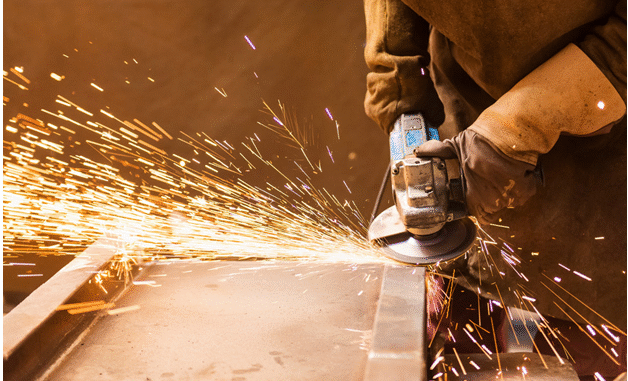

Industrial work settings keep our world running, from manufacturing plants to metal fabrication shops and large distribution centers. While the work itself is essential, the environment can place real strain on the people doing it every day. Loud machinery, airborne particles, physical demands, and fast-paced workflows all affect worker health if they are not managed properly. Protecting employees is not only about meeting regulations. It is about creating a culture where people feel supported, safe, and confident in their workspace. When health and safety are prioritized, workers perform better, morale improves, and businesses see fewer disruptions.
The Role of Accessible Medical Care
Even with strong safety programs in place, injuries and illnesses can still happen in industrial environments. Small cuts, strains, or breathing issues may not feel serious at first, but ignoring them can lead to larger problems. Many workers appreciate having quick medical options available that do not involve long waits or missed shifts. Over the past year, urgent care centers have become a common choice for handling non-life-threatening workplace concerns, especially when something needs to be checked quickly. According to the Urgent Care Association, 26.5% of adults have visited an urgent care facility within the past year, which shows how often people rely on these clinics for timely care. Easy access to medical attention helps workers recover faster and return safely.
Equipment Performance and Air Quality Awareness
Industrial operations rely heavily on equipment that must function correctly to keep workers safe. Air-powered tools and dispensing systems are a good example. When air pressure levels are not properly maintained, tools may fail, leak, or operate unpredictably, increasing the risk of accidents. In many facilities, compressed air systems play a quiet but critical role in daily tasks. According to Spray Equipment and Service Center, air pressure is another factor to consider; dispense valves often require a minimum air pressure of 70-80 psi in order to function properly. Regular inspections, clear pressure guidelines, and routine maintenance help ensure equipment runs smoothly while reducing strain and exposure for workers.
Safety Training as a Foundation
A strong safety culture starts with education. Workers need more than just rules posted on the wall. They need hands-on training that explains why safety steps matter and how to apply them in real situations. In metal fabrication and similar industries, training often goes beyond basic orientation and becomes part of an ongoing quality process. According to Southern Metal Fabrications, a reputable metal fabricator will include safety training as part of their documented quality control program. This safety training may include properly using PPE, such as 3M masks with welder hoods, which protect against fumes and debris. Consistent training builds confidence, reduces errors, and shows employees that their health is a priority.
Creating a Supportive Safety Culture
Policies and equipment alone are not enough to protect worker health. Culture plays a huge role. When leadership takes safety seriously, employees are more likely to do the same. Open communication, regular check-ins, and visible commitment from management help reinforce good habits. Recognizing safe behavior and addressing hazards quickly builds trust across teams. A workplace where people look out for each other feels less stressful and more secure. Over time, this kind of environment leads to fewer incidents, lower turnover, and stronger overall performance.
Protecting worker health in industrial work settings requires attention to both people and processes. From accessible medical care and properly maintained equipment to thorough training and ergonomic support, every detail adds up. When businesses focus on prevention and education, workers feel valued and protected. A strong safety culture does more than reduce injuries. It builds confidence, improves morale, and supports long-term success.