

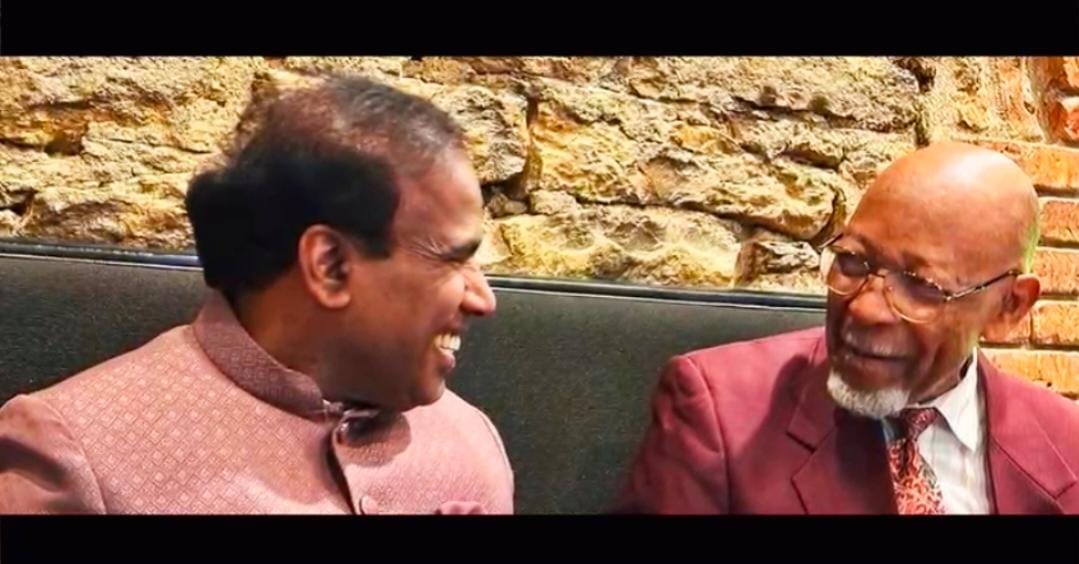
United States / India, Jan 19: Humanitarian leader and global peace advocate Dr. K. A. Paul addressed members of the Kansas State Senate during a special session highlighting the need for renewed global efforts toward peace, conflict resolution, and responsible international leadership.
The address marked a rare instance of an Indian private citizen engaging directly with U.S. state lawmakers on issues of global concern. Dr paul said that the U S and India have responsibilty to stop the 58 major wars in the world.
In his remarks, Dr. Paul urged American leaders to prioritise diplomacy and humanitarian values while addressing ongoing conflicts worldwide. He emphasised the heavy human and economic costs of prolonged wars and called on policymakers to draw lessons from past military interventions when shaping future foreign policy decisions.

Introducing Dr. Paul, Senate Chaplain Dr Cecil Washington the leader of U S chaplains acknowledged his decades-long global outreach and humanitarian work, noting his engagement with leaders and communities across multiple continents in pursuit of peace and reconciliation.
During the discussion, Dr. Paul spoke about the importance of dialogue and restraint in several global flashpoints, including Eastern Europe, the Middle East, and Latin America. He appealed for prayers and collective international action to reduce tensions and prevent further loss of life.
At the same time, Dr. Paul commended the United States for its extensive humanitarian and charitable contributions worldwide, encouraging lawmakers to continue supporting vulnerable populations through constructive global engagement rather than conflict-driven approaches.
Concluding his address, Dr. Paul stressed the strategic importance of closer cooperation between India and the United States, stating that stronger ties between the two democracies are vital in responding to emerging geopolitical and security challenges.
The interaction drew bipartisan attention from lawmakers, with participants engaging with the broader themes of peace, accountability, and international collaboration raised during the address.