
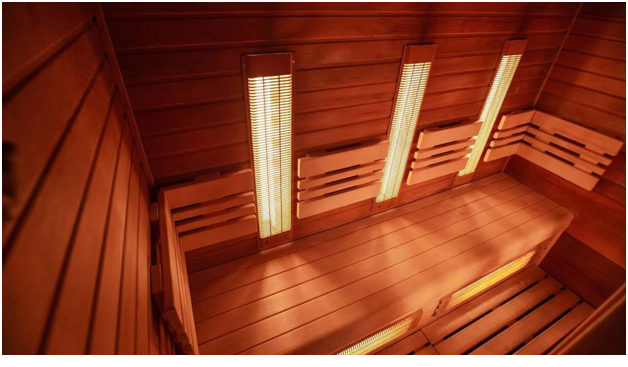

Homeowners today are eager to find environmentally responsible ways to live that don’t compromise their comfort or quality of life. The challenge lies in finding solutions that deliver both luxury and sustainability. Infrared saunas, a wellness technology, are quietly revolutionizing how people think about home relaxation while staying true to eco-friendly principles.
Traditional saunas rely on steaming hot air to warm you, whereas infrared saunas penetrate your body with infrared rays, providing heat from within. This fundamental difference creates a ripple effect of benefits that align perfectly with the goals of green living.
For anyone building or upgrading to an energy-efficient home, these units deserve serious consideration.
Understanding the Energy Advantage
Traditional saunas operate at temperatures between 150-195°F and require substantial energy to heat the entire room. They’re essentially creating a hot box that needs constant power to maintain those extreme temperatures. The heating elements work overtime, and the insulated space demands significant electricity or gas to keep things running.
Infrared saunas flip this approach on its head. Operating at lower temperatures, usually between 120-140°F, they accomplish the same deep-tissue warming and sweating benefits through direct heat transfer. It’s similar to the difference between feeling the heat of a campfire on your skin and trying to heat an entire cabin. The targeted approach simply makes more sense from an energy standpoint.
The numbers tell an interesting story when comparing the two:
- Traditional saunas consume 6-8 kilowatts of power per session, requiring extreme temperatures and constant energy to heat the entire room.
- Infrared saunas operate on just 1.5-2 kilowatts, delivering the same wellness benefits through direct heat transfer. Energy usage drops by nearly 75% without shortening the time of operation.
Over weeks, months, and years, those savings add up significantly on utility bills and environmental impact. The difference becomes even more pronounced for households that use their sauna regularly, transforming what could be an energy drain into a reasonable addition to the home’s power consumption.
Quick Heat-Up Times Mean Less Waste
Nobody wants to wait around for 30-40 minutes while their sauna preheats. Traditional units require this lengthy warm-up period to reach optimal temperature, and that’s 30-40 minutes of pure energy consumption before anyone even steps inside.
Infrared saunas reach their operating temperature in about 10-15 minutes. Some models are ready in as little as five minutes. This rapid heating means less energy wasted during the preparation phase and more flexibility for spontaneous wellness sessions. For busy households, this time efficiency translates directly into energy efficiency.
The quick heat-up also means the sauna can be turned off immediately after use without worrying about a long cool-down period. There’s no residual heat that needs managing or venting, which further reduces the overall energy footprint of each session.
Lower Operating Temperatures, Higher Comfort
Heat therapy doesn’t require extreme temperatures to be effective. The human body responds beautifully to the gentle, penetrating warmth of infrared technology. Because the heat reaches deeper into tissues at lower ambient temperatures, users achieve the same therapeutic benefits without the sometimes-overwhelming intensity of traditional saunas.
This lower temperature requirement serves multiple purposes. From an energy perspective, maintaining 130°F requires substantially less power than maintaining 180°F. The laws of thermodynamics work in favor of efficiency here. Additionally, the ventilation and cooling requirements for the surrounding space are reduced, which means less strain on home HVAC systems.
For those new to sauna use, the milder temperatures also mean a gentler introduction to wellness routines. The experience feels less extreme while still delivering cardiovascular benefits, detoxification through sweating, and muscle relaxation.
Integration with Green Home Systems
Modern green homes often incorporate solar panels, smart energy management systems, and efficient appliances. Infrared saunas complement these features beautifully. Thanks to their modest energy requirements, they can run efficiently on a solar-powered home’s capacity without straining the system.
Many homeowners with solar installations find that running an infrared sauna during peak sunlight hours allows them to use self-generated electricity for their wellness routines. This creates a truly sustainable loop, capturing energy from the sun and using it for personal health benefits without touching the grid.
Smart home integration takes this a step further. Modern infrared saunas can connect to home automation systems, allowing for scheduled heating that coincides with off-peak energy rates or maximum solar production. The sauna can preheat right before use and shut down automatically afterward, ensuring zero energy waste from forgotten switches or unnecessary extended operation.
Space Efficiency Equals Resource Efficiency
Traditional saunas require dedicated space, extensive insulation, proper ventilation systems, and significant construction materials. Building one often means renovating a section of the home or constructing an outdoor structure. The embodied energy in all those materials and the construction process itself creates a substantial environmental cost before the first use.
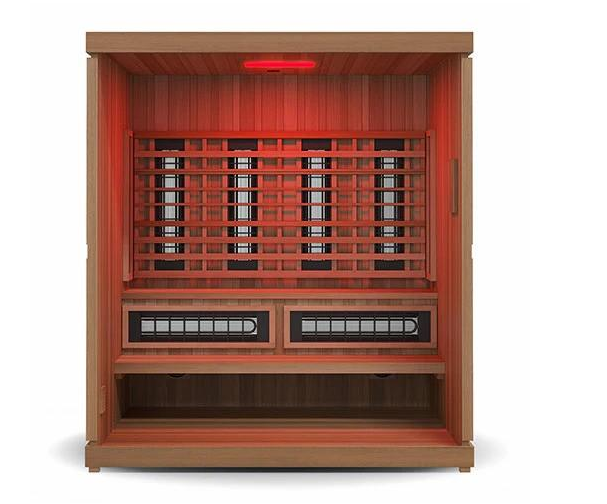
Infrared saunas offer remarkable flexibility. Many models are portable or semi-permanent, requiring minimal installation. Some fit in a corner of a bedroom, bathroom, or basement. This reduced spatial footprint means fewer building materials, less disruption to existing home structures, and the ability to take the unit along during a move, extending its useful life and reducing waste.
The smaller enclosed space also means less air volume to heat, which circles back to energy efficiency. Heating a 3×3-foot personal sauna cabin requires less energy than a traditional 6×8-foot sauna room, even accounting for the different heating methods.
Durability and Maintenance Considerations
Green living considers the entire lifecycle of products, not just their immediate energy consumption. When evaluating wellness equipment for a sustainable home, durability and maintenance requirements play a crucial role in the overall environmental impact.
Built to Last
Infrared saunas offer impressive longevity that aligns with green principles:
- Carbon or ceramic heating panels usually last 20+ years with proper care
- No complex mechanical systems that could break down or require specialist repairs
- No water elements to corrode internal components
- Lower operating temperatures mean less material degradation over time
Minimal Upkeep Required
The maintenance demands are refreshingly simple. Occasional cleaning and periodic checks of electrical connections cover most of what’s needed. This simplicity translates to practical benefits — less frequent replacement cycles, fewer units ending up in landfills, and better resource utilization over time. The total cost of ownership, both financially and environmentally, becomes quite favorable.
Traditional Saunas: A Different Story
Traditional saunas, while durable, require more intensive care. The heating elements are exposed to extreme conditions and may need to be replaced every few years. Wood interiors demand regular treatment to prevent degradation from moisture and heat exposure. Ventilation systems need monitoring and servicing to maintain safety and efficiency. Each maintenance activity carries its own environmental and financial cost that accumulates over the unit’s lifetime.
The Wellness Multiplier Effect
When discussing green homes, the conversation usually focuses on insulation, appliances, and renewable energy. However, true sustainability includes human health and well-being. A home that supports physical and mental health reduces the need for medical interventions, pharmaceutical use, and the environmental impacts associated with healthcare systems.
Consistent sauna sessions can positively impact overall well-being, supporting heart function, promoting restful sleep, easing tension, and helping the body bounce back after exercise. By incorporating an energy-efficient wellness tool directly into the home, residents gain consistent access to these benefits without driving to gyms or spas. The reduction in transportation emissions, while difficult to quantify precisely, contributes to the overall green profile of the household.
Incorporating heat therapy into daily routines allows for personal wellness that goes hand in hand with environmentally conscious living. The two goals support each other rather than competing for resources or priorities.
Making the Green Choice
For homeowners committed to reducing environmental impact, every decision matters. Choosing wellness amenities that align with sustainability values demonstrates that luxury and responsibility can coexist. Infrared saunas represent a sweet spot in this balance, delivering premium health benefits while operating within the constraints of thoughtful energy consumption.
The technology has matured to the point where quality, efficiency, and affordability intersect. Modern units incorporate low-EMF shielding, sustainable wood sourcing, and energy-star-level efficiency. They’re designed with the understanding that today’s consumers want both performance and environmental responsibility.
As green building standards continue to evolve and more homes push toward net-zero energy consumption, having amenities that support rather than undermine these goals becomes essential.
Combining self-care with eco-conscious design, infrared saunas are a natural choice for homeowners who value both health and the planet.
Author Bio
Mark Adams is the resident sauna expert at SaunaHeaters.com, where he shares practical tips and advice on sauna heaters, maintenance, and wellness. He firmly believes that life’s best moments happen somewhere between a good steam and an ice-cold plunge.