
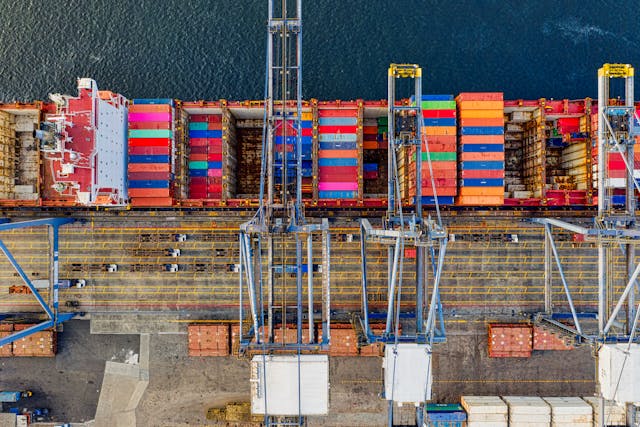

India has secured one of its most consequential trade wins in recent years with the India–U.S. Bilateral Trade Agreement, unlocking preferential access to a USD 30-trillion American market. More than a tariff-cut exercise, the agreement reshapes India’s export competitiveness across manufacturing, agriculture, technology and labour-intensive sectors.
At a time when global trade is fragmented and protectionist barriers are rising, the deal gives India something rare: lower tariffs, zero-duty access in key categories, and a pricing advantage over global competitors—without compromising national interests.
Why This Agreement Matters
In 2024, India exported USD 86.35 billion worth of goods to the U.S. Many of these exports faced steep tariffs of up to 50 percent, limiting scale and margins. The new framework reduces these barriers dramatically, with large portions of Indian exports now entering the U.S. market at 18 percent duty or zero duty.
Crucially, India gains preferential treatment while competing exporters continue to face higher tariffs—giving Indian goods a built-in competitive advantage.
Sector-Wise Analysis: Who Gains and How
1. Gems & Jewellery: India’s Biggest Winner
The gems and jewellery sector stands out as one of the largest beneficiaries.
-
Tariffs cut from 50% to 18%
-
Zero-duty access for diamonds, platinum and coins
-
Preferential entry into a USD 61-billion U.S. market
India’s strength in cut and polished diamonds, lab-grown stones and precious metal jewellery now aligns with strong U.S. consumer demand. The sector, which supports millions of jobs, is poised for higher exports, better margins and stronger global branding.
Impact: Higher export volumes, job growth, leadership in high-value luxury segments.
2. Textiles & Apparel: Jobs, Scale and Global Reach
Textiles receive a major boost with tariff reductions from 50% to 18%, and zero-duty access for silk.
-
Access to a USD 113-billion U.S. textile market
-
Benefits for garments, home textiles, carpets, yarn and babywear
Given the sector’s labour-intensive nature, improved market access is expected to strengthen MSMEs, clusters and employment across cotton, man-made fibre and value-added segments.
Impact: Export growth, rural and semi-urban employment, stronger global supply-chain integration.
3. Leather & Footwear: Competitive Re-Entry
India’s leather and footwear industry gains improved access to a USD 42-billion U.S. market.
-
Tariffs reduced from 50% to 18%
-
Boost for finished leather, footwear and components
Lower tariffs restore India’s competitiveness against Asian peers and support manufacturing clusters known for skilled craftsmanship.
Impact: Manufacturing revival, MSME expansion, export diversification.
4. Home Décor & Furnishings: Design Meets Demand
Home décor exports benefit from tariff cuts to 18%, with zero-duty access for select categories.
-
U.S. market size: USD 52 billion
-
Products include furniture, cushions, quilts, lamps and lighting
India’s artisanal strengths combined with mass-market manufacturing now find a stronger foothold in U.S. homes.
Impact: Higher exports, artisan livelihoods, value-added manufacturing.
5. Toys: A Rising Export Opportunity
Toy exports see tariffs reduced to 18%, opening access to a USD 18-billion U.S. market.
With rising quality standards and domestic capacity, Indian manufacturers—especially MSMEs—can now scale exports and integrate into global supply chains.
Impact: MSME growth, reduced import dependence, brand “Made in India” visibility.
6. Machinery & Industrial Goods: Powering Manufacturing
Machinery and parts gain entry into a massive USD 477-billion U.S. market, with tariffs cut to 18%.
Though India’s current exports are modest, the agreement supports the country’s push toward high-value manufacturing and industrial exports.
Impact: Industrial upgrading, global market entry, long-term export growth.
7. Agriculture: Growth with Protection
India secures zero additional duty access for USD 1.36 billion in agricultural exports, covering:
-
Spices, tea, coffee
-
Fruits, nuts and processed foods
-
Oils and plant-based products
At the same time, highly sensitive sectors such as dairy, meat, cereals and GM foods remain protected, ensuring farmer livelihoods and food security.
Impact: Export stability without domestic disruption.
8. Digital Trade & Technology: Future-Ready Gains
The agreement strengthens cooperation in digital trade, semiconductors, AI and data infrastructure.
-
Better access to advanced chips and computing hardware
-
Lower regulatory friction for digital services
-
Increased scope for U.S. investment in India’s tech ecosystem
With India among the world’s top exporters of digital services, this creates momentum in IT, fintech, AI and start-ups.
Impact: Innovation growth, SME participation, digital leadership.
What Sets This Deal Apart
Unlike one-sided liberalisation, the agreement follows a calibrated, sector-sensitive approach:
-
Phased tariff reductions
-
Quota-based access for sensitive goods
-
Strong safeguards for farmers and MSMEs
This balance ensures growth without undermining domestic capability.
The Bigger Picture
The India–U.S. trade agreement is not just about numbers—it is about positioning India as a preferred global supplier in a world seeking reliable, diversified supply chains.
By combining market access with protection, the deal strengthens exports, supports jobs and deepens India’s integration into the global economy.
This agreement marks a shift from opportunity to advantage.
For India, the door to the U.S. market is not just open—it’s open on better terms.