
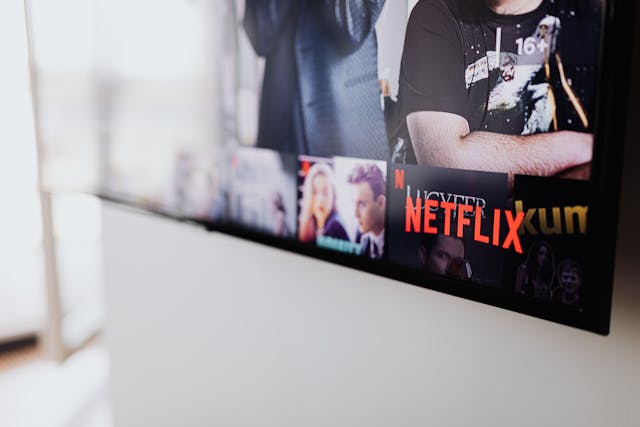

Once defined by opening weekend box office numbers and blockbuster ticket sales, the concept of a “hit” in cinema has undergone a radical transformation. With the rise of streaming platforms, the entertainment industry has shifted its focus from short‑lived theatrical triumphs to long‑term audience engagement, data‑led success metrics, and subscriber loyalty. In the post‑pandemic era, services such as Netflix, Disney+, and Amazon Prime Video are no longer just alternatives to theaters—they are central to how films are produced, distributed, and consumed worldwide.
New Metrics of Success in the Streaming Era
Streaming services have moved the goalposts for what constitutes success. Rather than counting box office receipts over a single weekend, platforms now measure performance based on:
1. Total Viewing Time
Success is increasingly defined by how long a film or series holds viewer attention. Total hours watched gives platforms insight into sustained audience engagement.
2. Subscriber Acquisition and Retention
A more meaningful measure of value is how content affects subscription behavior—whether it attracts new users or keeps existing ones subscribed. Reducing churn is now a priority for streaming business models.
3. Completion Rates
Viewership that watches a title from beginning to end demonstrates engagement far more reliably than initial clicks alone.
4. Long‑Tail Discoverability
Unlike short theatrical windows, streaming allows content to be discovered over months or even years. Underperformers can find dedicated audiences long after initial release.
5. Cultural Impact
Today’s success also includes social media buzz, awards recognition, and participation in pop culture conversation—often driving a title’s long‑term relevance.
How Streaming Changed Business Models
Streaming platforms have disrupted traditional exhibition economics by adopting models that prioritize accessibility, personalization, and data optimization:
Direct‑to‑Consumer Models
By circumventing the traditional revenue split with theaters, streamers can retain more income—if they can convert viewership into subscription growth.
Hybrid Release Strategies
Theatrical windows have shortened dramatically. Studios now launch films simultaneously in theaters and on streaming platforms, merging the prestige of cinema with the convenience of home viewing.
AI‑Driven Content Choices
Streaming services leverage data analytics and artificial intelligence to tailor content development. These systems predict what themes, genres, and even talent will resonate with niche audiences—leading to more targeted, less generic content.
Content and Creative Impact
The rise of streaming has not only changed how films are released—it has reshaped what kinds of films get made:
Mid‑Budget Films Thrive
Whereas big studios once focused almost exclusively on tentpole blockbusters, streaming platforms have renewed interest in mid‑budget, story‑driven films that might struggle at the traditional box office.
Global Reach from Day One
Streaming allows films from local or regional markets to reach global audiences instantly. Movies created in one country can become international phenomena without the traditional layers of theatrical distribution.
“Streaming First” Approaches
Studios now design titles with both theatrical spectacle and long‑term streaming life in mind. Content is conceived not just for opening weekend impact, but for sustained engagement.
Beyond the Numbers: Real Industry Transformation
The COVID‑19 pandemic accelerated this shift. According to data from the Motion Picture Association, global streaming subscriptions surged, while box office revenue experienced dramatic declines due to theater closures. As lockdowns pushed audiences into digital spaces, streaming quickly became the dominant method of consuming films—a trend that continues today.
Today’s audiences expect instant access to entertainment anywhere, on any device. This convenience has led to fundamental changes in consumer behavior, with viewers increasingly choosing flexibility over traditional cinema experiences. Streaming platforms use sophisticated recommendation engines to personalize content discovery, making film consumption effortless and tailored.
Challenges in the Streaming Revolution
Despite its advantages, this evolution comes with complex challenges:
Lack of Data Transparency
Unlike public box office figures, streaming platforms often keep viewership data private. This makes it harder for industry analysts, filmmakers, and audiences to understand the true scale of a title’s success.
Perception vs. Impact
High social media buzz does not always translate to subscriber growth, leading to a disconnect between cultural perception and business success.
Subscription Saturation
As more platforms enter the market, competition for subscriptions intensifies. Many services have introduced lower‑cost, ad‑supported tiers to attract and retain users, highlighting the difficulty of sustaining perpetual growth.
Pressure on Traditional Cinemas
The ease and affordability of streaming have challenged cinema attendance, leading to closures of long‑standing theaters and affecting the social culture of movie‑going.