
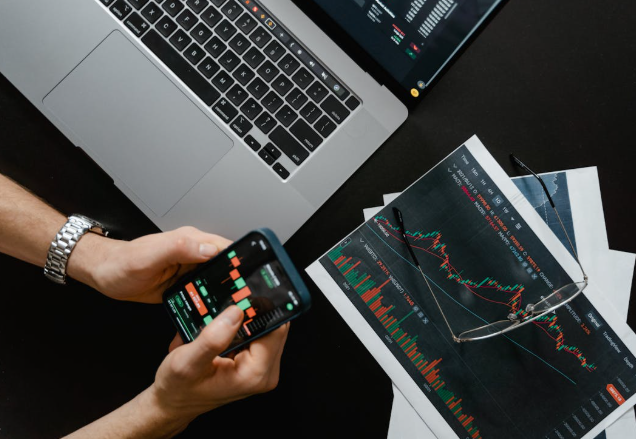

India’s retail trading landscape has changed dramatically over the past decade. What was once a niche pursuit limited to a small circle of market enthusiasts has evolved into a mainstream financial activity. With affordable internet access, intuitive trading apps, and a new generation eager to explore financial independence, participation in the stock and derivatives markets has surged.
At the same time, Indian traders are looking beyond domestic exchanges. They are exploring forex, commodities, and global indices. In that search for broader opportunity, global proprietary trading platforms have entered the conversation. More traders are discovering what it means to trade with a prop firm and why that model is gaining traction in India.
This shift is not accidental. It is rooted in economic realities, technological progress, and a changing mindset about risk and opportunity.
The Rise of Retail Trading in India
The growth of retail trading in India has been fueled by several converging factors. First, access to trading platforms has become seamless. Discount brokerages have lowered barriers to entry, making it possible to open accounts quickly and trade with minimal capital.
Second, the pandemic period played a major role. As people spent more time at home and traditional income sources became uncertain, many explored alternative ways to earn. Trading became one of those avenues. Social media amplified the trend, with influencers, educators, and trading communities creating a culture around financial markets.
Third, there is a demographic advantage. India has one of the youngest populations in the world. This generation is digitally native, comfortable with apps and online platforms, and willing to experiment. They are also more open to unconventional career paths. Trading, freelancing, and online entrepreneurship are no longer fringe ideas.
As confidence grew in domestic markets, curiosity naturally expanded toward international ones.
Why Global Markets Appeal to Indian Traders
Indian traders often begin with equities and derivatives listed on NSE and BSE. Over time, many realize that global markets offer distinct advantages.
The forex market operates around the clock for five days a week. U.S. indices such as the S&P 500 and Nasdaq provide exposure to some of the world’s most influential companies. Commodities like gold and crude oil are closely tied to global economic events.
Trading global instruments allows for diversification. It also offers opportunities during time windows that may not align with Indian market hours. For traders seeking flexibility, especially those balancing jobs or studies, this can be attractive.
However, accessing international markets independently can present challenges. Regulatory limitations, capital requirements, and cross-border brokerage complexities may discourage some participants. That is where proprietary trading platforms enter the picture.
Understanding the Proprietary Trading Model
A proprietary trading platform, commonly known as a prop firm, operates on a relatively straightforward idea. Instead of traders risking only their own capital, they trade using the firm’s funds. In return, profits are shared according to a pre-agreed structure.
Typically, traders undergo an evaluation phase. They must demonstrate consistent performance and risk management within defined parameters. If they pass, they gain access to a funded account. The firm benefits when traders generate profits, and traders gain leverage without committing large personal capital.
For Indian traders who may not have substantial savings to allocate to trading, this model can be appealing. It shifts the primary capital burden away from the individual while maintaining performance accountability.
Why the Prop Firm Model Resonates in India
Several factors explain why this concept is gaining ground among Indian traders.
1. Limited Personal Capital
Many aspiring traders in India are students or young professionals. They may not have the financial cushion required to trade significant position sizes. Even experienced traders often prefer not to risk a large portion of personal savings.
By participating in a prop firm program, they can access larger capital pools. This creates the potential for meaningful returns without the psychological strain of risking life savings.
2. Risk Management Discipline
Indian retail markets have witnessed episodes of over-leveraging and speculative behavior. The proprietary trading model enforces strict risk parameters. Maximum daily loss limits, drawdown thresholds, and consistency rules are built into the system.
While these constraints can feel restrictive, they also encourage discipline. For traders who struggle with emotional decision-making, the structure provided by a global prop firm can help instill better habits.
3. Global Exposure
Trading under a proprietary setup often means access to global instruments, including forex pairs, commodities, and indices. For Indian traders eager to diversify beyond local stocks and options, this exposure is compelling.
It also broadens learning opportunities. Global macroeconomic events, central bank decisions, and geopolitical developments become directly relevant to trading performance. Over time, this cultivates a more comprehensive understanding of financial markets.
4. Performance-Based Advancement
The idea that advancement is tied to measurable results resonates with many young Indians. Rather than relying on traditional job hierarchies, traders can scale their capital allocation by proving consistency.
This merit-based progression appeals to a generation that values skill development and autonomy.
The Role of Technology and Digital Infrastructure
The growth of global prop trading interest would not be possible without robust technology. India’s digital transformation has laid the groundwork.
High-speed internet is widely available in urban and semi-urban areas. Smartphones are affordable. Trading platforms are increasingly intuitive and mobile-friendly.
Payment gateways and online financial services have also matured. Indian users are comfortable transacting online, subscribing to services, and navigating digital verification processes.
Global proprietary platforms have capitalized on this readiness. They provide streamlined onboarding, educational dashboards, and performance analytics. For digitally fluent Indian traders, these tools feel natural.
Education and the Shift Toward Professionalism
In the early days of retail trading expansion, much of the activity was speculative. Quick profits and viral success stories created unrealistic expectations.
Over time, however, the conversation has matured. There is growing awareness that trading requires strategy, discipline, and risk management. YouTube channels, online academies, and community forums now emphasize structured learning.
Global proprietary platforms often reinforce this professionalism. Their evaluation processes require traders to demonstrate consistency rather than a single lucky win. This approach aligns with the broader shift in India toward viewing trading as a skill-based pursuit rather than a gamble.
Many traders now invest months in backtesting, journaling, and refining strategies before attempting a funding challenge. That cultural shift is significant.
Regulatory Considerations and Caution
India’s regulatory environment around forex and international trading is complex. Residents must comply with foreign exchange regulations and guidelines set by the Reserve Bank of India.
As interest in global proprietary platforms grows, traders must remain cautious. Not all platforms operate with the same level of transparency. Some may offer unrealistic promises or unclear payout structures.
This is an area where due diligence becomes essential. Indian traders increasingly share reviews, experiences, and comparisons across online communities. Collective knowledge helps filter credible platforms from questionable ones.
The rise in interest has also sparked conversations about how domestic regulations might evolve to accommodate global trading participation in a compliant manner.
Cultural Shifts Driving Financial Independence
India’s economic narrative has traditionally emphasized stable employment. Government jobs, engineering roles, and corporate positions were seen as the most secure paths.
That perception is changing. While stability still matters, younger generations are exploring multiple income streams. Side hustles, freelancing, digital content creation, and trading are part of that ecosystem.
Proprietary trading fits into this evolving mindset. It offers a pathway that is performance-driven and location-independent. Traders can operate from anywhere with an internet connection. For a country with diverse geography and varying employment opportunities, this flexibility is attractive.
The aspiration for financial independence also plays a role. Many traders are not necessarily seeking to quit traditional careers immediately. Instead, they see trading as a supplementary avenue that could, over time, grow into something larger.
The Psychological Appeal of Structured Opportunity
Trading with personal capital can be emotionally intense. Losses feel personal and heavy. Gains may lead to overconfidence.
The proprietary model introduces a buffer. While traders are still accountable for performance, they are not risking rent money or family savings. This psychological separation can reduce pressure.
At the same time, evaluation challenges create a clear target. Rather than trading aimlessly, participants work toward defined goals. The process feels structured and professional.
For ambitious Indian traders, this combination of opportunity and structure is compelling.
Challenges and Misconceptions
Despite growing interest, misconceptions remain.
Some view proprietary trading as a shortcut to easy money. That assumption quickly dissolves when confronted with strict risk rules and consistency requirements. Passing an evaluation often demands patience and discipline.
Others underestimate the importance of strategy. Simply having access to larger capital does not guarantee profitability. Without a tested system and strong emotional control, traders can fail challenges repeatedly.
There is also the question of sustainability. Not every trader who secures funding maintains long-term consistency. Markets evolve, and strategies require adaptation.
These realities underscore the need for realistic expectations. The growth of interest in global prop trading among Indian traders is promising, but it must be grounded in education and responsibility.
The Community Effect
Indian traders are increasingly forming online communities dedicated to proprietary trading discussions. Telegram groups, Discord servers, and YouTube comment sections buzz with strategy talk, evaluation updates, and payout screenshots.
This peer interaction reinforces motivation. Seeing others succeed makes the goal feel attainable. At the same time, collective learning helps newcomers avoid common mistakes.
Community-driven knowledge sharing accelerates the learning curve. It also fosters accountability. Traders often publicly document their progress, which adds a layer of commitment.
As this ecosystem matures, it strengthens India’s position as a significant participant in the global proprietary trading space.
Economic Implications for the Future
The broader implications of India’s growing interest in global prop trading are worth considering.
If a substantial number of skilled traders emerge from India, it could influence the global proprietary trading landscape. Firms may tailor services, support, and educational content specifically for Indian participants.
This could also encourage domestic innovation. Indian entrepreneurs might develop localized proprietary trading platforms that align with regulatory frameworks and cultural preferences.
Moreover, increased participation in global markets fosters financial literacy. Traders who study macroeconomics, currency flows, and international policy decisions develop a deeper understanding of global economic dynamics.
That knowledge extends beyond trading. It shapes investment decisions, business strategies, and even career choices.
A Measured Path Forward
India’s engagement with global proprietary trading platforms reflects broader societal shifts. It signals confidence in digital infrastructure, a hunger for opportunity, and a willingness to compete on an international stage.
At the same time, growth must be balanced with responsibility. Education, regulatory awareness, and realistic expectations are critical. Traders who approach proprietary opportunities with preparation and discipline are more likely to thrive.
The appeal of trading with funded capital is undeniable. For many Indian participants, it represents a chance to test their skills without excessive financial exposure. For the most disciplined, it may evolve into a meaningful income stream.
The trajectory suggests that interest will continue to rise. As more traders share experiences and refine strategies, the ecosystem will become more sophisticated.
India has always been a nation of entrepreneurs, problem-solvers, and risk-takers. In the digital age, those qualities are finding new expression in global financial markets. Proprietary trading platforms are simply the latest frontier in that journey.
What began as curiosity is turning into a structured pursuit. For a growing number of Indian traders, the world’s markets no longer feel distant. They are accessible, dynamic, and full of possibility.