
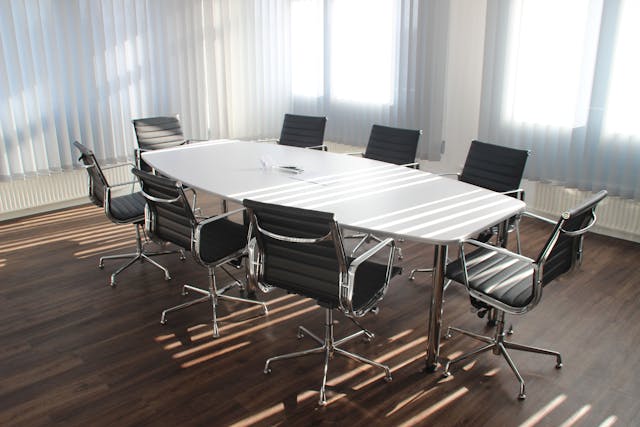

As workplaces continue to evolve, office interior design in 2025–2026 is undergoing a dramatic transformation. Companies are shifting from purely functional layouts to human-centric spaces that balance comfort, productivity, and sustainability. The modern office now resembles a curated home environment, with biophilic elements, flexible furniture, and smart technologies designed to enhance employee experience.
Whether you are a corporate planner, an interior designer, or a business owner, understanding these trends is key to creating workspaces that inspire creativity, encourage collaboration, and foster overall well-being.
Resimercial Design: Bringing Home Comforts to Work
The concept of “resimercial” design—blending residential comforts with office functionality—is gaining significant traction. Offices now feature cozy breakout zones, soft lounge seating, warm lighting, and casual furniture that mimic the comfort of home. This approach helps reduce workplace stress, encourages informal collaboration, and creates environments where employees feel more relaxed and engaged.
By integrating elements like plush chairs, rugs, and ambient lighting, organizations are fostering a sense of belonging and comfort, while subtly improving productivity and morale.
Biophilic Workspaces: Nature as a Productivity Booster
Biophilic design, which brings natural elements indoors, is becoming central to modern office interiors. Incorporating green walls, indoor plants, natural wood finishes, and ample daylight not only creates visually appealing spaces but also improves air quality, reduces stress, and enhances focus.
These “alive” workspaces are more than decoration—they directly contribute to employee health and satisfaction. Employees report higher levels of engagement and lower stress when exposed to natural textures and greenery, making biophilic design a strategic investment for companies.
Flexible and Modular Layouts
Flexibility is a cornerstone of modern office design. Modular furniture, moveable partitions, and multi-functional workstations allow spaces to adapt to team sizes, project needs, or hybrid work schedules.
This design approach supports both collaborative projects and focused individual work. For instance, movable partitions can create private focus zones during concentrated tasks, then open up for team collaboration. Such adaptability ensures that offices remain functional, scalable, and future-ready.
Sustainability at the Forefront
Environmental responsibility is a top priority for businesses, and office interiors are reflecting this trend. Sustainable design practices include recycled materials, low-VOC paints, energy-efficient lighting, and eco-conscious furniture choices.
Not only do these initiatives reduce environmental impact, but they also appeal to employees who value sustainability. A greener workplace signals corporate responsibility while creating a healthier, more inviting environment for staff.
Smart Technology Integration
Modern workspaces are increasingly connected and intelligent. Automated lighting, climate control systems, digital room booking, and IoT-enabled devices allow employees to interact with the office environment seamlessly.
Smart technology improves efficiency, reduces energy consumption, and supports hybrid work models by making meeting rooms, desks, and collaborative spaces easier to manage. It also enhances comfort, ensuring temperature, lighting, and air quality adjust automatically to optimize employee well-being.
Emerging Aesthetics and Style Trends
Warm and Neutral Palettes
Minimalist color schemes, including whites, beiges, and greys, dominate modern office spaces. These calming tones create non-distracting, professional environments conducive to focus and concentration.
Strategic Pops of Color
While neutral tones form the base, selective splashes of color are used strategically. Blue accents can improve focus, green promotes calm, and vibrant hues in small areas break visual monotony while adding personality.
Minimalism and Clean Lines
Minimalist design emphasizes uncluttered layouts, functional furniture, and open spaces. The focus is on creating effortless, organized, and aesthetically pleasing work environments that enhance both productivity and visual appeal.
Key Functional Elements
-
Acoustic Solutions: High-quality acoustic panels, rugs, and soft furnishings reduce noise in open-plan offices.
-
Zoom-Ready Backgrounds: Stylish, non-distracting spaces for video calls are now standard in remote-friendly offices.
-
Ergonomic Furniture: Sit-stand desks, adjustable chairs, and wellness-focused seating ensure employee comfort.
-
Breakout and Focus Areas: Lounge zones, coffee corners, and library-style rooms provide rest and concentration spaces.
Sector-Specific Design Approaches
-
IT & Creative Agencies: Favor flexible, collaborative, and activity-based designs.
-
Legal and Corporate Firms: Balance authority with comfort using premium finishes, dark wood, and bookshelf walls.
-
Startups: Colorful, shared spaces emphasize growth, creativity, and teamwork.
Predictions for 2026
-
Human-Centric Lighting: Lighting systems aligned with circadian rhythms to enhance comfort and productivity.
-
Hyper-Personalization: Offices tailored to personality types and work styles to boost engagement.
-
Integrated Technology Décor: Subtle, functional tech elements blended into design aesthetics without disrupting harmony.
Conclusion: Offices That Feel Like Home
The workplace of 2025–2026 is human-focused, flexible, and sustainable, designed to nurture creativity, collaboration, and well-being. Resimercial touches, biophilic elements, modular furniture, and intelligent technology are no longer optional—they are essential for offices that want to attract talent, retain employees, and maintain productivity.
By combining comfort, aesthetics, and functionality, companies can create spaces where employees thrive. The modern office is no longer just a place to work—it’s a dynamic environment that mirrors the comforts of home while enhancing professional performance.