
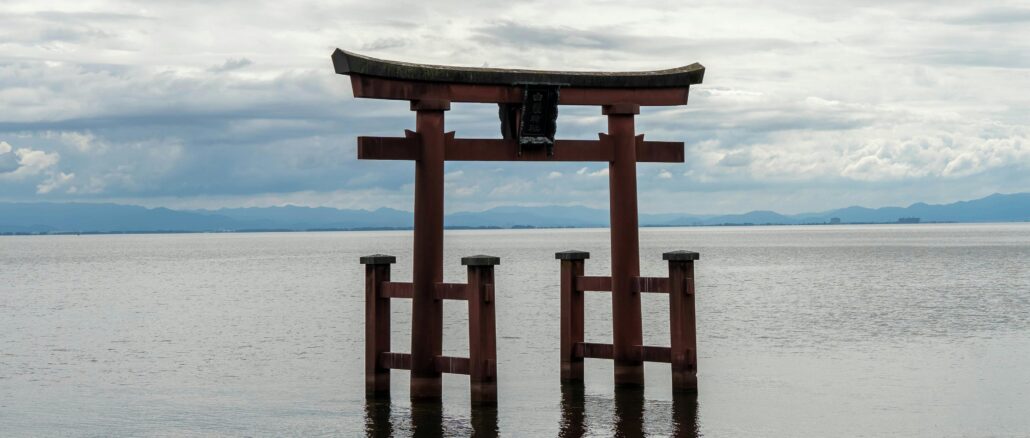

Feb 26: As global business travel evolves in 2026, companies are moving beyond traditional conference cities and exploring destinations that combine productivity with purpose. While hubs like Tokyo and Singapore remain strong corporate magnets, a quieter yet compelling location is steadily gaining attention — Biwako Valley, overlooking the stunning Lake Biwa in Japan.
Positioned near the historic city of Kyoto and easily accessible from Osaka, Biwako Valley is redefining what business travel can look like. It blends natural beauty, premium hospitality, and modern infrastructure — making it an ideal choice for executive retreats, innovation workshops, and corporate offsites.
The Shift in Business Travel Trends
In recent years, corporate travel has undergone a transformation. Companies are no longer organizing meetings solely in urban skyscrapers and hotel boardrooms. Instead, they are prioritizing:
Wellness-driven retreats
Hybrid work-friendly locations
Team-building in nature
Creativity-enhancing environments
Smaller, high-impact leadership gatherings
This shift has opened opportunities for destinations like Biwako Valley, which offer tranquility without sacrificing connectivity.
Why Biwako Valley Stands Out
Located in Shiga Prefecture, Biwako Valley sits beside Lake Biwa — Japan’s largest freshwater lake. The area is known for its panoramic mountain views, ropeway access to scenic terraces, and year-round outdoor experiences.
But beyond its postcard-perfect appeal, it offers practical advantages for business travelers:
Strategic Location
30–45 minutes from Kyoto
Approximately 1 hour from Osaka
Connected via efficient Japanese rail networks
Accessible from Kansai International Airport
This makes it easy for domestic and international executives to travel without logistical complications.
Corporate Retreat Infrastructure
Biwako Valley and surrounding resorts have evolved to meet modern corporate needs. Businesses organizing offsites can expect:
Conference-ready meeting rooms with high-speed internet
Scenic outdoor breakout areas
Premium accommodation options
Audio-visual facilities for hybrid presentations
Catering tailored for executive groups
The environment encourages deeper focus and creative thinking — qualities often difficult to cultivate in busy metropolitan settings.
Productivity Meets Wellness
One of the biggest business travel trends in 2026 is integrating wellness into corporate culture. Companies are recognizing that leadership clarity improves when stress levels decrease.
Biwako Valley offers:
Sunrise meditation terraces overlooking Lake Biwa
Hiking trails for team-building activities
Seasonal experiences such as skiing in winter and trekking in summer
Fresh, locally sourced cuisine promoting balanced nutrition
Executives can spend the morning in strategy sessions and the afternoon participating in nature-based team engagement activities — a powerful combination for innovation and morale.
Economic Impact and Regional Growth
Japan has been actively investing in regional tourism and infrastructure to diversify business travel beyond major cities. Biwako Valley benefits from this strategy, with improved facilities, upgraded hospitality services, and growing international recognition.
For businesses, this means:
Competitive pricing compared to Tokyo-based venues
High-quality service standards
Strong technological infrastructure
Opportunities for partnership with local enterprises
The destination reflects a broader economic trend: decentralizing business travel to boost regional economies while offering unique experiences.
A New Model for Executive Offsites
Corporate retreats are no longer just about presentations and networking dinners. They are about:
Strategic realignment
Leadership bonding
Creative problem-solving
Employee retention
Mental rejuvenation
Biwako Valley provides the environment needed for meaningful dialogue. Surrounded by mountains and water, leaders can disconnect from digital distractions and reconnect with long-term vision planning.
This setting encourages authentic conversations — often the catalyst for transformative business decisions.
Best Time to Plan a Corporate Visit
Biwako Valley is a year-round destination:
Spring (March–May): Cherry blossoms and mild weather
Summer (June–August): Lush greenery and lake activities
Autumn (September–November): Stunning foliage — ideal for executive retreats
Winter (December–February): Snow-covered landscapes and ski facilities
Autumn, in particular, is highly recommended for business groups due to its breathtaking views and comfortable temperatures.
Travel Planning Tips
For companies considering Biwako Valley as their next corporate retreat location:
Coordinate transportation via Kyoto or Osaka
Book venues in advance during peak seasons
Plan a balance of meeting time and outdoor engagement
Incorporate cultural experiences to enhance team bonding
Utilize hybrid meeting technology if remote participants are joining
A well-structured itinerary ensures maximum ROI from the trip.
The Future of Business Travel
As organizations continue redefining workplace culture, destinations like Biwako Valley represent the future of corporate mobility. They combine accessibility, affordability, innovation-friendly environments, and wellness-focused experiences.
In a world where burnout and digital fatigue are growing concerns, business leaders are actively seeking locations that inspire fresh thinking. Biwako Valley answers that demand — quietly but powerfully.
For companies looking to host impactful strategy sessions, foster leadership growth, and create memorable executive experiences, this lakeside mountain destination deserves a place on the 2026 business travel radar.