
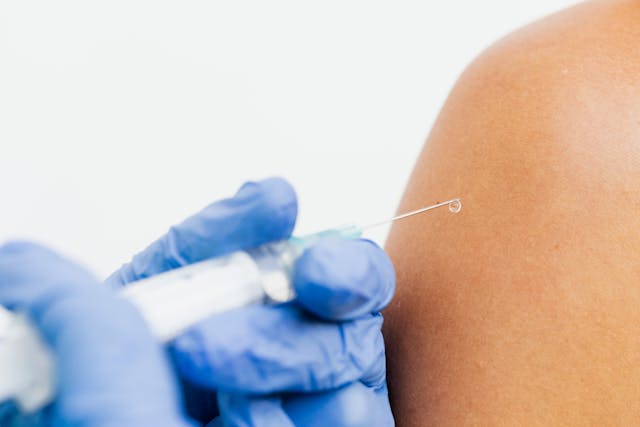

Vaccination is one of the greatest achievements in modern medicine. Through immunization, individuals gain protection from dangerous diseases, and communities become safer places to live. Vaccines not only shield the person receiving them but also create a protective barrier around those who are unable to be vaccinated. This shared protection, often called herd immunity, plays a vital role in safeguarding public health.
Understanding Herd Immunity
When a large percentage of the population is vaccinated, infectious diseases struggle to spread. This reduces the chance of outbreaks and protects vulnerable groups such as newborns, elderly individuals, cancer patients undergoing treatment, and people with weakened immune systems. These individuals may not be able to receive certain vaccines, so they rely on the immunity of others for protection. By choosing vaccination, each person contributes to a stronger and healthier community.
Main Important Vaccines and Why They Matter
Below are some of the most essential vaccines and the reasons they are important for health:
1. Measles, Mumps, and Rubella (MMR) Vaccine
The MMR vaccine protects against three highly contagious viral infections. Measles can cause pneumonia and brain inflammation, mumps may lead to hearing loss, and rubella can result in serious birth defects if contracted during pregnancy. Routine immunization prevents outbreaks and protects vulnerable populations.
2. Polio Vaccine
Polio is a viral disease that can lead to permanent paralysis. Thanks to widespread vaccination programs, polio cases have dramatically decreased worldwide. Continued immunization efforts are necessary to fully eliminate the disease.
3. Hepatitis B Vaccine
Hepatitis B affects the liver and can cause chronic infection, liver failure, or liver cancer. Vaccination at an early age provides long-term protection and significantly lowers the risk of severe liver disease later in life.
4. Tetanus, Diphtheria, and Pertussis (Tdap) Vaccine
This combined vaccine protects against three serious bacterial infections. Tetanus causes painful muscle stiffness, diphtheria can lead to breathing problems, and pertussis (whooping cough) is particularly dangerous for infants. Booster doses are important to maintain immunity throughout adulthood.
5. Influenza (Flu) Vaccine
Influenza is more than just a common cold; it can lead to severe complications, especially in older adults, young children, and people with chronic illnesses. Annual vaccination helps reduce the spread of the virus and lowers hospitalization rates.
6. COVID-19 Vaccine
COVID-19 can cause serious respiratory illness and life-threatening complications. Vaccination reduces the risk of severe disease, hospitalization, and death, while also limiting the spread within communities.
7. Human Papillomavirus (HPV) Vaccine
The HPV vaccine protects against virus strains that can cause cervical cancer and other types of cancer. Immunizing adolescents and young adults significantly decreases future cancer risks.
Why Vaccines Are Essential for Health
1. Prevention of Serious Diseases
Vaccines prepare the immune system to recognize and fight infections before they cause harm.
2. Saving Lives
Immunization prevents millions of deaths each year by reducing the spread of life-threatening illnesses.
3. Community Protection
High vaccination coverage creates herd immunity, protecting those who cannot receive vaccines.
4. Reduced Healthcare Burden
Preventing disease lowers medical costs, hospital admissions, and long-term treatment expenses.
5. Protection for Future Generations
Some diseases have been controlled or eliminated due to consistent vaccination efforts. Continued immunization ensures these diseases do not return.
The Broader Impact of Immunization
Vaccination programs contribute to healthier societies by reducing school absences, improving workplace productivity, and supporting economic stability. When fewer people become ill, communities thrive. Immunization also plays a critical role in global health initiatives, helping control epidemics and prevent pandemics.
Conclusion
Vaccines and immunization are fundamental to maintaining both personal and public health. They provide safe and effective protection against many serious diseases. By staying informed and following recommended vaccination schedules, individuals help create stronger, safer communities. Immunization is not just a personal choice—it is a shared responsibility that benefits society as a whole.