
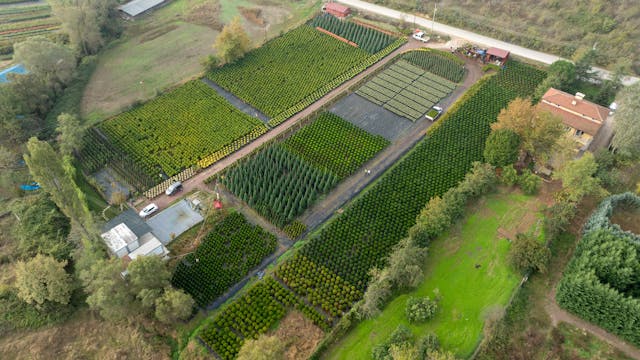

On farms across the world, the seasons no longer behave as they once did. Rains arrive late or all at once. Summers stretch hotter and longer. Storms grow more intense. For farmers whose livelihoods depend on the rhythm of nature, this unpredictability is more than an inconvenience—it is a daily challenge.
Climate-resilient farming has emerged as a practical and hopeful response. It is not a single technique or technology. Rather, it is an approach to agriculture that strengthens farms so they can withstand shocks, adapt to shifting conditions and continue feeding communities despite climate stress.
At its core, climate-resilient agriculture is about preparedness, flexibility and care—for the land, for people and for future generations.
Why Resilience Matters More Than Ever
Agriculture sits at the front line of climate change. It depends on stable weather patterns, reliable water sources and healthy soils. Yet it is also vulnerable to droughts, floods, heatwaves and emerging pests.
When harvests fail, the consequences ripple outward. Farmers lose income. Food prices rise. Communities face shortages. In regions already struggling with poverty or conflict, climate shocks can deepen hardship.
Building resilience into farming systems helps reduce this vulnerability. It ensures that even in difficult seasons, production continues, livelihoods are protected and food remains accessible.
The Pillars of Climate-Resilient Farming
Climate resilience is built through a combination of thoughtful practices. These pillars work together to create agricultural systems that are stronger, more balanced and better prepared for change.
1. Diversification: Strength in Variety
Relying on a single crop is risky. If disease, drought or market shifts affect that crop, farmers can face devastating losses.
Diversification spreads that risk. By growing multiple crops, integrating livestock or planting different varieties with varying growing seasons, farmers create a natural buffer against climate shocks. If one crop struggles, another may thrive.
Beyond risk reduction, diversified farms support biodiversity, improve soil structure and encourage beneficial insects and pollinators. A varied landscape is often a healthier one.
2. Soil Health as the Foundation
Healthy soil is one of the most powerful tools in climate adaptation. Rich, well-structured soil retains water during dry spells and drains excess moisture during heavy rains. It also stores nutrients essential for plant growth.
Practices such as reduced tillage, cover cropping and crop rotation help rebuild soil organic matter. Over time, these methods increase fertility and reduce erosion. Strong soils not only improve yields but also store carbon, contributing to climate mitigation.
When farmers invest in soil health, they are investing in long-term productivity.
3. Smart Water Management
Water insecurity is one of the clearest impacts of climate change. In some areas, rainfall is becoming scarcer. In others, it falls in sudden bursts, leading to runoff and flooding.
Climate-resilient farms use water carefully and creatively. Rainwater harvesting systems capture and store rainfall for dry periods. Drip irrigation delivers water directly to plant roots, minimizing waste. Mulching and improved soil management help retain moisture.
By using water efficiently, farmers reduce dependence on unpredictable rainfall and protect crops during extreme conditions.
4. Agroforestry and Integrated Systems
Trees and crops can coexist in ways that benefit both. Agroforestry—the integration of trees into farmland—provides shade, improves soil fertility and reduces wind damage. Tree roots stabilize soil and enhance nutrient cycling.
These systems also diversify income, offering products such as fruit, timber or fodder. In addition, trees absorb carbon dioxide, helping reduce greenhouse gas concentrations.
Integrated farming systems that combine crops, livestock and trees create natural cycles of nutrients and reduce reliance on external inputs. They mirror the balance found in natural ecosystems.
5. Climate-Resilient Crop and Livestock Varieties
Scientific research has developed crop varieties that tolerate drought, heat or flooding more effectively. Some are bred through traditional methods; others rely on modern biotechnology.
Selecting resilient varieties can stabilize yields even under challenging conditions. Similarly, livestock breeds adapted to local climates are better equipped to handle temperature extremes and disease pressures.
Choosing the right genetics is one of the most direct ways to reduce climate-related risk.
Beyond the Farm: Broader Benefits
Climate-resilient agriculture extends its impact beyond individual farmers.
Food Security
Stable agricultural systems reduce the likelihood of sudden food shortages. When farms are prepared for climate stress, supply chains remain steadier and markets less volatile.
Stronger Rural Economies
Resilient farms are more financially secure. Diversified production and consistent yields provide steady income streams, allowing families to invest in education, healthcare and community development.
Environmental Restoration
Many climate-resilient practices restore ecosystems while maintaining productivity. Improved soil management reduces erosion. Water conservation protects local resources. Agroforestry enhances biodiversity.
These methods create agricultural landscapes that work with nature rather than against it.
The Challenges Farmers Face
Despite its benefits, climate-resilient farming is not always easy to implement. Many farmers lack access to financing, training or climate-smart technologies. Smallholder farmers, in particular, may struggle with upfront costs or limited market access.
Policy support plays a critical role. Governments can encourage resilience through research investment, agricultural extension services and financial incentives for sustainable practices.
Private sector engagement also matters. Companies can provide climate-resilient seeds, affordable irrigation systems and technical support. Collaboration between farmers, researchers and businesses accelerates innovation and adoption.
A Human Story of Adaptation
At its heart, climate-resilient farming is a human story. It is about families working to secure their future. It is about communities protecting their food systems. It is about blending traditional knowledge with modern science.
Farmers have always adapted to change. What is different now is the scale and speed of climate impacts. Resilience requires collective action, shared learning and long-term commitment.
Community networks, farmer cooperatives and peer-to-peer training programs are proving powerful in spreading knowledge and building confidence.
A Path Forward
Climate-resilient farming is not about eliminating risk—it is about managing it wisely. By focusing on soil health, water stewardship, diversification and resilient varieties, agriculture can continue to thrive even as conditions shift.
The journey toward resilience demands cooperation between governments, researchers, businesses and farmers themselves. With the right support and shared commitment, agriculture can evolve into a system that feeds growing populations while protecting the planet.
In a changing climate, resilience is not optional. It is essential. And through thoughtful, human-centered farming practices, it is achievable.