

Kolkata, Aug 31: West Bengal has stepped up its dengue surveillance after the state health department identified five districts as particularly vulnerable to the mosquito-borne disease, prompting a stronger focus on prevention, monitoring and early detection.
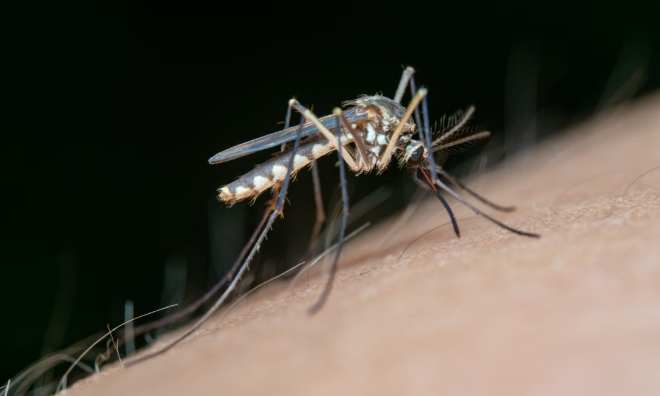
The heightened alert comes during the monsoon season, when frequent rainfall and waterlogging can create favourable breeding conditions for Aedes mosquitoes, which transmit dengue.
Health authorities are strengthening surveillance in the identified districts and asking local administrations to intensify mosquito-control measures. The focus is expected to remain on detecting infections early, reducing mosquito-breeding sites and ensuring timely medical care for suspected cases.
The need for increased vigilance has also been underscored by the latest national dengue surveillance data. The National Centre for Vector Borne Diseases Control reported 8,264 dengue cases and seven deaths in West Bengal in its available 2026 data, although the figures are provisional and subject to updates.
Recent reports have also pointed to rising dengue concerns in Kolkata and surrounding areas, with health officials and civic authorities monitoring the situation closely.
Authorities are particularly urging residents to prevent water from collecting in containers, rooftops, discarded tyres and other locations around homes and workplaces. Regular cleaning of surroundings and cooperation with mosquito-control teams can help reduce breeding opportunities.
The alert is significant because dengue transmission can increase during periods of heavy rain and stagnant water. West Bengal has historically faced recurring outbreaks, making sustained surveillance and community-level prevention important during the monsoon.
Residents have also been advised to seek medical attention if they develop persistent fever or other symptoms associated with dengue rather than delaying diagnosis or treatment.
With monsoon conditions continuing across parts of the state, health officials are expected to maintain close monitoring of the high-risk districts and strengthen preventive action to contain the spread of dengue.