

India’s transition to electric mobility has rapidly shifted from aspirational vision to actionable strategy. With climate goals, energy security, and urban sustainability at the forefront of national priorities, electric vehicles (EVs) are becoming a central pillar of India’s transportation future. Policymakers are aligning incentives, infrastructure rollouts, and regulatory frameworks to support widespread EV adoption, positioning India among the leading global markets for clean mobility.
This feature explores the government’s key initiatives, infrastructure developments, investment trends, and the evolving policy landscape that is shaping India’s electric vehicle ecosystem.
A Strategic National Commitment to Electric Mobility
The Government of India has reaffirmed its commitment to achieving 30% electric mobility by 2030—a target that extends across personal vehicles, public transport, and freight segments. Rather than relying solely on direct subsidies, recent policy frameworks emphasize mandates that encourage adoption while avoiding distortions in market growth.
As part of this strategic shift, customs duty exemptions have been introduced for capital goods and machinery required for manufacturing lithium-ion batteries, which are the backbone of electric vehicles. This move aims to boost domestic production, reduce import dependence, and make EV manufacturing more competitive.
Strengthening Charging Infrastructure Nationwide
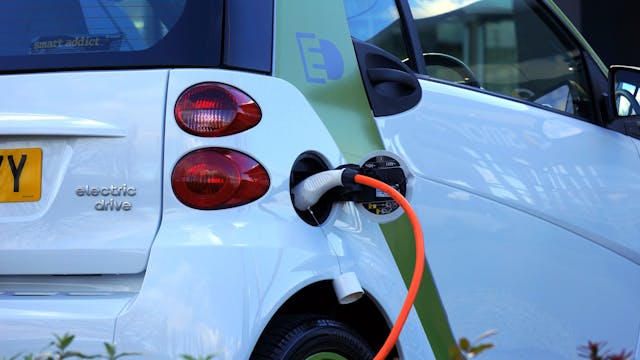
A critical component of EV adoption is the availability of accessible and reliable charging infrastructure. Recognizing this, the government unveiled an ambitious plan to install approximately 72,000 new EV chargers by fiscal year 2026, nearly 22,000 of which are expected to be fast chargers for passenger vehicles. This expansion is designed to address range anxiety, enhance convenience, and create a supportive ecosystem for EV usage in urban and semi-urban areas.
Investments at the state level have already begun materializing. Allocations exceeding ₹1,000 crore have been sanctioned to support civil infrastructure and power projects that enable EV accessibility and reduce barriers to adoption. A portion of these funds has already been disbursed to multiple states and union territories to kickstart localized implementation.
Policy Evolution: A Shift Toward Market-Driven Adoption
In August 2025, key policy recommendations were put forward outlining a new framework for electric mobility. The focus of this emerging national EV policy centers on outcome-based mandates, performance-based incentives, and pilot programs designed to electrify buses and commercial freight vehicles. By pivoting away from long-term direct subsidies, policymakers aim to stimulate sustainable industry growth and ensure long-term viability of EV technologies.
Earlier, the FAME India Phase-II initiative, launched in 2019, provided a robust platform to accelerate EV usage through targeted incentives for two-wheelers, three-wheelers, four-wheelers, and electric buses. With a substantial budgetary allocation, this program has played a significant role in encouraging early adoption and increasing fleet numbers across the country.
Expanding EV Adoption: Deployment and Usage Trends
As of mid-2025, the government-supported programs have facilitated the adoption of over 1.6 million electric vehicles across various segments, including:
-
Electric two-wheelers – the largest segment by volume
-
Electric three-wheelers, including passenger and cargo variants
-
Electric four-wheelers
-
Electric buses deployed for public transport
In parallel, public charging infrastructure has seen significant progress, with thousands of EV charging stations already installed across sanctioned locations. Continued investment in this infrastructure is expected to improve user confidence and support EV usage beyond major cities.
Local Manufacturing and the Phased Manufacturing Programme
To strengthen India’s domestic EV ecosystem, the government has introduced the Phased Manufacturing Programme (PMP) under incentive frameworks such as FAME-II. The PMP encourages local production of EV components, reducing reliance on imports and fostering domestic supply chains for batteries, motors, controllers, and power electronics.
Additionally, targeted incentive schemes for electric two-wheelers and three-wheelers have supported adoption of vehicles equipped with advanced battery technologies, aligning product offerings with long-term performance and sustainability goals.
These initiatives have also been integrated under broader schemes that prioritize domestic sourcing and provide benefits to startups and micro, small, and medium enterprises (MSMEs) engaged in EV manufacturing and technology development.
State-Level Innovation and Regional Leadership
States across India are stepping up with tailored initiatives to accelerate EV growth. For example, key state planning frameworks have identified electric mobility as a strategic priority, with dedicated innovation funds for research and development in areas such as advanced battery chemistry and next-generation EV technologies.
Localized efforts also include the establishment of specialized EV technology zones and research hubs focused on innovation, testing, and commercialization of new mobility solutions.
Boosting Manufacturing Through Incentives
The government has significantly increased the Production Linked Incentive (PLI) allocation for the automobile and auto components sector. This enhanced budgetary push supports greater value creation within the country and expands manufacturing capacities for traditional and EV-specific components.
Increased PLI allocations are aimed at boosting competitiveness, attracting private investment, and strengthening India’s position in global automotive supply chains.
Transitioning Public Transport to Electric
Recognizing the environmental and economic benefits of electrifying public transportation, the government has outlined ambitious plans to transition a significant portion of diesel buses to electric alternatives. Over the next several years, hundreds of thousands of conventional buses are expected to be replaced by electric ones, dramatically reducing emissions and operating costs for urban and rural transport networks.
This strategic focus is designed not only to reduce pollution but also to stimulate investments in charging infrastructure, EV manufacturing, and operational ecosystems that support large electric fleets.
The PM E-DRIVE Scheme: A New Era of Incentives
To further accelerate India’s electric mobility ecosystem, the national government launched the PM E-DRIVE Scheme, backed by substantial investment. This comprehensive program aims to make electric mobility more accessible, support local production, and reduce fossil fuel use.
PM E-DRIVE consolidates previous incentive structures while emphasizing domestic sourcing and technology innovation. Benefits include targeted support for vehicle procurement, infrastructure development, and supply chain expansion. Startups and MSMEs stand to benefit from increased access to funding, scaling opportunities, and policy support.
Challenges and the Road Ahead
While India has made significant strides in EV policy and infrastructure build-out, several challenges remain:
-
Continued expansion of charging infrastructure in smaller towns
-
Enhancing battery recycling and second-life practices
-
Supporting grid readiness and renewable energy integration
-
Sustaining long-term financing for large-scale EV transitions
The nation’s vision for EV adoption, however, remains clear. The combined push from policy, infrastructure expansion, private investment, and consumer interest is creating a resonant momentum that is transforming India’s mobility landscape.
Conclusion: Driving Toward a Sustainable Mobility Future
India’s electric vehicle ecosystem is rapidly evolving from policy ambition to real-world implementation. With strategic government incentives, expanding infrastructure, supportive regulatory frameworks, and growing consumer interest, electric mobility is set to play a transformative role in the country’s clean energy future.
From everyday urban commuters to commercial fleets and public transport systems, EV adoption is gaining traction—as a sustainable choice, an economic opportunity, and a national priority. India is not merely embracing electric mobility; it is shaping a future where cleaner, greener transportation is the norm.