

India’s automotive industry is undergoing a rapid digital transformation, with consumers increasingly embracing connected, AI-driven, and software-defined vehicles (SDVs). According to recent research, 95% of Indian car buyers are willing to pay for SDV features, highlighting a significant shift in preferences from traditional hardware-focused vehicles to intelligent, software-powered mobility.
This trend is being powered by 5G connectivity, the Internet of Things (IoT), and artificial intelligence (AI), creating a data-driven ecosystem where passenger cars dominate demand. At the same time, original equipment manufacturers (OEMs) are integrating advanced, in-vehicle technologies as standard offerings, bringing the “computer on wheels” vision closer to reality.
High Consumer Adoption and Personalization
The shift toward software-driven vehicles is not just hype—consumer readiness is high. Research indicates:
-
81% of consumers find SDV features beneficial.
-
84% are interested in AI-enabled, personalized in-car experiences.
These numbers suggest that buyers value customization, intelligent automation, and continuous improvements via over-the-air (OTA) updates, moving away from static vehicle configurations.
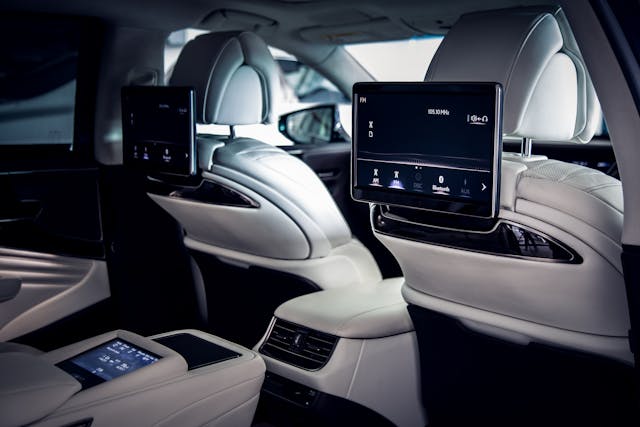
AI-driven personalization allows features such as adaptive seating preferences, customized driving modes, intelligent infotainment, and predictive maintenance alerts, enhancing convenience, safety, and comfort for all occupants.
Safety and Vehicle Health at the Forefront
Consumers are placing safety and vehicle diagnostics above all other features. AI-enabled systems are increasingly relied upon for:
-
Real-time monitoring of vehicle health
-
Predictive maintenance to avoid breakdowns
-
Advanced driver assistance systems (ADAS) for safer driving
-
Cybersecurity features to protect connected functions
These developments indicate that buyers are willing to invest in long-term reliability and peace of mind, rather than just convenience or entertainment features.
AI in Electric Vehicles and Energy Efficiency
AI is also transforming the EV segment. Battery management systems, predictive maintenance tools, and energy optimization algorithms help reduce operating costs and improve vehicle lifespan. AI assists in forecasting energy needs, optimizing charging schedules, and monitoring battery health in real-time, ensuring higher performance and lower long-term costs for EV owners.
Industry Response: The “Computer on Wheels”
The automotive industry is pivoting from traditional mechanical vehicles to software-centric mobility solutions. About 63% of CEOs in the sector are prioritizing generative AI (GenAI) to drive innovation, enhance product offerings, and streamline production and customer experiences.
Connected cars are no longer optional—they are becoming the industry standard, with technologies such as:
-
Voice-controlled assistants
-
OTA software updates
-
AI-enabled predictive safety and maintenance features
These innovations make vehicles smarter, safer, and more adaptable over time.
Data Privacy Remains a Key Concern
Despite strong adoption, data security is a major concern for consumers:
-
73% are worried about sharing personal device data.
-
72% are concerned about location tracking.
Automakers need to balance innovation with privacy by ensuring robust cybersecurity, transparent data practices, and secure storage of sensitive information.
Market Outlook
India’s connected car market is experiencing rapid growth, driven by technology adoption, rising consumer expectations, and supportive infrastructure such as 5G networks. The shift to software-defined vehicles marks a significant transformation in the automotive landscape, where vehicles are no longer just machines—they are intelligent, adaptive platforms capable of evolving over time.
For consumers, this means safer, more efficient, and personalized driving experiences. For manufacturers, it represents an opportunity to innovate, differentiate, and capture market share in a rapidly digitizing economy.
Conclusion:
India’s automotive sector is entering a software-first era. With AI, connectivity, and personalization at the heart of vehicle design, the industry is moving from traditional cars to smart mobility ecosystems. While data privacy challenges remain, the demand for connected, AI-driven vehicles signals a profound and long-lasting transformation, reshaping how Indians drive, maintain, and experience their cars.