
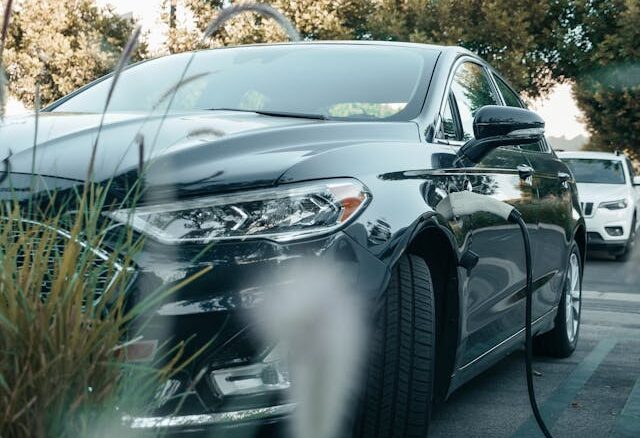

India’s automobile industry is experiencing a dynamic growth cycle, fueled by the adoption of electric vehicles (EVs), surging exports, and technological advancements. In FY25, India produced over 31 million vehicles, reflecting both strong domestic demand and the country’s emergence as a global manufacturing hub. Vehicle exports increased by 19.2%, highlighting the rising international recognition of “Made in India” automobiles.
Diverse Vehicle Segments Powering the Economy
India’s automotive landscape is diverse, catering to personal, commercial, and industrial mobility needs:
-
Passenger Vehicles (Cars, SUVs, Vans):
Provide personal mobility for individuals and families, supporting urbanization and lifestyle needs. Rising demand for connected and electric cars contributes to high-value manufacturing and exports. -
Two-Wheelers (Motorcycles and Scooters):
Affordable, fuel-efficient, and ideal for congested urban areas and smaller towns. Two-wheelers dominate the market, and electric scooters are leading India’s EV revolution. -
Three-Wheelers (Auto Rickshaws and E-Rickshaws):
Serve as low-cost urban transport solutions and last-mile connectivity. The shift toward electric three-wheelers promotes sustainable urban mobility. -
Commercial Vehicles (Trucks, Buses, Vans):
Backbone of logistics, goods movement, and public transport. Electric buses and trucks are gaining traction, reducing operational costs and emissions. -
Electric Vehicles (EVs):
Encompasses electric cars, scooters, buses, and three-wheelers. EV adoption aligns with sustainability goals and is a key growth driver, supported by government incentives and private investments.
EV Revolution and Strategic Industry Shift
Electric mobility is reshaping India’s automotive industry:
-
Rapid Adoption: Over 1.97 million EVs were sold in FY25, with electric two-wheelers crossing 1.15 million units.
-
Market Growth: Forecasted EV CAGR is around 36% by 2026, positioning EVs as a critical driver of future growth.
-
Investment Surge: Major players like Suzuki are investing US$ 8 billion, while Ola Electric is developing indigenous motors to lead the EV space.
-
Infrastructure Expansion: Public charging stations have increased fivefold since FY22, ensuring accessibility and convenience for EV owners.
These trends reflect a growing focus on sustainable, technologically advanced, and eco-friendly mobility solutions.
Exports and Global Integration
India’s automotive exports are expanding rapidly, integrating the country into global supply chains:
-
Over 5.3 million vehicles were exported in FY25, including 770,000 passenger vehicles, reflecting a 14.6% growth year-on-year.
-
Key export markets include Africa, Southeast Asia, and Latin America.
-
The auto components sector contributes 2.3% to GDP, with projected exports reaching US$ 30 billion by 2026.
The “China Plus One” strategy is enabling India to capture a larger share of global manufacturing, projected to grow from 3% to 8% of the global automotive value chain by 2030.
Government Policy and Support
Strategic government initiatives are catalyzing growth and technology adoption:
-
PM E-DRIVE Scheme: Launched in 2024 with an outlay of INR 10,900 crore to promote electric 2Ws, 3Ws, e-trucks, and e-buses.
-
Production Linked Incentives (PLI): Over ₹66,000 crore invested in localization and EV manufacturing.
-
GST Reductions: GST on EVs reduced to 5%, making electric mobility more accessible.
These measures accelerate investment, encourage innovation, and make EVs financially viable for consumers and businesses.
Sector Importance and Economic Impact
-
Economic Contribution: Vehicles and auto components contribute 7–8% to India’s GDP.
-
Employment: Supports over 30 million direct and indirect jobs, spanning manufacturing, R&D, and logistics.
-
Industrial Growth: Drives demand for steel, electronics, plastics, and rubber, creating a ripple effect across the economy.
-
Technological Leadership: AI, IoT, robotics, and software-defined vehicles (SDVs) boost efficiency and innovation.
-
Sustainability: EVs and hybrid vehicles reduce carbon emissions and support India’s environmental goals.
Future Outlook
-
Ambitious Targets: India aims to increase automotive exports fivefold by 2030, reaching $60 billion in exports and $145 billion in production.
-
Technological Shift: The focus on EVs, connected vehicles, and SDVs positions India as a global leader in shared and sustainable mobility.
-
Global Supply Advantage: India is emerging as a preferred alternative to China, attracting foreign investment and boosting competitiveness.
Conclusion
India’s automotive sector is more than a vehicle manufacturing industry—it is a strategic engine for economic growth, employment, and technological innovation. With a growing emphasis on electric mobility, global exports, and advanced vehicle technologies, the sector is poised to drive India’s position as a global automotive powerhouse by 2030.