
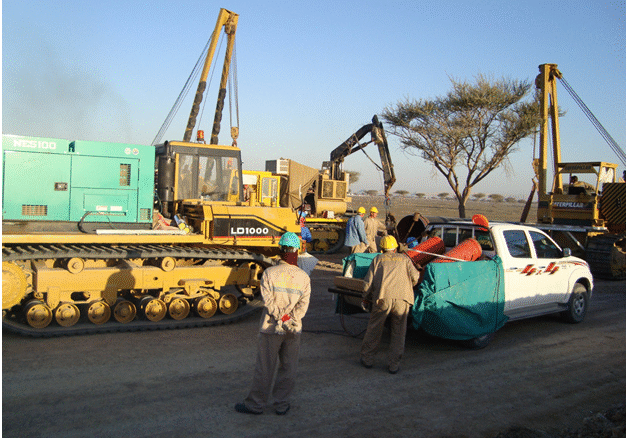

Construction equipment rental has become a strategic tool for businesses seeking flexibility, cost control, and operational efficiency. Rather than tying up capital in heavy machinery, many companies are choosing to rent equipment that aligns with project timelines and workload demands. Understanding how the rental market works, when renting makes financial sense, and how it supports long-term growth can help business owners make more informed decisions.
The Growing Role of Equipment Rental in Construction
The construction equipment rental market continues to expand as businesses prioritize agility and scalability. Industry data shows that rental is no longer a short-term workaround but a core part of many construction strategies. According to worldmetrics.org, the global equipment rental market is expected to reach $230 billion by 2027, reflecting steady adoption across commercial, industrial, and infrastructure projects.
This growth is driven by several factors. Rapid changes in technology make it difficult for owned equipment to retain long-term value, while project-based work often requires specialized machinery for limited periods. Rental providers frequently update their fleets, giving businesses access to newer models without the burden of depreciation or obsolescence.
For business owners, this means improved productivity and compliance with evolving safety and emissions standards, all without long-term ownership commitments. Additionally, rental arrangements can simplify logistics by shifting maintenance, inspections, and repairs to the provider, allowing internal teams to stay focused on execution rather than asset management.
Cost Advantages Compared to Equipment Ownership
One of the most compelling reasons to rent construction equipment is the potential for significant cost savings. Purchasing heavy machinery involves more than the initial price tag. Ongoing expenses such as maintenance, storage, insurance, repairs, and depreciation can quickly add up. Construction Business Owner Magazine reports that renting equipment can reduce total ownership-related costs by roughly 30% to 50% when compared to buying.
These savings can have a direct impact on cash flow and profitability. Renting allows businesses to allocate capital toward labor, materials, or business development instead of locking funds into underutilized assets. It also reduces financial risk during slow periods, since rental expenses can scale up or down with project demand.
Beyond direct costs, rental agreements often include service support and replacement options, minimizing downtime caused by equipment failures. This predictability makes budgeting easier and helps project managers maintain tighter control over schedules and expenses. For small and mid-sized companies especially, this flexibility can be the difference between maintaining margins and overextending resources.
Knowing When Renting Makes the Most Sense
While rental offers clear benefits, it is not always the right solution for every situation. Utilization rates play a critical role in determining whether to rent or buy. According to All Business, businesses should favor renting when equipment is expected to be used less than 60% of the time, especially for short-term or intermittent projects.
This guideline helps owners evaluate real-world usage rather than assumptions. Equipment that sits idle for long stretches still incurs costs if owned, but rented equipment only generates expense while in use. Renting is often ideal for specialized machinery, seasonal work, or projects with uncertain timelines.
It can also support faster mobilization, since equipment is available on demand without lengthy procurement processes. By matching equipment access to actual demand, businesses can improve operational efficiency and avoid unnecessary overhead.
Construction equipment rental offers business owners a practical way to stay adaptable in an industry defined by shifting timelines and evolving demands. By reducing long-term commitments and aligning equipment access with actual project needs, rental strategies can support stronger cash flow management and operational efficiency. When approached thoughtfully, renting allows companies to respond quickly to new opportunities, limit financial exposure, and focus resources on growth rather than asset maintenance.