

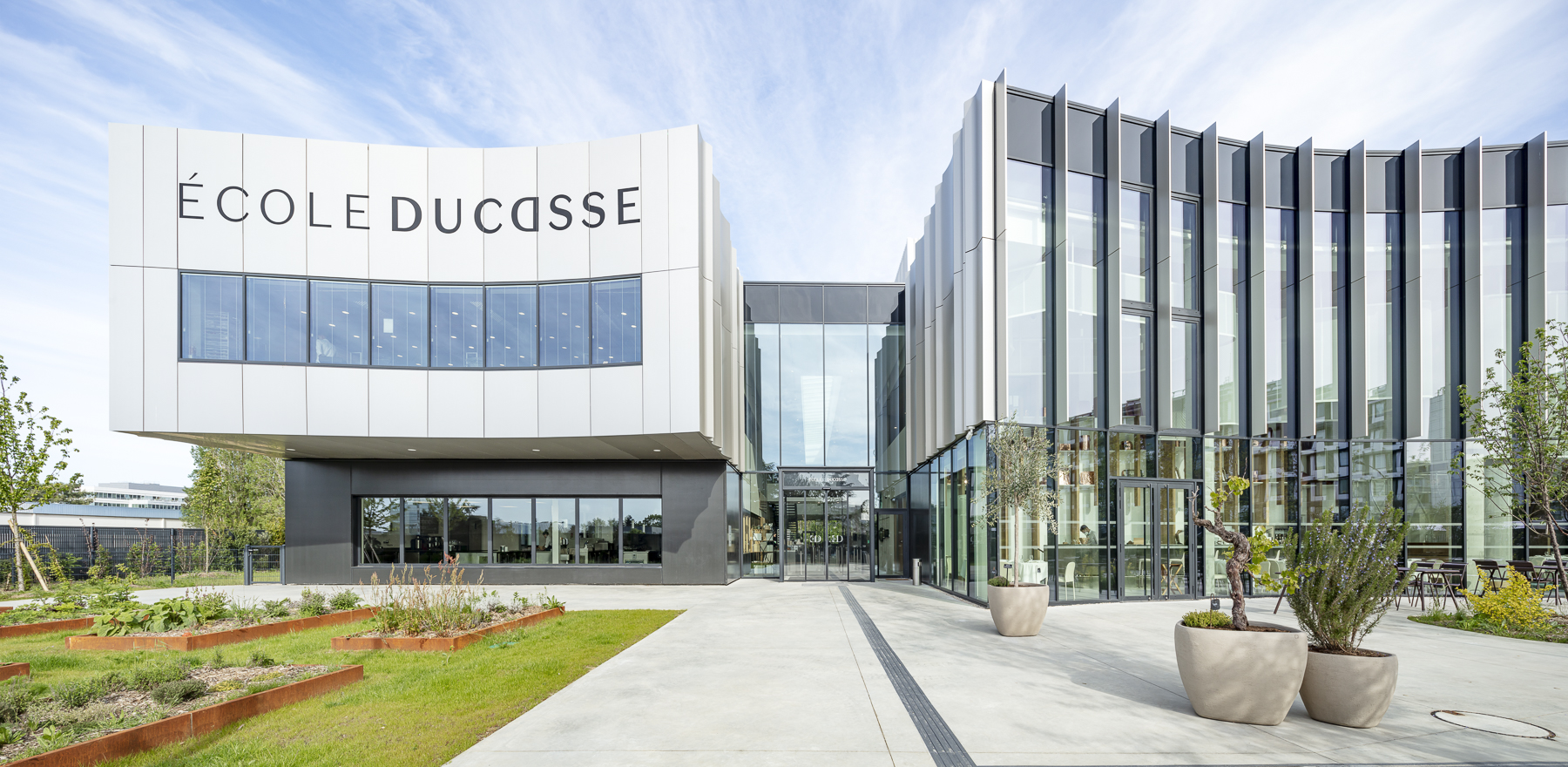
New Delhi, Feb 28: At the dawn of a new gastronomic year, École Ducasse, voted the World’s Best Culinary Training Institution for three consecutive years (2023, 2024, 2025), unveils the key trends set to shape cuisine and pastry in 2026. True to the philosophy of its founder, Alain Ducasse, the institution observes a profound evolution in culinary practices driven by balance, naturalness, and purpose.
Three major movements are defining gastronomy in 2026: reduced-sugar desserts, plant-based cuisine, and the “garden-to-plate” approach.
1. Reduced-Sugar Desserts: A New Balance of Flavour
Pastry in 2026 continues its evolution toward creations that are less sweet, more nuanced, and focused on the intrinsic flavour of ingredients. Reduced-sugar desserts are no longer about restriction — they are about balance.
Chefs are refining their mastery of sugar, exploring bitterness, acidity, and texture to highlight the aromatic complexity of fruits, grains, and chocolate. This approach addresses both consumer health awareness and the pursuit of enhanced tasting experiences.
Fruit has become central to this philosophy, valued for its nutritional qualities and aesthetic richness. Renowned pastry chef Cédric Grolet, an alumnus of the École Nationale Supérieure de Pâtisserie, exemplifies this trend by placing fruit at the heart of his creative expression.
At École Ducasse, technical excellence in pastry is paired with deep reflection on nutritional composition, seasonality, and flavour precision. At ENSP — the world’s largest campus dedicated to pastry arts — professional programmes such as “Yule Logs and Gluten-Free End-of-Year Treats, Without Added Sugar or with a Low Glycaemic Index” and “Small Cakes, New Trends” reflect the school’s commitment to combining health consciousness with indulgence.
2. Plant-Based Cuisine: Creativity, Technique and Commitment
Plant-based cuisine is now a cornerstone of contemporary gastronomy. In 2026, it is not merely an alternative but a recognised field of culinary expression requiring high technical mastery.
This movement goes beyond ingredient selection. It involves advanced techniques such as fermentation, gentle cooking, plant-based extractions, concentrated juices and broths, and roasting of seeds and grains to intensify flavours and refine textures.
École Ducasse integrates plant-based cuisine at the core of its curriculum, equipping future chefs to design innovative, sustainable, and economically viable menus.
At the Paris Campus, continuing professional training programmes including “Plant-Based Cuisine” (May and November 2026) and “Cooking the Living: A Free and Inclusive Plant-Based Cuisine” (April 2026) explore seasonal vegetables, grains, legumes, and sustainability-focused culinary approaches.
As Julian Mercier, Executive Chef at École Ducasse Paris Campus, notes:
“Plant-based cuisine is not an alternative; it is a field of expression in its own right. It demands the same precision, creativity, and technical expertise as traditional cuisine.”
3. From Garden to Plate: Reconnecting Gastronomy with Nature
The third defining trend for 2026 is a deeper integration between production and plate. The use of edible plants, aromatic herbs, flowers, microgreens, and locally grown produce is becoming a hallmark of culinary identity.
Chefs are cultivating kitchen gardens, collaborating closely with producers, and rediscovering forgotten varieties to enrich flavour profiles. This philosophy aligns closely with Alain Ducasse’s vision — one rooted in respect for nature, seasonality, and traceability.
According to Julian Mercier:
“The trends emerging for 2026 reflect a deeper transformation of our profession — toward a gastronomy that is more conscious, creative, and aligned with societal and environmental expectations.”
Shaping the Future of Gastronomy
Through these 2026 insights, École Ducasse reaffirms its mission: to transmit excellence in French culinary and pastry savoir-faire while preparing professionals to shape a gastronomy that is more responsible, plant-forward, and balanced.