

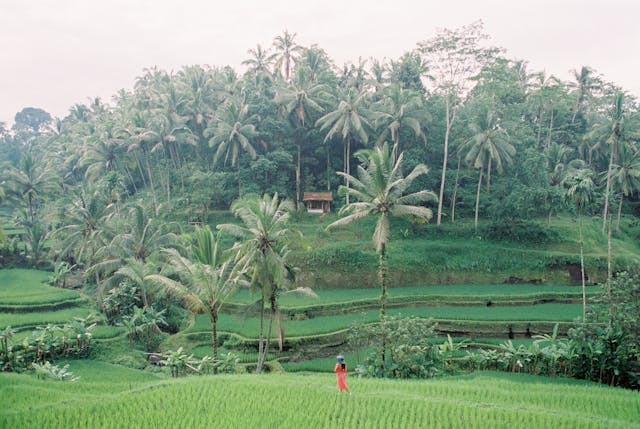
Pic Credit: Pexel
In the rural landscapes of Mandla district in Madhya Pradesh, a quiet agricultural transformation is taking place. Indigenous women from communities such as the Gond tribe and Baiga tribe are redefining farming practices through small-scale homestead agriculture.
For generations, farming in this region was dominated by monocropping—growing a single crop during the rainy season and relying heavily on unpredictable rainfall. This system often left families vulnerable to crop failure, food shortages, and unstable incomes. Today, however, a growing number of women farmers are adopting diversified homestead farming models that are improving nutrition, strengthening household incomes, and increasing their role in agricultural decision-making.
This shift is not only changing how food is produced but also empowering women to take leadership in sustainable agriculture.
Moving Beyond Traditional Monocropping
Historically, many households in Mandla practiced seasonal farming focused on one or two staple crops. While this method required fewer resources, it also limited food diversity and left families dependent on external markets for vegetables and other essential foods.
The new homestead farming model encourages families to cultivate multiple crops in small plots located near their homes. Typically ranging from 400 to 500 square meters, these plots are managed mainly by women.
Instead of relying on a single crop, women grow a variety of vegetables such as leafy greens, tomatoes, gourds, beans, and root crops. This diversification ensures that households have access to fresh food throughout the year while also reducing the risk associated with crop failure.
By spreading production across different crops and seasons, families are better protected against climate uncertainties and price fluctuations.
Agroecological Practices at the Core
One of the defining features of this farming model is its focus on agroecological practices. Women farmers are increasingly adopting natural and sustainable methods that improve soil health and reduce reliance on expensive chemical inputs.
Common practices include:
Organic Bio-Fertilizers
Natural fertilizers made from compost, farm waste, and animal manure are widely used to enrich soil fertility.
Crop Rotation
Farmers rotate crops throughout the year to maintain soil nutrients and prevent pest outbreaks.
Rainwater Harvesting
Simple water collection systems help farmers store rainwater for later use during dry periods.
Integrated Livestock Farming
Small livestock such as poultry are incorporated into the farming system, providing manure for crops and additional income through egg and meat sales.
These environmentally friendly methods help farmers maintain productivity while protecting local ecosystems.
The Role of Water Management
Water scarcity has long been a challenge for farmers in Mandla. With rainfall patterns becoming increasingly unpredictable, relying solely on seasonal rains can be risky.
To address this issue, many homestead farmers are adopting improved irrigation methods such as drip irrigation and small water storage systems. These technologies allow farmers to supply water directly to plant roots while minimizing waste.
By combining rainwater harvesting with drip irrigation, women are now able to grow crops even during dry months. This has enabled year-round farming, reducing dependency on rainfall and ensuring a more stable food supply.
Improved Nutrition and Food Security
One of the most significant outcomes of diversified homestead farming has been the improvement in household nutrition.
With multiple crops grown throughout the year, families now have access to a wider range of vegetables and nutrient-rich foods. Studies and community observations in Mandla show several notable changes:
-
Crop diversity in homestead plots has increased by over 350%.
-
Household dietary diversity has doubled.
-
Consumption of nutrient-rich foods has increased by around 70%.
These improvements are especially important for women and children, who are often the most affected by nutritional deficiencies in rural communities.
Instead of purchasing vegetables from markets, families can now harvest fresh produce directly from their own gardens.
Creating New Income Opportunities
In addition to improving food security, homestead farming also provides a new source of income for many households.
After meeting their family’s needs, women often sell surplus vegetables in nearby local markets or within their villages. Poultry farming associated with homestead systems also contributes additional earnings through egg and chicken sales.
These small but steady income streams help families manage household expenses and reduce dependence on seasonal agricultural labor.
For many women, earning their own income has also brought greater financial independence and recognition within their households.
Women at the Center of Decision-Making
Perhaps the most powerful aspect of the homestead farming model is the role it plays in empowering women.
In many traditional farming systems, men typically control land decisions and crop planning. However, homestead plots managed by women have created new spaces for leadership and decision-making.
Women now take responsibility for:
-
Planning crop varieties
-
Managing irrigation and soil care
-
Deciding how surplus produce is used or sold
-
Managing small livestock and poultry
As their farming knowledge and success grow, women are gaining confidence and recognition within their families and communities.
Many have also become advocates for sustainable agriculture, sharing their knowledge with neighboring farmers.
A Sustainable Model for Rural Development
The success of homestead farming in Mandla demonstrates how small-scale agricultural innovations can deliver powerful results.
By combining traditional knowledge with modern sustainable practices, this approach addresses several challenges at once:
-
Improving household nutrition
-
Strengthening local food systems
-
Increasing resilience to climate change
-
Enhancing women’s economic and social empowerment
Importantly, the model requires relatively small land areas and limited financial investment, making it accessible to marginal and smallholder farmers.
Looking Ahead
As more communities in Mandla adopt diversified homestead farming, the long-term benefits are becoming increasingly visible. Families are eating healthier diets, women are gaining stronger roles in agricultural decision-making, and households are building more stable livelihoods.
The experience of Indigenous communities such as the Gond and Baiga shows that sustainable farming solutions do not always require large-scale investments. Sometimes, meaningful change begins with small gardens, strong community participation, and the leadership of women farmers.