
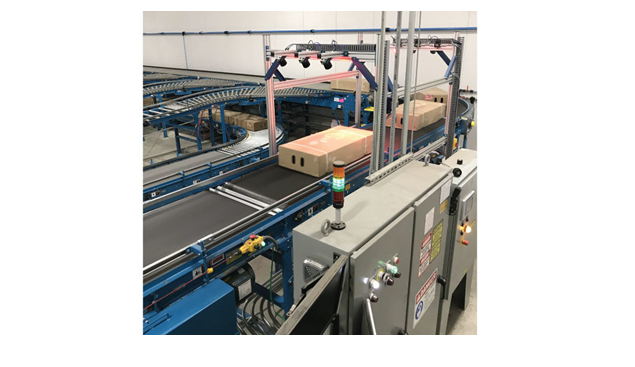

Seasonal demand feels like a wave in your warehouse. It rises fast and changes how everything moves. The material movement equipment decides whether operations stay smooth or turn chaotic. When orders surge, your space gets tighter and your timelines shrink. You need faster loading, quicker picks, and safer internal transport. A smart plan helps keep your operations running smoothly during the busiest weeks.
Why seasonal peaks create pressure on warehouse movement
Peak seasons not only increase orders. They increase complexity inside the warehouse. More stock arrives. More items move between zones. More vehicles and people share the same aisles. Small delays can become major bottlenecks.
Common peak season triggers include:
- Festival shopping periods
- End of season clearances
- Flash sales and campaign launches
- Quarterly dispatch cycles for B2B supply
Key impacts of seasonal demand on equipment needs
1. Inventory levels rise quickly
Stock arrives earlier and in larger volumes. You need more pallet handling per shift. You may also need extra staging space near receiving.
This creates added movement tasks:
- Unloading inbound vehicles
- Shifting pallets into storage lanes
- Replenishing picking locations more often
2. Order volume increases and picking speed must improve
More orders mean more movements inside the warehouse. Pickers move faster, but fatigue builds. Movement paths get crowded.
To maintain output, you often need:
- Faster pallet transfers to pick faces
- More frequent replenishment runs
- Extra support for the packing area feeds
3. Workforce changes add operational risk
Seasonal staff may not be familiar with your layout. They may take longer routes. They may also make handling mistakes.
Additional equipment helps reduce dependence on manual lifting. It also supports safer workflows for new staff.
4. Equipment overload becomes common
During peaks, your forklifts and pallet trucks work longer hours. Wear and tear rise. Breakdowns become more likely.
Peak season stress often shows up as:
- Reduced battery performance
- Tyre wear and hydraulic issues
- More impacts on racking and corners
- Higher maintenance downtime
5. Layout pressure increases congestion
Extra stock can block routes. Temporary storage can reduce aisle width. Loading bays stay busy for longer.
This can lead to:
- Traffic jams near dispatch
- Delays in stock placement and replenishment
- Longer loading times per vehicle
What types of movement tasks increase during seasonal demand
Seasonal surges affect nearly every movement point:
- Receiving to staging movement
- Arranging stock into racking lanes
- Replenishment from reserve to pick locations
- Picking support for bulk orders
- Dispatch staging and vehicle loading
- Returns movement and inspection handling
Each step needs capacity. That capacity depends on people, layout and equipment working in sync.
Why renting becomes practical during peak seasons
Buying new machines for just a few weeks rarely makes sense. What you need is flexibility and quick access to reliable material movement equipment. That’s where forklift rental becomes a practical option for many warehouses.
Renting supports peak management because:
- It avoids a high upfront cost
- It lets you scale up and down fast
- It reduces downtime worries through service support
- It helps you access newer models when required
If you anticipate a sharp spike, booking early matters. Peak seasons often strain supply availability.
How to prepare your equipment plan for the next peak season
Streamline inbound handling
Plan your receiving schedule. Stagger vehicle arrivals where possible. Create a clear staging zone for fast sorting.
Useful actions include:
- Pre-booking dock slots
- Labelling inbound loads in advance
- Creating fast lanes for priority SKUs
Adjust your layout for fast movers
Move high-demand items closer to packing or dispatch zones. Keep pick faces replenished. Reduce travel distance for frequent picks.
Simple layout changes can deliver quick results:
- Temporary fast mover zones
- Extra pick stations near dispatch
- Wider turning space near key intersections
Build an equipment buffer
Do not operate with zero spare capacity. A single breakdown can stop a section of work. Always plan backup equipment for critical tasks.
Many operations add:
- Extra pallet trucks for packing lanes
- One additional forklift for the loading bay support
- One reach truck for narrow aisle storage work
Maintain and service before the rush
Pre-season maintenance reduces downtime. Service batteries and inspect tyres and brakes. Check forks, chains, and hydraulics.
A short inspection checklist helps:
- Visual damage checks
- Brake and horn tests
- Battery health review
- Hydraulics leak inspection
Use technology to monitor usage
Telematics and tracking tools help you track overuse. They also support better shift planning. This reduces unexpected failures.
A practical equipment option for peak readiness
For warehouses seeking flexible capacity, equipment rental companies like Godrej RenTRUST can support seasonal planning without long-term commitments. Warehouse owners can consider a forklift on rent, which supports smooth stock handling and steady movement during peak order periods.
Conclusion
Seasonal demand may be predictable, but it can still put heavy pressure on employees, warehouse layout, and daily material movement. This is where strong material handling planning matters. Preparing capacity in advance reduces stress during peak order fulfilment periods and supports employee safety. Using the right material movement equipment improves picking speed and order accuracy. Flexible rental options give access to suitable equipment without long-term costs and commitment. With proper planning, peak season becomes a chance to perform better, not a period of disruption.