

An underground storage tank (UST) removal project can be one of the highest-risk environmental sites that require more than just excavation equipment and an excavating crew. Whether you are decommissioning a commercial fuel station or removing a residential heating oil tank in preparation for selling your property, the contractor who is selected will impact your liability for years to come.
The regulatory landscape as of 2026 is more stringent than it was before 2026, primarily due to the EPA’s mandates and because California will have banned single-walled tanks by 2025. As a result, property owners are now tasked with providing “environmental proof” to regulatory agencies. You need to choose a qualified and approved operator to do the job when removing your UST to make sure the removal has been performed legally and you can get an NFA from the state’s environmental agency.
Understanding Certification and Licensing Requirements
You should not use a general contractor for underground storage tank removal, as they are usually not qualified for the work. In most jurisdictions throughout the United States, someone must have a Hazardous Substance Certification or license specifically for this work, which is typically classified as either (A) General Engineering or (U2) Decommissioning, to be able to remove an underground storage tank.
Obtaining these certifications involves extensive training in hazardous waste operations, vapour monitoring, and soil sampling procedures. Contractors without these specific certifications will often lack the proper technical knowledge to competently understand the complex intersection of fire safety codes and environmental laws.
Furthermore, in addition to state licenses, you need a contractor to have an on-site supervisor with the OSHA 40 hour HAZWOPER certification for work at hazardous waste sites per 29 CFR 1910.120. This training is required to help workers deal with explosive atmospheres and/or toxic sludge typically found inside of old gas tanks. Finally, contractors performing underground storage tank removals should carry “Pollution Liability Insurance” (often with coverage limits starting at $1,000,000).
This insurance protects your contractor in the event they cause a pollution discharge during the removal process, which is much less likely to be included in a general liability policy.
Vetting for Safety and Compliance Standards
The safety of the subterranean petroleum infrastructures is of utmost importance. Prior to any excavation of dirt, well-known contractors will write a comprehensive Plan for Safety at the Site. The Site Safety Plan should stipulate the method of inserting or displacing any flammable material with a safe inert gas such as carbon dioxide or nitrogen before removing or cutting the materials for disposal.
Selecting means to find a contractor who uses openness or transparency in all phases of their work and performs work with scientific precision. The contractor should produce records of calibration of combustible gas indicators (CGIs) and provide a documented chain of custody for all soil samples sent to laboratories.
Many states will also require electronic Filing of “Notification of Scheduled Permanent Closure” at least 30 days before the actual beginning of work in 2026. An excellent contractor will handle all administrative issues so that the project does not receive a stop work order or be subject to fines for failing local inspectors who complete their inspections of tank pulls without notice.
The Logistics of Gas Tank Removal Underground
The process of safely removing an underground gas tank follows a strict, step-by-step sequence designed to minimize environmental impact. First, any remaining liquid product and bottom-sludge must be vacuumed out by a licensed waste hauler and transported to a certified disposal facility. This step is critical; even a tank that “feels” empty can contain gallons of hazardous sludge that can spill during the lift. Once the tank is declared “gas-free” and the atmosphere is tested, the excavation begins.
A critical, often overlooked part of the process is the post-removal soil analysis. After the tank is lifted from the ground, a licensed professional—often a geologist or environmental engineer—must take samples from the “grave” or pit. These samples are analyzed for Total Petroleum Hydrocarbons (TPH) and Volatile Organic Compounds (VOCs) such as benzene, a known carcinogen.
If the lab results come back clean, the pit can be backfilled with certified clean compactable fill. If contamination is detected, the contractor must be equipped to initiate immediate remediation, which may involve “over-excavating” contaminated soil to prevent the plume from reaching the local water table or migrating to adjacent properties.
Evaluating the Cost of Professional Decommissioning
A gas tank removal and disposal price will typically fall between $1,500.00-$3,500.00 (depending on if the tank is 550 gallons or 1,000 gallons) and include the cost of permits, removing the tank from the ground, and basic soil tests. This low price does, however, completely change for commercial sites or where contamination is found.
A leak will result in soil remediation costs of between $50.00 – $200.00 per cubic yard, with total cleanup starting at $10,000.00, depending on how complicated the groundwater remediation is (sometimes over $100,000.00). In addition to the financial loss due to improper contractor selection, if you choose to hire a non-certified bid by a contractor (cheaper), you are at significant risk for years after the project is completed.
Professionally licensed contractors will include proper disposal of the removed tank and application for proper administrative filings (required) in their contracted price. They will produce a “Closure Report”, which is essentially the birth certificate for your newly cleaned property. Without this report, when the day comes to sell your property, the new buyer will have a hard time securing a loan on your property, and the insurance companies may also deny you insurance. Both of these issues will ultimately lead to a significant decrease in the value of your property.
Questions to Ask Potential Contractors
To ensure you are hiring a qualified professional, use the following checklist during your interview process:
- Can you provide a current copy of your Pollution Liability Insurance?
Standard insurance is not enough for environmental work.
- Who will be the certified on-site supervisor for my project?
Confirm they will be present throughout the entire excavation. - What is your process for inerting the tank before removal?
Look for mentions of dry ice or nitrogen gas. - Do you handle all local and state permitting and “dig-safe” notifications?
Avoid contractors who ask you to pull the permits yourself. - What is your plan if soil contamination is discovered during the lift?
A prepared contractor will have a clear remediation strategy ready to deploy. - How much does it cost to remove an underground gas tank in 2026?
Straightforward residential removals average $2,100, while commercial tanks cost more due to larger sizes and more complex permitting. - Can I leave an underground tank in place instead of removing it?
While “abandonment in place” (filling the tank with sand or concrete) is technically allowed in some areas for structural reasons, it is rarely recommended. Most lenders and buyers will insist on full removal to eliminate any future liability.
How long does the removal process take?
A typical residential removal is completed in one to two days, though receiving certified lab results for soil samples can take an additional 5 to 7 business days.
Responsible Use / Compliance
This guide contains a high-level summary of the best ways to do things in the industry, but it is not intended to be a replacement for professional legal/engineering assistance. Each individual UST statute differs with each state; for example, Massachusetts and California have some of the more stringent reporting requirements in the country when dealing with releases of petroleum-based products.
You must ensure you verify your contractor’s credentials with your State Department of Environmental Protection (DEP) or equivalent. You will be subject to large civil penalties and permanent “clouds” on your property title if you accidentally violate local rules and regulations, and will be practically unable to sell after any time has passed since that incident occurred.
Conclusion
Choosing qualified personnel to remove underground tanks is an investment in your property. Using certified contractors with proper liability coverage, safety guidelines, and competency will convert this potential liability into a manageable home improvement.
Given the current state of environmental compliance increasing exponentially in 2026, there should be no excuses for reducing safety standards to save money. The condition of your site should be clean and compliant with documentation to provide you with peace of mind through professional supervision and oversight.
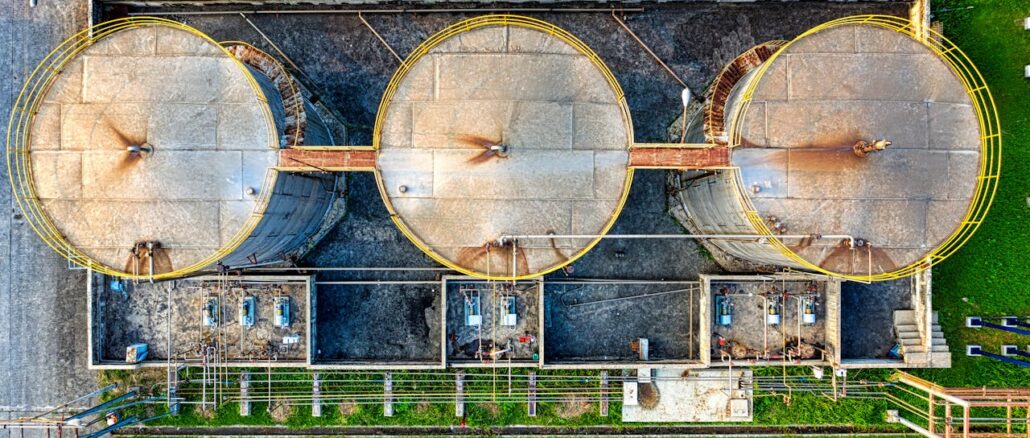
Photo by Tom Fisk: