
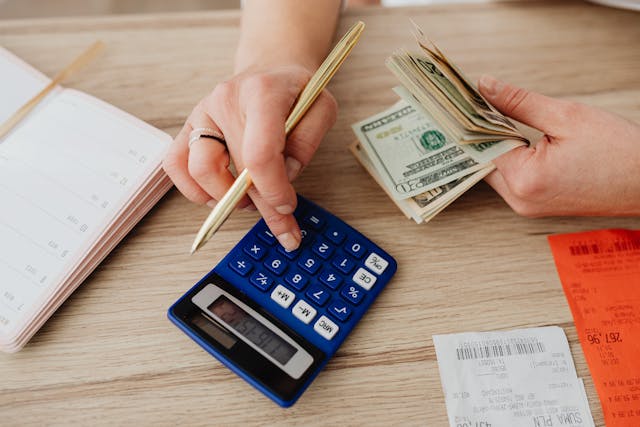

Money is a tool—but without a plan, it can easily slip through your fingers. Budgeting isn’t about restriction; it’s about empowerment. With the right strategies, anyone can take control of their finances, save for the future, and enjoy financial peace of mind. Here’s how to make budgeting simple, effective, and even fun.
Why Budgeting Matters
A budget is more than a list of expenses—it’s a roadmap for your financial life. Without a budget, it’s easy to overspend, miss savings goals, or feel stressed about money. By tracking income, planning expenses, and making conscious spending decisions, you can:
-
Reduce financial stress
-
Build emergency savings
-
Pay off debt faster
-
Achieve long-term goals like buying a home or traveling
-
Avoid impulse purchases
Core Principles of Effective Budgeting
1. Automate Your Savings
The simplest way to save is to automate it. Set up automatic transfers to a separate savings account as soon as you receive your paycheck. Treat savings like a bill—pay yourself first, and spend what’s left.
2. Follow the 50/30/20 Rule
This classic method balances needs, wants, and savings:
-
50% for Needs: Rent, groceries, utilities, insurance
-
30% for Wants: Dining out, entertainment, hobbies
-
20% for Savings & Debt: Emergency fund, retirement, loans
This structure ensures essentials are covered while still leaving room for fun.
3. Track Every Expense
Knowing where your money goes is essential. Use apps like Mint, YNAB, or spreadsheets to monitor spending. Even small adjustments, like cutting back on coffee or subscriptions, add up over time.
Actionable Budgeting Strategies
Cash Envelope System
For categories prone to overspending, like dining out or entertainment, use envelopes with cash or digital equivalents. Once the money is gone, you stop spending in that category—helping curb impulse purchases.
Weekly Money Meetings
Set aside 15 minutes each week to review your expenses. Check your spending against your budget and make quick adjustments. Regular check-ins prevent small oversights from becoming big problems.
Overestimate Variable Expenses
Costs like groceries, utilities, or fuel can fluctuate. Budget slightly higher than usual to create a buffer and avoid end-of-month surprises.
Pause Before Purchasing
Use a “24-hour rule” for small items and a “30-day rule” for big purchases. Waiting helps prevent impulse buying and ensures you really need the item.
Review Subscriptions Regularly
Cancel unused streaming services, memberships, or apps. This frees up money for savings or essentials.
Plan Meals in Advance
Meal planning reduces last-minute takeout and grocery waste. It’s a simple way to save money while eating healthier.
Budget for Irregular Expenses
Set aside money each month for annual or quarterly bills like insurance, property taxes, or holiday shopping. Avoid financial stress by preparing in advance.
No-Spend Challenges
Pick a day, weekend, or week to spend nothing on non-essential items. It’s a fun way to reset spending habits and save extra money.
Popular Budgeting Methods
1. Pay Yourself First
Make savings your first priority. Transfer a fixed amount into your savings account before paying bills or spending. This method guarantees you consistently save every month.
2. Zero-Based Budgeting
Assign every dollar of your income to a specific purpose, leaving a balance of $0. This ensures no money is wasted and helps prevent impulse spending. Include savings as an expense to make sure it’s always covered.
3. Envelope Budgeting
Divide your income into categories using envelopes or digital equivalents. Spend only what’s in each envelope. Unused money can roll over, be reassigned, or go into savings.
Tools to Make Budgeting Easier
-
Budgeting Apps: Track spending in real-time with tools like Mint, YNAB, or PocketGuard.
-
Spreadsheets: Excel or Google Sheets are perfect for customized budgets.
-
Separate Bank Accounts: Use different accounts for bills, savings, and discretionary spending to avoid dipping into savings.
Tips to Stay on Track
-
Review and Adjust: Life changes, so your budget should too. Revisit it monthly.
-
Start Small: Begin with one budgeting method, then combine strategies as you get comfortable.
-
Celebrate Wins: Treat yourself when you reach savings goals or cut unnecessary spending. Positive reinforcement keeps you motivated.
Budgeting isn’t about giving up what you love—it’s about spending smarter. Whether you use the 50/30/20 rule, zero-based budgeting, or the envelope system, the key is to be consistent, track your money, and plan ahead. Over time, these small, deliberate steps can lead to financial stability, reduced stress, and freedom to achieve your dreams.