

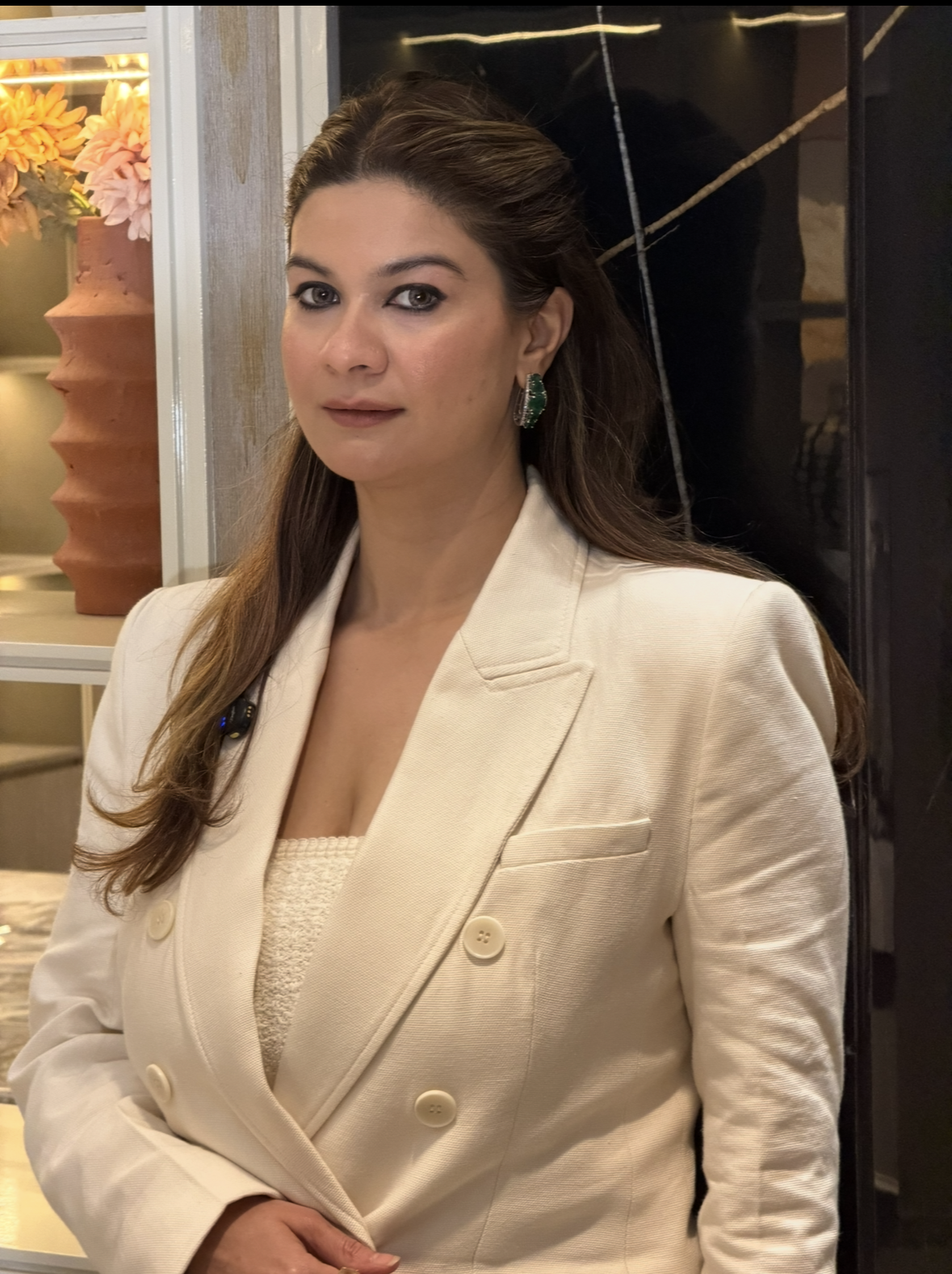
By- Karishma Trehan, Director, Karishma Trehan Designs
In the past few years, I’ve seen a trend in the kind of conversations I have with luxury homeowners. Until a few years ago the first discussion would be on specifications brief, aesthetics, Italian stones, statement lighting, walk-in wardrobes, and automation. Today my first question is quite different: Will this home feel right to live in? This single question is why Vastu Shaastra is back in focus, but in a very different context, as living centrism and not blind tradition.
Luxury Has Gone Emotional, Not Just The Aesthetically Pleasing
In my practice, speaking with clients from the premium residential personas of NCR, I have realized that individuals driven to succeed are no longer designing spaces that will make people awestruck and admiring of them. What they are designing is a habitat that enables them to slow down, to sleep well, to think well, and to feel anchored in life. We live in an era of relentless pace, hyper-digitalisation, and an almost stressful modernity. I am constantly told that different spaces are intended to counterbalance the chaos, to counter movement and chaos. Vastu, when interpreted smartly, becomes a part of spatial psychology, analyzing flow of light, directionality of movement, and its connection to well-being. Contrasting the examples of the many studies of the environment impacting our health and well-being, global happiness research shows that we are now residing 90% of the time in environments that have an impactful effect on stress levels and interactions.
My least preferable interaction yet the most common one is “Would adaptation of Vastu measure against the adornments and cosmos?” My reply is directed always to practice Vastu Shastra selectively. For example:
-
Arranging communal areas where engagement is naturally high and daylight is most abundant will encourage interaction while minimizing the need for electric light.
-
Applying this logic to bedroom placement, creating quieter spaces can improve critical rest cycles, something high-functioning clients will thank you for.
-
Arranging design flow to facilitate true ease of entry subtly grants an experience of arrival and liberation that many clients echo as “instant calm.”
None of it diminishes luxury; it amplifies it.
Casewise Trends I’m Witnessing with My High-Net-Worth Clients
Of several projects, Ive noticed a definite trend. Clients who aspired to “show homes” now prefer:
-
Homes that are settled rather than showy
-
Use of age-ready rather than show-ready material
-
Flow of space that develops member interaction rather than isolation
-
Display of tech along tactile, natural elements
In one project, we adjusted spatial configuration over decorator choices. The client then revealed his home was “relieved of weight” despite stark aesthetic adjustments. That’s the caliber of energy alignment for achieving clarity. This is the reason that true mindful luxury can be achieved with less excess, if you focus on value, moments of impact, and fundamentals.
How Delhi NCR is a Flavor of its Own
The Delhi NCR zone is a melting pot where a global perspective mingles with native roots. Many owners are recent entrepreneurs or have experienced rapid career growth where familial lineage anchors status while modern achievements take charge. They are attuned to international touch points yet desire a refuge that evokes internal familiarity. For these clients, Vastu is simply a matter of belonging; their homes should breathe with their story of migration to achieve it. Where they are not reverting to Vastu but reconceptualizing it for luxury.
Does Vastu Increase Property Value? A question we hear all the time
From a transactional perspective, properties with good orientation, natural cross-ventilation, and proportionate design generally stand the test of time. They age better, evolve more gracefully, and tend to have broader market appeal. Though subtle, a lot of buyers may not even consciously know what they are drawn to the strongest; they feel drawn. That emotional trigger often sustains and enhances value over the longer run.
The New Concept of Comfort
For me, comfort today has nothing to do with addition but only to do with intention in design.
It is the difference between a house that makes a great canvas for your memories and a home that makes you feel good to be there. Applied respectfully, Vastu becomes a guiding principle rather than a prescriptive route. It guides us to create spaces that are calmer, more in tune, and ultimately more enjoyed by the user, the very qualities that the modern luxury seeker desires. Augmented comfort is no passing fad. It is a reset. Away from inflation, deeper into congruence. And perhaps that is exactly why the most contemporary homes I conceive happen to be most interconnected with the earliest of models.