
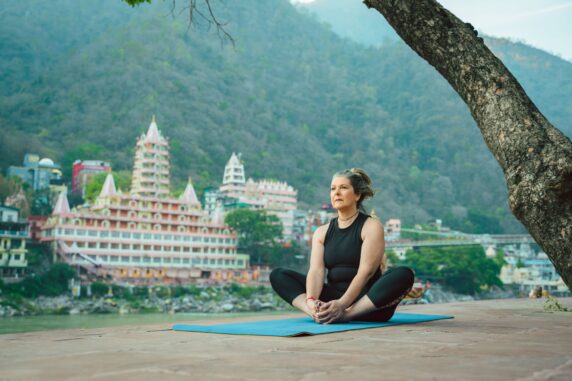

Aug 29: For years, fitness culture was built around pushing harder. Run farther, lift heavier, train longer and keep going. Rest was often treated as something you earned after a demanding workout rather than an essential part of staying fit. That attitude is beginning to change. As people become more conscious of sleep, mobility and overall wellbeing, recovery is finding a place at the centre of modern fitness—and travel is becoming one of the ways people are making room for it.
The Holiday Is No Longer About Doing Everything
A holiday was once measured by how much you managed to see and do. Packed itineraries, early mornings and back-to-back sightseeing plans were common. But travellers are increasingly questioning whether a break should leave them exhausted.
Recovery travel offers a different idea. It could mean spending a few days at a wellness resort, walking through nature, taking a yoga class, booking a massage or simply having enough time to sleep properly. The emphasis is less on ticking attractions off a list and more on returning home feeling refreshed.
Wellness Is Becoming Part of the Travel Decision
This shift is taking place alongside the rapid expansion of the wellness economy. According to the Global Wellness Institute’s 2025 Global Wellness Economy Monitor, global wellness spending reached $6.8 trillion in 2024, having grown 7.9% from the previous year. Wellness tourism alone reached approximately $893.9 billion in 2024, with the sector growing 13.8% between 2023 and 2024.
The numbers suggest that wellness is no longer simply an add-on to travel. It is becoming part of how consumers think about their lifestyles and the experiences they choose to spend money on.
Travellers Are Looking for More Meaningful Breaks
Booking.com’s 2025 Travel Predictions, based on a survey of 27,713 people across 33 countries and territories, found that travellers are increasingly looking for trips that align with personal values, including wellness. The report describes travel as increasingly being viewed as a tool for long-term self-care rather than simply a short escape.
That changing mindset creates space for recovery-focused holidays. Instead of asking what can be fitted into a trip, travellers may increasingly ask what they want to feel when they return home.
Rest Can Be the Main Event
Recovery travel turns the traditional holiday formula upside down. Instead of asking how many attractions can fit into a weekend, travellers may ask how much time they can spend resting.
A slow morning, a long breakfast, an afternoon treatment and an early night may sound uneventful on paper. For someone living with a packed work schedule, however, that can be exactly what a break is supposed to provide.
The destination does not have to be completely inactive. The difference is that activities are chosen for how they make the traveller feel rather than simply how much they can accomplish.
Sleep Is Becoming Part of the Itinerary
Sleep is taking a more prominent role in wellness travel. Travellers are looking for quieter surroundings, comfortable accommodation and experiences that help them switch off from work and everyday distractions.
Sleep-focused stays and wellness retreats are emerging around this demand. The appeal is straightforward. When everyday life involves late nights, screens and constant notifications, simply being somewhere quiet can feel restorative.
A holiday that provides the opportunity to sleep without an alarm, spend time outdoors and follow a slower evening routine can become a form of recovery in itself.
Recovery Does Not Mean Doing Nothing
There is a misconception that recovery holidays are about lying beside a pool all day. In reality, many combine rest with gentle physical activity.
A hiking trip can include stretching and massage. A cycling holiday can include mobility sessions and nutritious meals. A surfing retreat can balance time in the water with yoga and relaxation.
The idea is to create a rhythm: challenge the body, then give it time to recover.
That approach also makes recovery travel appealing to fitness enthusiasts who do not want to abandon movement while on holiday. Instead, they can build a more sustainable balance between activity and rest.
Nature Has a Role to Play
The setting matters too. Mountains, forests, beaches and countryside naturally create opportunities to slow down.
A walk through a forest or along a coastline may not look like a conventional workout, but it gets people moving without the pressure of a gym session. At the same time, being outdoors can create a sense of distance from the noise and pace of everyday urban life.
For recovery-focused travellers, the destination itself becomes part of the wellness experience.
Wellness Resorts Are Changing
Hotels and resorts are responding to the broader shift in what travellers expect from wellness. The traditional spa remains important, but properties are increasingly combining treatments with fitness, nutrition, mindfulness, sleep and movement.
That means a wellness holiday can feel less like a collection of spa appointments and more like a complete lifestyle experience. Guests can exercise, eat well, relax and sleep in the same environment.
The emphasis is also moving towards experiences that can be continued after the holiday. A traveller might return home with a new stretching routine, improved sleep habits or a different approach to managing downtime.
The Slow Itinerary Is Back
Another noticeable change is the way people are approaching their itineraries. Rather than moving between several destinations, some travellers are choosing to stay longer in one place.
There is less pressure to fill every hour. An afternoon can remain deliberately unscheduled. A morning can start when the traveller wakes up rather than when the first tour begins.
This slower approach can make travel feel less like another productivity challenge. It creates space for spontaneity, reflection and genuine rest.
Fitness Retreats Are Looking Beyond the Workout
Fitness retreats are changing in much the same way. The focus is increasingly moving beyond intense exercise towards the complete picture of physical wellbeing.
Mobility, nutrition, sleep and recovery can sit alongside strength training or endurance activities. Instead of promising a dramatic transformation in a few days, the better retreats are teaching habits that can continue after the suitcase has been unpacked.
This is where fitness and travel increasingly overlap. A retreat can become a temporary environment for experimenting with a healthier routine before taking those practices back home.
The New Luxury Could Be Time
Luxury travel has traditionally meant beautiful rooms, exceptional food and exclusive experiences. Recovery travel introduces another idea of luxury: having time.
Time to sleep without an alarm. Time to eat without rushing. Time to take a long walk. Time to read. Time to sit quietly without feeling that something else needs to be done.
For busy travellers, that can be more valuable than another item on an itinerary.
The appeal is especially strong in a culture where productivity often follows people even when they are supposed to be on holiday. Recovery travel offers a different kind of indulgence: permission to stop.
Taking Recovery Home
The most interesting part of recovery travel may be what happens after the holiday.
A traveller may return home with a better appreciation of sleep, a new mobility routine or a greater willingness to schedule genuine downtime. The holiday then becomes more than an escape. It becomes an opportunity to rethink everyday habits.
That is perhaps what separates recovery travel from a conventional spa break. The objective is not simply to feel better for a few days, but to discover routines that can make everyday life more sustainable.
The Future of Fitness Travel
Recovery travel reflects a broader change in the way people think about fitness. Being fit is increasingly understood as more than constantly challenging the body. Rest, sleep, mobility and mental downtime all have a place in a sustainable lifestyle.
The growth of wellness tourism shows that this is more than a niche trend. Wellness tourism reached nearly $894 billion globally in 2024, according to the Global Wellness Institute, and the organisation projects the sector to reach approximately $1.38 trillion by 2029.
For the travel industry, that creates an opportunity to rethink what a wellness holiday looks like. It does not always need to be an intensive retreat or a luxury spa escape. It can be a quiet coastal stay, a nature-focused break, a hiking trip with built-in recovery or simply a destination that gives travellers enough time to slow down.
The future of fitness travel may therefore be less about chasing physical limits and more about finding balance.
The best holiday may no longer be the one that leaves you exhausted from everything you managed to do. It may be the one that sends you home rested, restored and ready to live better.