


Photo by Kelly Sikkema on Unsplash
Moving is one of those life chapters that feels big before it even begins. New streets, new routines, new energy. But the process itself doesn’t have to drain you. With the right prep, simple systems, and a calm mindset, the transition becomes smoother, faster, and way less chaotic. Here’s how to keep everything under control and actually enjoy the reset.
Preparing Your Move With Intention
A stress-free relocation starts long before you pack the first box. Set your direction early and the rest falls into place.
Get Clear on Your Timeline
Create an honest timeline instead of an idealistic one. If you need three weeks to pack, give yourself three weeks. Add buffer days. People underestimate how long wrapping, sorting, and labeling takes. A realistic timeline means fewer late-night packing marathons and more control.
Declutter Before You Pack Anything
Packing clutter is the quickest way to overwhelm yourself. Go room by room and be ruthless. Ask yourself what you actually want in your next space. Fresh energy starts with fewer, better things. This step alone can cut your relocation stress in half.
Collect Packing Supplies Early
Get the basics: sturdy boxes, bubble wrap, tape, markers, labels. Don’t wait until the last minute. Missing materials always slow you down. When everything is within reach, packing becomes mechanical and fast.
Packing Without the Chaos
The way you pack impacts the way you arrive. Good packing equals easy settling.
Break Down Packing Into Daily Micro-Tasks
Instead of blocking off entire days, divide your packing into 45–60-minute sessions. You’ll stay more focused, and the task won’t swallow your whole day. Start with low-use areas like guest rooms or seasonal closets.
Keep Essentials in One Dedicated Bag
Think of this as your “first-night survival kit:” chargers, basic toiletries, meds, a sweater, important documents, and your daily use items. When everything else is boxed up, this single bag keeps your first night simple.
Label Like Your Sanity Depends on It
Clear labels save hours. Use a marker for big writing, add color stickers, and note what’s inside. Future-you will thank you when you’re trying to find your hair dryer or your kitchen knives on day one.
Making Move-Out Day Work for You
Move-out day feels hectic only when you’re improvising. Prep well and it turns into a clean execution.
Create a Load Order
Put heavier, less fragile boxes first. Light and fragile items last. Keep overnight bags and must-reach items separate so they’re not buried under furniture.
Keep All Important Documents in One Folder
Housing contracts, ID, lease agreements, receipts. Always keep them on you, not in a box or a truck. If something comes up, you don’t want to dig through piles to solve it.
Protect Your Technology
Wrap cables separately. Label them. Pack electronics in padded cases or original boxes. The last thing you need during a move is a cracked screen or a missing charger.
Arriving and Resetting Your Space
Moving in is your moment to set the tone. Approach it with strategy, not panic-unpacking.
Start With Your Bed and Bathroom
The fastest way to feel grounded is to set up your bed first. Clean sheets instantly shift the energy of your space. Then do the bathroom: towels, soap, toothbrush, skincare. Once these two zones are running, your place feels livable.
Unpack Room by Room
Scattered unpacking creates scattered energy. Choose a room, finish it, then move on. This gives you small wins, makes progress visible, and keeps momentum high.
Freshen the Atmosphere
A new environment needs a reset. Light a candle, open windows, or plug in a home scent diffuser to break that boxed-up smell and give the space a warm, lived-in feel. Scents help your mind adjust faster, grounding you in your new environment.
Designing Spaces That Feel Like You
Once the essentials are in place, shift toward shaping an environment that supports good habits and a peaceful mood.
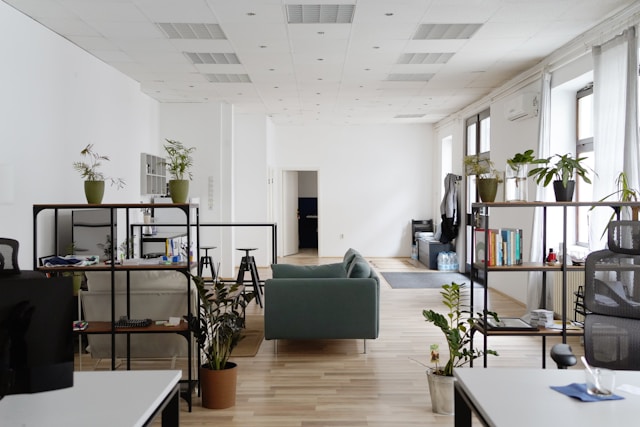
Photo by Becomes Co on Unsplash
Ease Into Your Layout
Don’t rush your furniture placement. Live in the space for a few days to see how the light moves, where you naturally sit, what feels comfortable. Good layout decisions often come from observing, not forcing.
Build a Soft Routine for Your New Space
Your first week sets the tone. Introduce small rituals that help you settle: morning stretches near the window, tea at the kitchen counter, evening music while unpacking. Habit anchors make the unfamiliar feel like home faster.
Add Character Slowly
Your new home doesn’t need to look “finished” overnight. Add items with intention: a throw blanket here, a plant there, warm lighting, or a scent you love through a home scent diffuser. Focus on comfort first, aesthetics second.
Managing Stress and Keeping Your Mind Clear
Relocation is emotional—even when you’re excited. Keeping your mindset steady helps you navigate the transition without burnout.
Take Breaks on Purpose
Unpacking nonstop leads to unnecessary stress. Set specific times to sit, breathe, and reset. Short breaks help you come back sharper and avoid frustration.
Don’t Expect Immediate Normalcy
Your routines, productivity, and energy will feel off for a few days. That’s normal. Give yourself grace. New rhythms take time to build.
Stay Connected
A move can feel isolating. Stay in touch with friends and family during the process. Send updates, chat while unpacking, keep small emotional ties active. Support systems matter.
Creating a Smooth Start in Your New Neighborhood
Feeling at home isn’t just about the interior—it’s about understanding the space around you.
Explore the Area in Small Circles
Walk your block. Then your next block. Map out the basics: grocery stores, pharmacies, parks, cafés. Learning the area gradually helps you feel oriented without overwhelming yourself.
Handle Logistics Early
Update your address. Transfer utilities. Register for local services. The earlier you handle paperwork, the lighter the rest of your move becomes.
Say Yes to One New Local Thing
Whether it’s trying a café, joining a gym, or attending a weekend market, one small “yes” helps you establish roots. It builds familiarity, which builds comfort.
Keeping Systems That Make Life Easier Long-Term

Relocation is the reset moment—use it to build better systems.Photo by Yiran Ding on Unsplash
Organize as You Unpack
Avoid the trap of “I’ll fix it later.” Setting up smart organization from day one saves time, stress, and clutter. Store seasonal items high, keep daily items accessible, and use storage bins for small essentials.
Maintain a Simple Weekly Rhythm
Choose one cleaning day. One laundry day. One rest day. New routines feel easier when they follow a predictable pattern.
Track What You Still Need
Every home has gaps after a move. Keep a simple list in your phone: items to buy, repairs to make, documents to update. Tackling this list slowly prevents overspending and panic buying.