
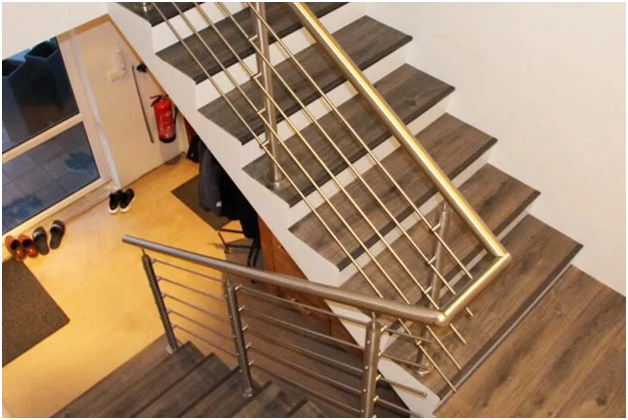

Stainless steel railings have become the go-to choice for modern architectural projects. Whether in homes, offices, or public spaces, stainless steel offers unmatched durability, low maintenance, and a sleek appearance. But achieving the flawless finish you see in premium installations isn’t a matter of chance; it’s the result of careful steps taken during the manufacturing process, from selecting the right materials to expert welding stainless steel techniques.
Let’s walk you through the important stages that make stainless steel railings not just strong, but also stunningly finished.
Step 1: Selecting the Right Grade of Stainless Steel
Everything starts with material selection. The environment determines the appropriate grade: indoors or outdoors, coastal or industrial settings, humid or dry regions. For most railing fabrications, grades 304 and 316 are preferred.
- Grade 304 is ideal for indoor applications where moderate corrosion resistance is required.
- Grade 316, with added molybdenum, offers greater rust resistance, making it ideal for outdoor environments.
The purity and consistency of the raw material ensure smoother fabrication and a better final finish. Leading manufacturers of stainless steel, such as Superon Technik, emphasise consistent quality from the very first step, guaranteeing stress-free use for fabricators and customers alike.
Step 2: Precision Cutting and Shaping
Once the grade is chosen, the next phase involves cutting and shaping the material into rails, posts, and connectors. Laser or plasma cutting techniques are preferred for accuracy and cleaner edges. These methods prevent excess heat distortion, reducing the need for later corrections.
A well-cut surface minimises surface defects and prepares the steel for seamless joints during assembly. The precision at this stage determines how well all parts align during welding, ensuring both visual symmetry and structural stability.
Step 3: Welding Stainless Steel
This step plays a central role in railing manufacturing. a stainless steel welding electrode demands careful control of temperature and technique. If overheated, stainless steel can lose its natural chromium oxide layer, the very layer that gives it corrosion resistance.
To achieve strong joints, manufacturers often use TIG (Tungsten Inert Gas) welding for its excellent control and high-quality welds with minimal spatter. Skilled fabricators carefully match filler materials with base steel for consistent strength and appearance. Using premium welding consumables, like those from Superon Technik, enhances stability and ensures reliable, uniform bead formation across projects of any size.
Step 4: Grinding and Smoothing the Welds
Even the neatest welds need smoothing before polishing. Grinding removes excess weld metal and levels the surface, giving it a uniform look. Using the right abrasive discs and tools during this stage ensures the material isn’t scratched or overheated.
After grinding, the railing starts to reveal its shape and definition. Precision in this step ensures no visible marks, something essential for the final shine.
Step 5: Surface Polishing – The Secret to the Shine
Now comes the part that gives stainless steel its signature visual impact. Polishing involves multiple levels of finishing, from coarse cleaning to fine mirror polishing. Professionals often rely on specialised buffing tools, specifically the buffing wheel and buffing soap, to bring that brilliant reflectivity stainless steel is known for.
Buffing wheels made from soft cotton or sisal, along with polishing compounds, are used to achieve a mirror-like finish. This process enhances the railing’s appearance and seals the steel, improving resistance to fingerprints, scratches, and corrosion. Skilled fabricators understand that slow, steady polishing with the right compounds produces a uniform finish, turning a solid structure into a showpiece.
Step 6: Inspection and Protective Finishing
Before installation, each railing undergoes visual and mechanical inspections. Tiny blemishes, pits, or discolourations are polished out. Some manufacturers apply a final protective coating or passivation treatment to enhance corrosion resistance further.
Inspection also ensures that fittings and brackets align perfectly for easy installation on-site. A well-polished railing should not only look perfect but also feel smooth and seamless to the touch.
Step 7: Packaging and Delivery
Proper packaging is often overlooked but crucial for maintaining that flawless finish. Stainless steel components are wrapped in anti-scratch films, bubble layers, or foam covers to prevent transit damage.
Brands that focus on “consistent quality” care deeply about every step, from welding to final delivery. Reliable packaging ensures customers receive products exactly as they appear in catalogues, ready to install, gleaming, and defect-free.
Why Quality Consumables Matter
Each step in railing manufacturing relies on consumables such as welding wires, abrasives, polishing soaps, and more. Using inferior consumables can compromise both appearance and longevity. This is where dependable suppliers come in.
Leading manufacturers of stainless steel fabrication products like Superon Technik stand out with their “One Stop Solution for All Stainless Steel Fabrication Needs.” With consistent price policies and easy availability across India, they remove the usual supply worries for fabricators. Professionals can count on uniform quality and performance across welding, grinding, and polishing products.
The Final Shine
A perfect stainless steel railing is a result of science, skill, and quality materials coming together. From selecting the right grade to using precision tools and trusted consumables, every step adds value to the final product.
So, the next time you admire a shining stainless steel railing, remember, it’s not just the steel you’re seeing. It’s craftsmanship, quality welding, stainless steel practices, patient polishing with a buffing wheel and buffing soap, and attention to detail that help create that timeless finish.