

India’s climatic diversity presents unique challenges for maintaining personal freshness and confidence throughout the day. From the oppressive humidity of coastal regions to the dry heat of northern plains and the unpredictable monsoons that sweep across the subcontinent, weather conditions directly impact how comfortable and confident individuals feel in their daily routines.
The relationship between climate and personal grooming cannot be understated. Temperature fluctuations, humidity levels, and seasonal variations all influence body chemistry, perspiration rates, and the effectiveness of grooming products. Understanding these dynamics and developing adaptive strategies has become essential for professionals, students, and anyone seeking to maintain consistent standards of personal presentation regardless of environmental conditions.
Understanding India’s Climate Challenges
The Indian climate operates on extremes. Summer temperatures in cities like Delhi, Nagpur, and Ahmedabad regularly exceed 40 degrees Celsius, creating conditions where even minimal physical activity triggers profuse sweating. Coastal cities such as Mumbai, Chennai, and Kolkata contend with humidity levels that often surpass 80 percent, making the air feel heavy and causing perspiration to persist on the skin rather than evaporating efficiently.
Monsoon seasons introduce additional complications. The constant dampness affects not just clothing and footwear but also skin conditions and bacterial growth that contribute to body odor. Winter months, particularly in northern regions, bring dry cold that can cause skin issues while still requiring adequate odor protection for those layering multiple clothing items.
These weather patterns are further complicated by urban heat islands, where concrete jungles amplify temperatures beyond what rural areas experience. Air conditioning provides temporary relief but creates temperature differentials that shock the body when transitioning between environments, often triggering additional perspiration.
Foundation of Weather-Proof Grooming
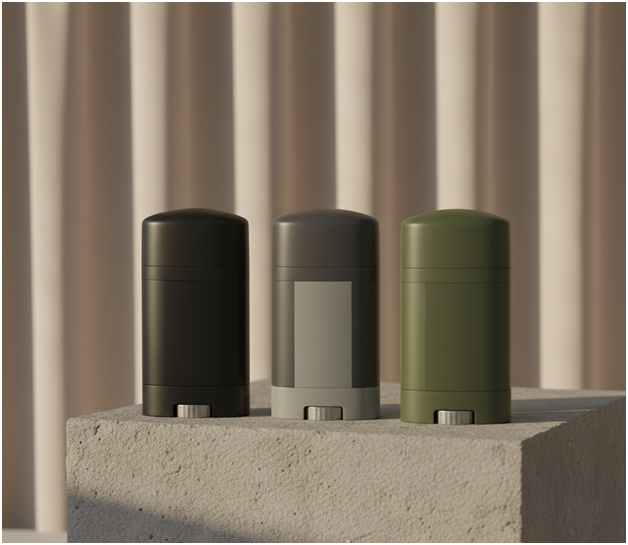
Effective all-day confidence begins with understanding that different weather conditions require adjusted approaches rather than one-size-fits-all solutions. The selection of appropriate deo for men forms the cornerstone of weather-appropriate grooming strategies. Formulations designed for high-performance situations offer better protection during extreme heat, while milder options may suffice during cooler months.
Product selection should account for individual perspiration patterns and body chemistry. Those who experience heavy sweating benefit from clinical-strength antiperspirants that provide maximum wetness protection. Others may prefer deodorants that focus on odor neutralization without completely blocking perspiration, allowing the body’s natural cooling mechanisms to function while preventing unpleasant smells.
Application techniques require adjustment based on weather forecasts. During particularly hot or humid days, heavier application or mid-day touch-ups may be necessary. Products are most effective when applied to completely clean and dry skin, which is why evening application before bed often yields better results than rushed morning routines.
Fragrance Selection Across Seasons
The choice of personal fragrance should reflect seasonal appropriateness. Heavy, musky scents that work well during winter months become overwhelming in summer heat. Light, fresh fragrances with citrus or aquatic notes prove more suitable for hot weather, while warmer woody or spicy notes are reserved for cooler periods.
Forever perfume options that offer longevity are particularly valuable during extended days or when environmental conditions make reapplication difficult. However, the concentration of fragrance applied should decrease as temperatures rise—what feels subtle in air-conditioned environments can become overpowering when heat intensifies scent projection.
Pulse points where fragrance is applied may also be reconsidered based on weather. During summer, application to lower pulse points like inner wrists or behind knees can provide subtle scent without the intensity that neck application creates when combined with body heat and perspiration.
Clothing Strategies for Climate Confidence
Fabric choices play crucial roles in maintaining freshness across varied weather conditions. Natural fibers like cotton, linen, and bamboo allow better air circulation and moisture absorption compared to synthetic alternatives. During monsoon seasons, quick-drying fabrics prevent the musty odors that develop when clothing remains damp for extended periods.
Color selection impacts both comfort and appearance. Lighter colors reflect heat during summer but may show perspiration marks more readily than darker shades. Patterns and textures can disguise minor issues that solid colors would reveal. The balance between staying cool and maintaining professional appearance requires thoughtful wardrobe planning.
Layering techniques are employed strategically, particularly during transitional seasons or when moving between different environments. Inner layers that absorb moisture are paired with outer garments that maintain crisp appearance. This approach allows discrete adjustment as conditions change throughout the day.
Hydration and Its Impact on Confidence
Water intake directly affects body temperature regulation and skin condition. Adequate hydration helps the body manage heat stress more effectively, potentially reducing excessive perspiration. Well-hydrated skin also responds better to grooming products, allowing deo for men and forever perfume to perform optimally.
During summer months, increased water consumption compensates for fluid loss through perspiration. However, excessive caffeine or alcohol consumption should be moderated, as these substances can exacerbate dehydration and alter body chemistry in ways that impact natural scent.
The timing of hydration matters as well. Consistent intake throughout the day prevents the body from operating in deficit mode, which can trigger stress responses including increased perspiration and altered body odor.
Managing Monsoon-Specific Challenges
The rainy season presents unique obstacles to maintaining freshness and confidence. Constant humidity prevents effective evaporation of perspiration, creating conditions where bacterial growth flourishes. Wet shoes and damp clothing become breeding grounds for fungi and bacteria that produce distinctive unpleasant odors.
Preventive measures include application of antifungal powders to feet, carrying spare socks for mid-day changes, and ensuring shoes dry completely between wears. Waterproof bags protect grooming essentials from moisture damage. Antibacterial body washes are used more frequently during monsoon periods to combat the increased bacterial presence.
Hair care requires special attention during humid conditions. Products that prevent frizz and maintain style despite moisture are incorporated into routines. Excessive use of hair products should be avoided, however, as these can mix with perspiration to create unpleasant scalp odors.
Urban Heat Island Mitigation
City dwellers face amplified temperature challenges due to urban infrastructure that traps and reflects heat. Concrete and asphalt surfaces can be significantly hotter than ambient air temperatures, affecting anyone commuting on foot or waiting at bus stops and railway platforms.
Strategic timing of outdoor activities during cooler morning or evening hours helps minimize exposure to peak heat. When midday travel is unavoidable, routes that maximize shade coverage are planned. Cooling scarves, portable fans, and other heat mitigation accessories have become common accessories for urban Indians managing extreme conditions.
Air-conditioned environments provide respite but create their own challenges when the body must constantly adapt between extreme temperatures. This thermal shock can trigger perspiration as effectively as sustained heat exposure. Gradual temperature transitions when possible help the body adapt more smoothly.
Winter Considerations Often Overlooked
Northern India’s winter months bring cold that many assume eliminates grooming concerns. This assumption is incorrect—layered clothing traps heat and perspiration just as effectively as summer conditions, particularly during physical activity or indoor heated environments.
Dry winter air affects skin condition, potentially leading to flaking and irritation that can interfere with effective deodorant application. Moisturizing routines are adjusted to address seasonal dryness while ensuring that heavy creams or lotions don’t prevent grooming products from adhering properly to skin.
Woolen garments and heavy fabrics require particular attention, as these can absorb and retain odors more readily than lighter materials. Regular cleaning, proper storage, and use of garment refreshers prevent accumulated unpleasant smells that undermine otherwise effective personal grooming.
Technology and Weather-Adaptive Routines
Weather forecasting applications are consulted regularly to plan grooming strategies appropriately. Awareness of expected temperature ranges, humidity levels, and precipitation chances allows for proactive rather than reactive approaches to maintaining confidence.
Some individuals maintain separate grooming kits for different weather scenarios—summer essentials with lighter fragrances and maximum-strength protection, monsoon supplies focused on antibacterial and antifungal needs, and winter products addressing dryness alongside odor control.
The Psychological Dimension
Confidence stems partly from knowing that personal presentation has been addressed comprehensively regardless of external conditions. The mental energy spent worrying about whether freshness is being maintained or whether body odor has become noticeable is significant. When effective systems are in place that account for weather variables, this cognitive burden is eliminated.
The modern Indian navigating diverse climatic challenges requires adaptive strategies that go beyond basic hygiene. Through intelligent selection of products like quality deo for men and forever perfume suited to conditions, thoughtful wardrobe choices, and awareness of how weather impacts personal grooming, all-day confidence becomes achievable regardless of what nature delivers.