
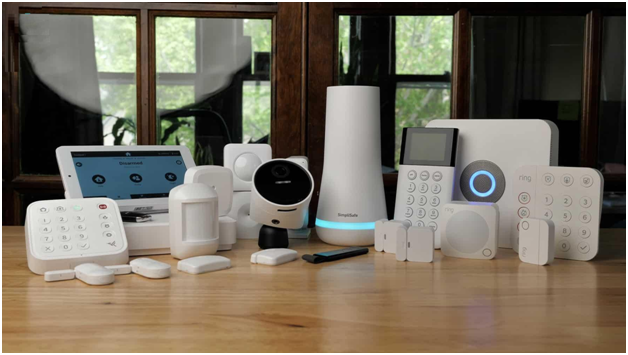

Security alarms have evolved from basic noise-makers into sophisticated systems that can detect, deter, and alert with impressive accuracy. As crime rates fluctuate and technology advances, the demand for reliable, smart, and efficient alarm systems continues to rise. Whether for residential or commercial use, choosing the right security alarm means understanding the must-have features that ensure optimal protection.
In this guide, we’ll explore the top features every modern security alarm should include. These components enhance security, reduce false alarms, and provide peace of mind for users, making them essential considerations for anyone in the market for a new or upgraded system.
Real-Time Monitoring and Alerts
One of the most critical features of any security alarm is real-time monitoring. Systems equipped with 24/7 monitoring ensure that any suspicious activity triggers an immediate response. These systems connect to professional monitoring centers that can dispatch emergency services when necessary.
Alongside monitoring, instant alerts sent via SMS, email, or app notifications allow users to stay informed about what’s happening on their property. Whether it’s an open window, motion detected in an off-limits area, or a fire alarm going off, being informed in real time is key to quick action.
Cloud-based monitoring solutions are especially popular now because they allow access from anywhere. With remote monitoring capabilities, homeowners and business operators can check on their property at any time, using a smartphone or laptop.
Motion Detection and Smart Sensors
Motion sensors are a staple of any effective alarm system. These sensors detect movement within a defined area and trigger alarms if unauthorized activity occurs. Advanced systems use infrared, microwave, or dual-technology sensors to improve accuracy and reduce false alarms caused by pets or environmental changes.
Smart sensors take this a step further. They can distinguish between different types of movements, recognize routine patterns, and even learn the habits of those within the building. This allows them to notify the user only when something truly unusual occurs, improving reliability and reducing unnecessary disturbances.
Glass break detectors, door/window sensors, and environmental sensors (for smoke, carbon monoxide, and flooding) complement motion detection and round out a well-integrated sensor suite.
Wireless Connectivity and Mobile Integration
Gone are the days of hardwired-only systems. Modern security alarms rely heavily on wireless connectivity, making installation easier and more flexible. Wireless systems are less vulnerable to tampering since there are no visible wires to cut. Plus, they are ideal for renters or those planning to move in the future.
Mobile integration is another key feature, allowing users to control their security systems from their smartphones. Apps let users arm or disarm systems, receive alerts, view security camera feeds, and even communicate with monitoring centers, all from a single dashboard. This control adds a layer of convenience that many users now consider essential.
High-Quality Surveillance Cameras
Video surveillance plays a major role in comprehensive security. Cameras serve as both a deterrent and a tool for recording incidents. High-definition (HD) cameras with night vision and wide-angle lenses ensure clarity and coverage, regardless of lighting conditions.
For maximum effectiveness, look for systems with cloud storage or local backup options to preserve footage. Some advanced systems offer facial recognition, motion tracking, and integration with smart home assistants. Two-way audio features are also becoming more common, allowing real-time communication through security cameras.
Having cameras linked directly to the alarm system creates a cohesive setup where visual verification can assist in confirming a real threat versus a false alarm.
Automation and Smart Home Compatibility
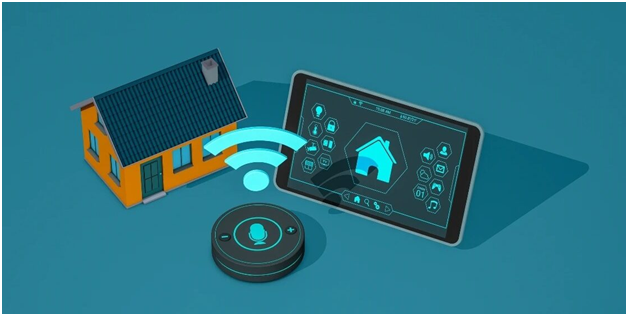
Smart home integration is no longer just a nice-to-have feature. Today’s users expect their security alarms to sync with other smart devices like lights, locks, thermostats, and voice assistants. Automation not only enhances convenience but also improves security.
For example, a system can be programmed to turn on outdoor lights when motion is detected at night or to lock all doors automatically when the alarm is armed. Integration with platforms like Amazon Alexa, Google Assistant, or Apple HomeKit allows voice control and unified operation across the home.
Automation ensures that your security system works in harmony with the rest of your smart home ecosystem, making it both powerful and user-friendly.
Reliable Power Backup
Power outages should never disable your alarm system. That’s why every good security alarm includes a reliable power backup option, typically in the form of a rechargeable battery.
This feature is crucial for maintaining protection during blackouts or if a would-be intruder attempts to cut the power supply. Battery backups usually offer several hours of runtime, ensuring that the system stays active until power is restored.
Some systems even send out notifications when they switch to backup mode, keeping users informed and aware of the situation.
Secure and User-Friendly Interface
The interface of a security alarm system, whether it’s a wall-mounted panel or a mobile app, should be intuitive and secure. Users should be able to arm or disarm the system, view logs, and adjust settings easily.
Biometric access such as fingerprint or facial recognition, two-factor authentication (2FA), and encrypted data transmission all add layers of security to prevent unauthorized access. A well-designed interface minimizes user error, which is often the cause of false alarms and other issues.
Visual feedback, such as LED indicators or voice prompts, also helps ensure the system is functioning correctly. These small touches make the system more accessible to all users, regardless of technical ability.
Easy Billing and Subscription Management
As many security systems now operate on a subscription basis, having a smooth billing and account management process is a must. Companies need to provide customers with clear pricing, flexible payment options, and transparent terms.
For security providers, managing billing operations efficiently requires reliable tools. That’s where solutions like alarm company billing software come into play. Such software streamlines customer billing, tracks payments, automates invoicing, and ensures financial transparency. It reduces the chances of missed payments or service interruptions, which could compromise customer trust and security.
Both customers and service providers benefit from a billing system that is integrated, accurate, and easy to use. This feature, although often behind the scenes, plays a crucial role in maintaining continuous service.
Customization and Scalability
Every property is different, and so are its security needs. That’s why a good alarm system should be customizable and scalable. Whether protecting a small apartment or a multi-building complex, the system should offer options that can grow with the user’s requirements.
This includes adding more sensors, cameras, or control panels as needed. Custom alerts, user profiles, and activity logs also allow for fine-tuning the system according to specific preferences or business operations.
Scalability is especially important for business owners who may expand locations or require tiered access for staff. A flexible system reduces the need for frequent replacements and long-term costs.
Conclusion
Choosing the right security alarm is about more than just preventing break-ins. It’s about creating a safe, responsive, and user-friendly environment that adapts to the needs of the user. With features like real-time monitoring, mobile integration, smart sensors, power backup, and seamless billing, today’s alarm systems are designed to offer complete protection.
Whether you’re a homeowner looking for peace of mind or a business seeking reliable security infrastructure, focusing on these key features will help you make a well-informed decision that safeguards what matters most.