
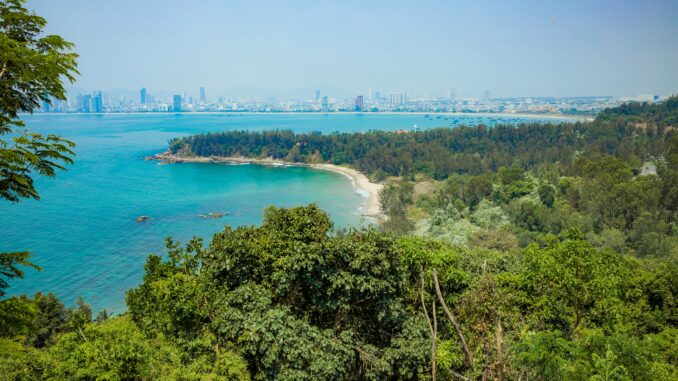

Vietnam’s Tourism Sector Gains Momentum
Feb 21: This week’s business and travel spotlight turns to Vietnam, where tourism is witnessing a strong resurgence backed by policy reforms, infrastructure expansion, and increasing international demand. As global travel stabilizes and regional mobility improves, Vietnam has positioned itself as one of Southeast Asia’s fastest-growing tourism economies.
Tourism is once again becoming a key GDP driver for the country, attracting hospitality giants, aviation companies, and real estate developers. Among all its destinations, one coastal city is capturing the attention of global investors and travel businesses alike — Da Nang.
Why Da Nang Is Leading Vietnam’s Tourism Growth Story
Da Nang has transformed from a relaxed beach town into a strategic tourism and investment hub. Its combination of natural beauty, infrastructure readiness, and investor-friendly environment makes it a compelling case study in tourism-led economic growth.
1. Strategic Coastal Advantage
Located along Vietnam’s central coast, Da Nang offers pristine beaches, mountain landscapes, and proximity to UNESCO heritage sites. Key attractions include:
Ba Na Hills – Famous for its Golden Bridge and resort developments
My Khe Beach – Recognized as one of Asia’s most attractive beaches
Hoi An Ancient Town – A heritage tourism magnet nearby
This cluster of leisure, heritage, and luxury tourism strengthens its global appeal.
2. Infrastructure & Aviation Expansion
Infrastructure investment is playing a major role in accelerating tourism growth:
Expansion of Da Nang International Airport capacity
New direct flight routes connecting India, South Korea, Japan, and Australia
Cruise tourism docking expansion
Smart city development initiatives
Improved air connectivity directly impacts visitor arrivals and boosts investor confidence.
3. Hospitality & Real Estate Investment Surge
The hospitality sector in Da Nang is witnessing robust expansion, including:
Luxury beachfront resorts
Branded residences
Boutique hotels targeting digital nomads
Mixed-use tourism developments
Global hotel chains are expanding footprints, while local developers are launching integrated resort communities. Compared to saturated markets like Bali and Phuket, Da Nang offers relatively competitive land pricing and higher growth potential.
4. Rise of Digital Nomad & Remote Work Tourism
Vietnam’s cost advantage, visa flexibility, and quality lifestyle are attracting remote professionals. Da Nang, in particular, offers:
Affordable luxury living
Co-working hospitality spaces
Strong Wi-Fi infrastructure
Coastal lifestyle appeal
The digital nomad segment contributes to long-stay occupancy, increasing average revenue per room (RevPAR) for hotels and serviced apartments.
5. MICE Tourism & Corporate Travel Growth
Meetings, Incentives, Conferences, and Exhibitions (MICE) are expanding in Da Nang. The city’s modern convention centers, beach resorts, and improved connectivity make it suitable for international corporate events.
Business tourism is especially valuable because:
Corporate travelers spend more per visit
Off-season travel stabilizes occupancy rates
Conference tourism attracts repeat business
This segment adds long-term stability to the tourism ecosystem.
6. Government Support & Policy Reforms
Vietnam’s government continues to ease investment procedures and encourage foreign participation in tourism-related projects. Policies supporting public-private partnerships and sustainable tourism development have enhanced investor confidence.
The broader Southeast Asia tourism market is expected to maintain steady growth, and Vietnam is strategically positioning itself as a premium yet accessible destination.
7. Sustainability & Long-Term Challenges
While growth is impressive, long-term sustainability remains critical. Rapid development may lead to:
Environmental strain
Coastal overdevelopment
Infrastructure congestion
Authorities are emphasizing eco-tourism frameworks, green construction standards, and environmental protection to ensure balanced growth.
Investment Outlook: Is Da Nang the Next Regional Powerhouse?
Compared to mature tourism hubs, Da Nang represents an emerging market opportunity. Its blend of leisure tourism, corporate travel, digital nomad demand, and real estate development creates a diversified growth model.
Key reasons investors are watching Da Nang closely:
Strong international visitor growth
Competitive property pricing
Government-backed infrastructure expansion
Strategic geographic positioning in Southeast Asia
Increasing global brand participation
As travel demand across Asia rebounds, Da Nang stands at the intersection of tourism growth, hospitality innovation, and infrastructure-driven expansion.
Conclusion: A Destination to Watch This Week
Vietnam’s tourism resurgence is not merely a recovery story — it is a strategic transformation. With Da Nang at the center of this growth narrative, the city is rapidly evolving into one of Southeast Asia’s most promising travel and investment destinations.
For business readers tracking global tourism markets, hospitality expansion, and emerging investment corridors, Da Nang offers a compelling case of how infrastructure, policy, and natural appeal can align to create sustained economic momentum.
As 2026 unfolds, all signs indicate that this coastal Vietnamese city may well redefine the region’s next tourism success story.