
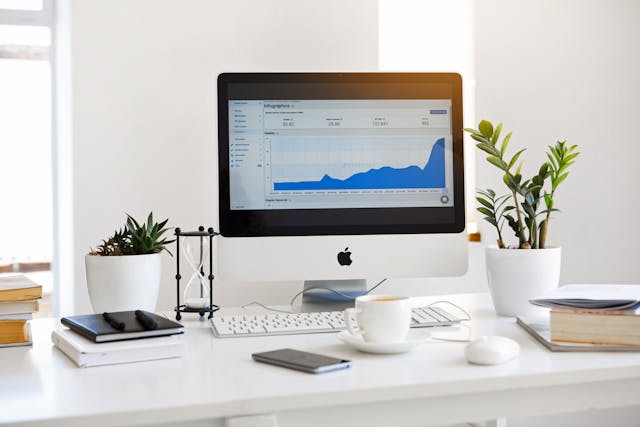

In a world where work often follows us home—through laptops, smartphones, and endless notifications—the need for balance has never been greater. Many people operate in spaces that blur the line between productivity and pressure, leaving little room for mental recovery.
But a workspace does not have to feel intense or overwhelming. With thoughtful design and intentional habits, it can become a place that supports both high performance and genuine relaxation. The idea is simple: create an environment that helps you concentrate when it’s time to work and unwind when the day is done.
Light With Intention: Setting the Emotional Tone
Lighting plays a powerful role in how we think and feel. Bright, harsh overhead lights can increase fatigue, while layered and natural lighting creates comfort and clarity.
Position your desk near a window if possible. Daylight enhances alertness and improves mood, helping you stay energized without overstimulation. As evening approaches, shift to softer, warm-toned lamps that signal a gentle transition away from intense focus.
Limiting blue light exposure later in the day—by adjusting screen settings or using filters—can also improve sleep quality. When lighting aligns with your body’s rhythm, it becomes easier to shift from productivity to rest.
Ergonomic Harmony: Comfort as a Productivity Tool
Physical strain often leads to mental exhaustion. A workspace that supports your posture can significantly reduce stress.
Keep your screen at eye level to avoid neck tension. Ensure your forearms rest comfortably parallel to the floor while typing. Use a chair that supports the lower back, or add a cushion to maintain spinal alignment.
Incorporating movement throughout the day—such as alternating between sitting and standing—improves circulation and energy. When your body feels balanced, your mind remains clearer and more focused.
Clear Space, Clear Mind: The Power of Simplicity
Visual clutter competes for attention. A desk crowded with unnecessary items can subtly increase anxiety and reduce efficiency.
Streamline your workspace by keeping only what you truly need within reach. Store other materials neatly out of sight. This creates a calm visual field that allows your thoughts to flow more freely.
Personal touches, such as a favorite photograph or a simple piece of artwork, can add warmth without distraction. Adding greenery introduces a natural element that softens the space and promotes relaxation.
A simplified environment reduces mental noise and enhances intentional work.
Designing a Gentle Pause Zone
To fully support well-being, your workspace should include room for short breaks. Even a small, designated area for rest can make a meaningful difference.
A comfortable chair, a soft throw, or a small rug can signal a shift in energy. This separate corner becomes a place to stretch, breathe, or briefly close your eyes between tasks.
Managing sound levels—through quiet surroundings or soft background audio—also contributes to calm. Subtle sensory details, such as soothing scents, can further enhance the sense of ease.
These small adjustments create an atmosphere where productivity and peace coexist.
The Art of Transition: Ending the Workday with Intention
A healthy workspace is not only about how you begin your day, but how you end it.
Develop a consistent closing routine. Shut down your computer, organize your desk, and prepare a short list of priorities for tomorrow. This signals completion and prevents unfinished thoughts from lingering.
Establish clear digital boundaries by turning off notifications at a specific time each evening. Protecting your personal hours reinforces the separation between work and rest.
A deliberate transition transforms your workspace from an always-on zone into a balanced environment.
A Space That Reflects Balance
When thoughtfully arranged, your workspace becomes more than a desk and chair. It becomes an ecosystem that supports both productivity and recovery. Light, comfort, organization, and routine all work together to reduce stress and enhance clarity.
True efficiency does not come from constant intensity. It comes from balance—focused effort during work hours and meaningful rest afterward.
By designing a workspace that encourages both, you create not just a place to work, but a space that sustains your well-being.