
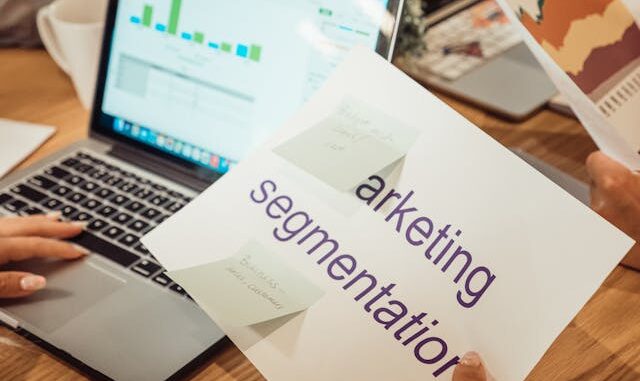

Small businesses today face fierce competition, rapidly changing consumer behavior, and constant technological advancements. With more than half of buyers researching products online before making a purchase, having a strong digital presence is no longer optional—it’s critical. Digital marketing has emerged as a key driver for growth, enabling businesses to reach the right audience, maximize impact, and measure results in real time.
Why Digital Marketing Fuels Growth
Digital marketing combines data, technology, and analytics to deliver tailored messages to the right people at precisely the right time. Whether a business operates locally or aims for a broader market, digital channels often provide faster and more predictable results than traditional advertising.
Investing in professional digital marketing services helps small businesses build brand recognition, attract the right customers, and grow profitably. One major advantage is the ability to track campaign performance live and adjust strategies based on results, reducing wasted spend and increasing returns.
Targeted marketing, especially location-based strategies, ensures businesses connect with customers who are actively seeking their products or services. This precision builds trust and drives sustainable growth over time.
SEO: The Backbone of Long-Term Success
Search engine optimization (SEO) is essential for long-term visibility. Businesses that rank on the first page of search results gain credibility and are more likely to be chosen by potential customers. Local SEO is particularly effective for small businesses aiming to dominate their communities.
Unlike paid ads, the impact of SEO grows over time. A well-optimized website attracts continuous traffic, increases brand awareness, and establishes authority in the market, making it one of the most cost-efficient ways to grow a small business.
Paid Advertising for Immediate Impact
While SEO builds a long-term foundation, paid advertising delivers fast results. Platforms like Google Ads and social media allow businesses to target audiences by location, behavior, and interests. This precision ensures high-quality leads and quicker conversions.
Paid campaigns are most effective when combined with optimized landing pages and messaging tailored to the audience’s needs. Together with SEO, paid ads create a balanced strategy for both immediate and long-term growth.
Preparing for Future Challenges
As businesses approach 2026, technological and operational challenges—such as AI adoption, cybersecurity, automation, and digital transformation—will continue to grow. Digital marketing equips businesses to navigate these changes through analytics, automation tools, and data-driven insights for informed decision-making.
Businesses leveraging digital strategies remain adaptable, competitive, and ready to capitalize on emerging trends instead of being disrupted by them.
Choosing the Right Digital Marketing Partner
Successful digital marketing depends on strategic execution. Partnering with a reliable agency ensures your campaigns are well-planned, transparent, and aligned with your business goals rather than chasing short-term tactics.
The right partner acts as an extension of your team, guiding you through industry trends, tools, and platforms efficiently. This collaboration ensures marketing efforts reach the intended audience while driving measurable growth.
Conclusion
Digital marketing is a powerful engine for small business growth. By integrating SEO, paid advertising, social media, and data-driven strategies, businesses can:
- Build stronger brand visibility
- Attract targeted and qualified leads
- Increase conversions and revenue
- Adapt to changing market dynamics
- Prepare for future technological challenges
For small businesses in 2026, embracing digital marketing isn’t just about keeping up—it’s about staying ahead. With the right strategies and partners, businesses can grow efficiently, connect with their audience, and achieve sustainable long-term success.