

Woven Rebellion: How Odisha’s Gen Z Is Redefining Fashion, Identity, and Conscious Style
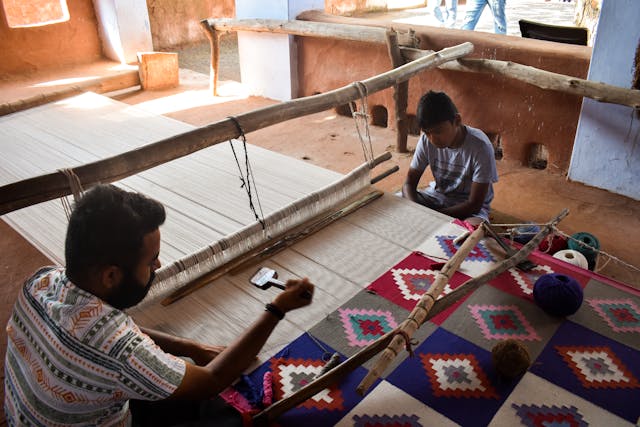
In a time when fashion is often driven by fleeting trends and mass production, a quieter yet far more meaningful movement is unfolding in eastern India. In Odisha, Generation Z is crafting a new fashion language—one that blends handwoven heritage with contemporary expression, sustainability with style, and local pride with global relevance. This movement, now widely recognized as Woven Rebellion, is not simply about what young people wear. It is about who they are, where they come from, and how they choose to be seen.
Rooted in centuries-old textile traditions and powered by digital culture, Woven Rebellion represents a bold shift in India’s fashion narrative—away from metro-centric trends and toward a self-defined, culturally grounded identity.
The Rise of Woven Rebellion
Odisha has long been celebrated for its rich weaving traditions—Sambalpuri Ikat, Bomkai, Kotpad, Khandua, and Pasapalli, among others. For decades, these textiles were admired as cultural treasures, often reserved for ceremonial wear. Today, Odisha’s Gen Z is reimagining them for everyday life.
This reimagining is not accidental. It reflects a deeper desire among young people to challenge conventional fashion hierarchies and reclaim cultural ownership. Instead of looking outward for validation, they are turning inward—drawing inspiration from their own histories, landscapes, and communities.
Social media has played a pivotal role in amplifying this shift. Platforms like Instagram and Pinterest have become digital runways where young creators showcase handloom-styled streetwear, thrifted outfits paired with Ikat, and gender-fluid silhouettes rooted in tradition. These platforms allow Odisha’s youth to tell their own stories—visually, authentically, and without intermediaries.
A New Fashion Identity Rooted in Heritage
What distinguishes Odisha’s Gen Z fashion movement is its intentional embrace of local heritage. Sambalpuri Ikat and Bomkai are no longer confined to sarees or formal attire. They now appear in oversized shirts, contemporary dresses, jackets, co-ord sets, and casual everyday wear.
This shift reflects a broader cultural mindset. Young Odias are seeking authenticity over imitation, individuality over conformity. By integrating handloom into modern silhouettes, they are proving that tradition does not need to remain static—it can evolve naturally with time.
More importantly, this revival of handloom is not performative. It is lived. These textiles are worn to colleges, cafés, creative workplaces, and social gatherings, making heritage visible and relevant in daily life.
Sustainability as a Way of Life
Sustainability is not a trend for Odisha’s Gen Z—it is a core value. Raised in an era of climate awareness and digital transparency, this generation is acutely conscious of fashion’s environmental and social costs.
As a result, thrifting, upcycling, and slow fashion have become central to their style philosophy. Second-hand clothing is celebrated for its uniqueness. Old garments are redesigned into new forms. Fast fashion is increasingly questioned, if not outright rejected.
Handloom fits seamlessly into this mindset. It is inherently sustainable—crafted from natural fibers, produced without industrial excess, and designed to last. By choosing handwoven textiles, young consumers support ethical production, local livelihoods, and a slower, more thoughtful approach to fashion.
Breaking Gender Norms Through Style
Another defining aspect of Woven Rebellion is its rejection of rigid gender norms. Odisha’s Gen Z is embracing fashion without boundaries, where clothing is no longer dictated by traditional labels of masculinity or femininity.
Handloom garments are styled across identities—draped, layered, oversized, or deconstructed based on personal expression rather than prescribed rules. Jewelry, silhouettes, and textures are chosen for meaning and comfort, not conformity.
This shift reflects a broader cultural awakening. Fashion becomes a medium through which young people explore identity, freedom, and self-confidence. In this space, tradition is not restrictive—it is liberating.
Digital Platforms as Cultural Amplifiers
The digital world has transformed how fashion narratives are created and shared. For Odisha’s youth, social media is not just a tool for visibility—it is a space for cultural authorship.
Through reels, styling videos, and visual storytelling, Gen Z creators highlight:
-
The stories behind handwoven fabrics
-
The weavers and villages that produce them
-
Innovative ways to style traditional textiles
This digital presence has pushed Odisha handloom into global conversations around sustainable and craft-led fashion. Without losing cultural depth, these textiles are now being appreciated as contemporary design statements.
The Stories Woven into Fabric
Every Odisha handloom carries a story. Motifs often symbolize rivers, temples, agricultural cycles, folklore, and spiritual beliefs. These patterns are not decorative—they are narrative.
Gen Z’s renewed interest in these textiles stems from a desire to reconnect with these stories. By wearing handloom, they are not just making a fashion choice—they are participating in cultural continuity.
Young designers and consumers act as bridges between generations, ensuring that ancestral knowledge is not lost but reinterpreted for the present.
Building a Local Fashion Ecosystem
Woven Rebellion is also reshaping Odisha’s fashion economy. Young designers, stylists, and consumers are consciously supporting local weavers, artisans, and small-scale producers. This has led to the emergence of a localized fashion ecosystem that values collaboration over mass production.
Instead of relying on external fashion capitals, Odisha’s youth are creating their own spaces—online and offline—where local craftsmanship is celebrated. This movement strengthens community ties while fostering economic sustainability.
Fashion as Cultural Expression
At its core, Woven Rebellion is about expression with purpose. Odisha’s Gen Z is proving that fashion can honor the past while speaking confidently to the present.
By blending traditional textiles with contemporary aesthetics, embracing sustainability, rejecting rigid norms, and leveraging digital platforms, they are redefining what Indian fashion can look like—diverse, inclusive, and deeply rooted.
A Movement of Confidence and Consciousness
Woven Rebellion is not a passing trend. It is a cultural shift driven by confidence, creativity, and consciousness. It reflects a generation that understands its heritage, questions its consumption, and expresses itself without apology.
As Odisha’s Gen Z continues to shape this movement, they are not just redefining fashion—they are redefining identity. In doing so, they offer a powerful reminder: the future of style does not lie in abandoning tradition, but in wearing it forward with pride and purpose.