
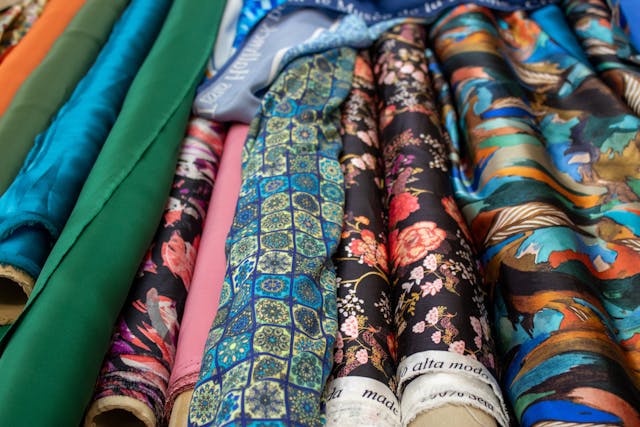

Fashion in 2026 is no longer defined by excess or uniformity. It is personal, responsive, and increasingly responsible. At the centre of this quiet transformation is digital textile printing—a technology that has changed not just how fabrics are printed, but how fashion is imagined, produced, and experienced.
Once seen as an experimental alternative to traditional printing methods, digital textile printing has matured into a powerful creative and strategic tool. In an era where individuality matters as much as sustainability, it has become a natural ally for designers and brands navigating the demands of modern fashion.
The Shift from Scale to Sensibility
For decades, the fashion industry relied on mass production. Traditional rotary and screen printing dominated because they were fast, economical, and efficient for producing thousands of identical garments. But today’s fashion consumer wants more than speed and volume—they want meaning, originality, and connection.
Digital textile printing supports this shift. By allowing designs to be printed directly from digital files onto fabric, it eliminates the need for screens and complex setup. This means designers can create intricate patterns, layered colours, and photographic details with ease—without committing to large production runs.
Fashion, once rigidly seasonal, is now fluid. Digital printing enables brands to move at the pace of culture.
Creativity Without Constraints
What sets digital textile printing apart is its creative freedom. Colour gradients, fine linework, hand-drawn illustrations, and experimental motifs are no longer limited by cost or complexity. Each metre of fabric can tell a different story.
For designers, this means faster sampling, real-time experimentation, and the ability to refine ideas without waste. Prototypes that once took weeks can now be produced in days, allowing collections to evolve organically rather than being locked in months in advance.
In an industry driven by visuals, this precision and flexibility are game-changing.
Sustainability as Standard, Not Statement
Sustainability is no longer a marketing message—it is a baseline expectation. Digital textile printing aligns seamlessly with this new reality.
Compared to traditional methods, digital printing uses significantly less water, less energy, and fewer chemicals. Inks are applied only where needed, reducing runoff and material waste. Many systems now use water-based or low-impact inks, further lowering environmental impact.
More importantly, digital printing supports on-demand production. Brands can print what they sell, not sell what they print. This shift reduces overproduction, excess inventory, and the growing problem of textile waste—one of fashion’s most urgent challenges.
Where Digital Printing Fits—and Where It Doesn’t
Despite its rise, digital textile printing does not replace all traditional techniques. For extremely high-volume, budget-sensitive garments, rotary screen printing remains faster and more cost-effective. Certain heavy or textured fabrics still benefit from traditional methods that offer deeper colour penetration.
But modern fashion is no longer driven solely by volume. Luxury labels, independent designers, sustainable brands, and niche fashion houses are choosing digital printing for its precision, agility, and ethical advantages.
It is not about replacing tradition—it is about choosing the right tool for the right purpose.
Beyond the Runway
Digital textile printing has expanded fashion’s reach beyond clothing. From scarves and accessories to interior textiles and lifestyle products, printed fabric is now part of a broader design language.
Home décor, soft furnishings, and limited-edition textiles allow fashion to enter everyday spaces, blurring the line between apparel and lifestyle. In this way, digital printing supports a more holistic approach to design—one that values versatility and personal expression.
Technology with a Human Touch
While the process is driven by advanced machines, digital textile printing remains deeply human at its core. Designers remain in control of the narrative, using technology to enhance—not replace—their creativity.
Techniques such as direct-to-textile printing for natural fibres and sublimation printing for synthetics allow designers to work across materials while maintaining quality and colour integrity. The result is fabric that feels intentional, thoughtful, and modern.
The Future in Print
As fashion looks ahead, digital textile printing continues to evolve. Innovations such as biodegradable inks, AI-assisted customization, hybrid printing systems, and low-energy machinery are shaping a more responsible production landscape.
The focus is shifting toward zero-waste workflows, smarter materials, and personalised design experiences—all areas where digital printing excels.
A New Fashion Essential
Digital textile printing is no longer a trend or a technical upgrade. It is a reflection of fashion’s changing values—where creativity, sustainability, and speed must coexist.
In the modern fashion era, the most powerful designs are not just seen; they are considered. Digital textile printing proves that the future of fashion lies not in producing more, but in designing with intention, precision, and care.
And in this new chapter, fabric is no longer just printed—it is thoughtfully created.