

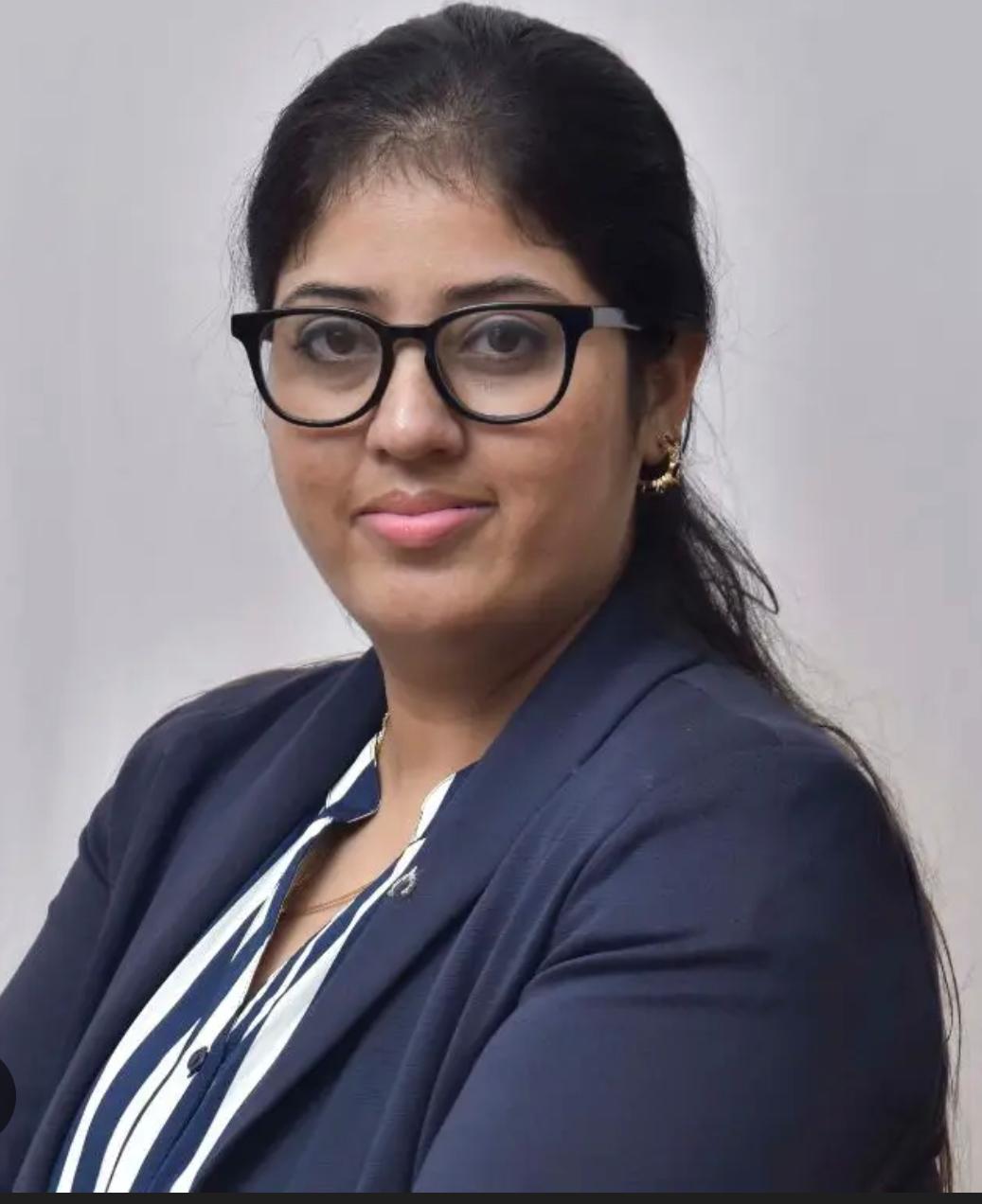
By – Dr. Prabhjot Kaur, Consultant & Head of Pediatric Neurology, KIMS Cuddles, Sec-bad.
As the clock strikes midnight tonight, landmarks across the globe will glow in brilliant blue – a symbol of unity on World Autism Awareness Day, observed every April 2nd since 2008 under the United Nations banner. Here in Hyderabad, at KIMS Cuddles, we join this movement not just with lights, but with knowledge and compassion. As a pediatric neurologist with over a decade of experience in neurodevelopmental disorders, I’ve witnessed firsthand how early awareness can rewrite the story of countless children and families. Today, I share my insights to dispel myths, highlight hope, and urge you – parents, educators, and communities – to become part of the solution.
Autism Spectrum Disorder (ASD) is more than a diagnosis; it’s a lifelong neurodevelopmental condition that shapes how individuals perceive and interact with the world. Globally, the Centers for Disease Control and Prevention (CDC) estimates that 1 in 36 children(up to) is identified with ASD, with boys diagnosed four times more often than girls. In India, while exact figures are elusive due to underdiagnosis, studies from the Indian Academy of Pediatrics suggest prevalence rates around 1 in 100 urban children. The “spectrum” nature means no two cases are identical: some children might excel in pattern recognition or memory but struggle with social cues, while others face profound communication challenges alongside sensory sensitivities.
From my clinic at KIMS Cuddles, I’ve seen the subtle red flags emerge as early as infancy. Parents often recount how their toddler avoided eye contact during play, fixated intensely on spinning objects, or melted down over changes in routine – like a preferred toy being moved. Delayed speech milestones, such as not babbling by 12 months or losing acquired words by 18 months, are common. Repetitive behaviors, like hand-flapping or lining up toys meticulously, and sensory quirks – hypersensitivity to lights, sounds, or textures – paint the picture. If your child lines up cars obsessively instead of pretending to drive them, or shies away from cuddles, these aren’t just quirks; they could signal autism. Early screening tools like the Modified Checklist for Autism in Toddlers (M-CHAT) can flag risks before age two, opening doors to intervention that dramatically improves outcomes.
Yet, stigma and misinformation hinder progress. Let me bust some pervasive myths head-on. No, vaccines do not cause autism – exhaustive studies, including a landmark Danish cohort of over 650,000 children, confirm this unequivocally. Parenting styles aren’t to blame either; autism stems from a complex interplay of genetics (over 100 genes implicated) and early brain development factors, possibly influenced by prenatal exposures. And crucially, autism isn’t a “disease” to cure. It’s a different wiring of the brain, often accompanied by extraordinary gifts: hyper-focus leading to expertise in math, music, or art. Think of historical figures like Albert Einstein or modern icons like Temple Grandin, whose autistic traits fueled groundbreaking contributions.
At KIMS Cuddles, our approach is holistic and evidence-based. We start with gold-standard diagnostics: detailed developmental histories, play-based observations, and tools like the Autism Diagnostic Observation Schedule (ADOS). From there, we craft individualized plans. Applied Behavior Analysis (ABA) breaks skills into manageable steps, reinforcing positives to build communication and social abilities – studies show up to 47% of children achieving typical functioning with intensive early ABA. Speech and occupational therapies address language delays and sensory integration, while medications manage co-occurring issues like anxiety or ADHD when needed. Parent training is key; I empower families with strategies like visual schedules to ease transitions, turning daily battles into smooth routines.
In Telangana, where rapid urbanization brings unique stressors, autism support lags. Rural families travel miles for specialists, and cultural taboos silence open discussion. That’s why KIMS Cuddles is stepping up: this April, we’re hosting free awareness workshops across hyderabad, screening camps in partnership with local anganwadis, and virtual consultations via our app. We’ve trained over 200 teachers in inclusive practices, ensuring schools celebrate neurodiversity rather than isolating it. Imagine a classroom where an autistic child’s love for puzzles becomes a group project, fostering friendships instead of exclusion.
Success stories fuel my passion. Take little Aarav, referred at 20 months for non-verbalism and meltdowns. Today, at four, he chats fluently, plays with peers, and even leads storytime at preschool – thanks to early therapy and parental commitment. Or Priya, now 10, whose sensory aversions once confined her indoors; occupational therapy unlocked her artistic talent, earning her school awards. These aren’t rarities; with intervention before age three, 25-30% of children “lose” their diagnosis, per long-term studies.
As we puzzle together – the jigsaw symbol of autism’s complexity – let’s commit to action. Parents: Track milestones using apps like CDC’s Milestone Tracker and consult pediatricians promptly. Educators: Embrace universal design for learning, with quiet corners and clear instructions. Policymakers: Invest in nationwide screening and therapist training, as Kerala’s model shows scalable success. Employers: Create neurodiverse hiring programs, tapping untapped talents.