
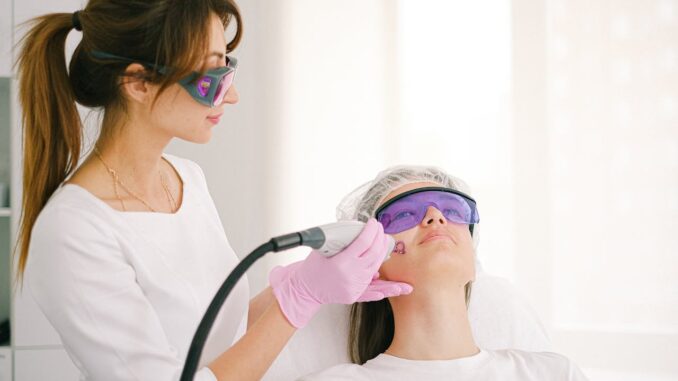

Treating pigmentation—especially melasma—is rarely about quick fixes. Most effective plans involve multiple sessions of lasers, chemical peels, or other in-clinic treatments combined with long-term maintenance. However, going too aggressive too fast can backfire, causing rebound pigmentation, skin irritation, or even worsening discoloration.
If you’re looking for a top melasma clinic Singapore, working with experienced dermatologists helps ensure safe, effective multi‑session treatment without over‑treating.
Understanding Why Pigmentation Treatment Requires Multiple Sessions
Melasma Is a Chronic Condition
Melasma is a persistent pigmentation disorder often driven by genetics, hormones, UV exposure, and environmental factors. Because of this, the goal isn’t “erase once and for all”—it’s long-term control. Over-treating with aggressive laser settings can disrupt melanocytes (pigment cells) and trigger post-inflammatory hyperpigmentation (PIH).
Different Pigmentation Types Respond Differently
- Epidermal pigmentation: Located in the top layer of skin, usually responds faster to chemical peels, IPL, or Q-switched lasers.
- Dermal pigmentation: Found deeper in the skin; often requires higher-penetration lasers like picosecond lasers, with careful settings to avoid complications.
- Mixed-depth pigmentation: Combines both epidermal and dermal components, often requiring a combination of modalities.
Understanding your pigmentation type helps your dermatologist plan safe session spacing and treatment intensity.
Why “More” Is Not Always Better
Risk of Post-Inflammatory Hyperpigmentation (PIH)
Using high-energy or inappropriate lasers for melasma can worsen pigmentation instead of improving it. In darker skin tones, overtreatment may provoke PIH or “confetti” pigmentation, which is much harder to clear.
Skin Recovery Matters
After each session, the skin needs time to heal, and pigment needs time to disperse. Overlapping treatments too closely can overstimulate melanocytes, resulting in rebound pigmentation and prolonged inflammation.
Personalized Protocols Are Key
Every patient’s melasma is unique—in depth, pattern, triggers, and skin type. A multi-session plan should be customized, combining lasers, prescription creams, and maintenance skincare. Instead of aggressive clearance, your dermatologist should create a staged strategy that balances safety and effectiveness.
Multi-Session Treatment Modalities: Overview and Cost Considerations
1. Laser Treatments
Q-Switched Nd:YAG Lasers
- Best for: Epidermal pigmentation and superficial melasma.
- Session duration: 15–30 minutes.
- Downtime: Minimal; temporary redness may last a few hours.
- Cost per session: $250–500.
Picosecond Lasers
- Best for: Deeper dermal pigmentation.
- Advantages: Ultra-short pulses minimize heat buildup, reducing risk of PIH.
- Session duration: 20–40 minutes.
- Cost per session: $400–800.
Fractional Lasers
- Best for: Pigmentation combined with texture issues.
- Mechanism: Creates micro-injuries stimulating collagen while treating pigment.
- Downtime: 5–7 days of redness, swelling, and bronzing.
2. Chemical Peels
- Superficial peels: Glycolic, salicylic acid; remove top layers, promote pigment shedding.
- Medium-depth peels: Trichloroacetic acid (TCA); penetrate dermal papilla for stubborn pigmentation.
- Frequency: Every 2–4 weeks for superficial peels, monthly or bi-monthly for medium-depth.
- Cost per session: $150–400, depending on peel type.
3. Intense Pulsed Light (IPL)
- Best for: Mixed pigmentation and vascular issues.
- Mechanism: Broad-spectrum light targets multiple chromophores, stimulating collagen.
- Downtime: Minimal; mild redness 2–4 hours.
- Cost per session: $200–450.
4. Topical and Maintenance Therapies
- Prescription creams: Hydroquinone, tretinoin, corticosteroid combinations.
- Non-hydroquinone alternatives: Kojic acid, arbutin, vitamin C.
- Purpose: Reduce melanogenesis between professional sessions.
- Cost: $50–150 per month.
Planning Multi-Session Treatments Safely
1. Conservative Initial Approach
Start with low-fluence or low-energy settings to observe skin response. Patch tests on small areas prevent large-scale PIH. Gradually escalate intensity in subsequent sessions if the skin tolerates it well.
2. Spacing and Scheduling
- Laser treatments: Typically 4–6 weeks apart.
- Chemical peels: 2–4 weeks apart depending on depth.
- IPL: Every 3–6 weeks.
Spacing allows melanocytes to stabilize, pigment to disperse, and skin to heal fully.
3. Combining Modalities
- Alternating lasers with chemical peels enhances results while reducing per-session intensity.
- Combining professional treatments with topical maintenance prevents rebound pigmentation and reduces long-term costs.
4. Emphasizing Sun Protection
- Broad-spectrum sunscreen with SPF 50+ is essential.
- Reapply every 2–3 hours if outdoors.
- Physical protection: hats, umbrellas, or UV protective clothing.
Maintenance and Long-Term Skincare
Maintaining results after multi-session treatments is just as critical as the sessions themselves.
Daily Skincare Routine
- Gentle cleanser: Avoid harsh scrubs that trigger irritation.
- Moisturizer: Keeps skin barrier intact; reduces inflammation and rebound pigmentation.
- Sunscreen: Daily, all year.
Weekly or Monthly Maintenance
- Light chemical exfoliation if recommended.
- Antioxidant serums (Vitamin C, niacinamide) to reduce pigment triggers.
- Re-evaluation by dermatologist every 3–6 months.
Lifestyle Factors
- Minimize heat exposure (saunas, hot yoga).
- Manage stress, which can trigger hormonal pigment changes.
- Hormonal factors like pregnancy or oral contraceptives may require treatment adjustments.
Budgeting for Multi-Session Pigmentation Treatments
Understanding Cost Components
- Consultation fees: $80–150 per visit.
- Laser or peel sessions: $150–800 per session depending on modality.
- Prescription topicals: $50–150/month.
- Sun protection & maintenance products: $50–200/month.
- Optional add-ons: Patch testing, digital skin analysis, imaging, or specialized serums.
Cost-Saving Strategies
- Purchase treatment packages instead of single sessions; reduces per-session cost.
- Ask about installment plans if paying for multiple sessions upfront.
- Combine laser and peel sessions strategically for efficiency and cost-effectiveness.
- Use generic prescription topicals where appropriate.
Patient Experiences and Lessons Learned
Key Takeaways from Dermatology Clinics
- Patients who start conservatively see more stable results.
- Aggressive single-session treatments often lead to setbacks.
- Consistency in skincare and sun protection is the biggest factor in preventing recurrence.
- Clear communication with your dermatologist helps manage expectations for results and recovery times.
Realistic Expectations
- Significant improvement in pigmentation typically requires 4–8 sessions.
- Maintenance may require quarterly visits after initial clearance.
- Full clearance is possible, but recurrence risk remains without ongoing preventive measures.
Questions to Ask Your Dermatologist Before Committing
- What is my pigmentation type, and how does it affect treatment choice?
- Which laser or modality will you use, and why is it suited to my skin?
- How many sessions are expected, and what is the spacing between them?
- What are the expected side effects, downtime, and recovery guidelines?
- How will we monitor results, and when will adjustments be made?
- What is your maintenance plan post-treatment to prevent recurrence?
Risks to Be Aware Of (and How to Mitigate Them)
| Risk | Mitigation Strategy |
| Post-inflammatory hyperpigmentation (PIH) | Conservative laser settings, staged treatments, strong sun protection |
| Skin irritation or burns | Patch testing, low-energy first session, monitoring |
| Pigmentation relapse | Maintenance therapy, sun avoidance, lifestyle adjustments |
| Over-treatment | Slow, staged sessions, close dermatologist supervision |
Choosing the Right Clinic Matters
- Experienced dermatologists understand melasma’s chronic nature.
- Clinics emphasizing medical dermatology (not just cosmetic lasers) are better equipped for safe multi-session protocols.
- Combining professional treatments with medical-grade topicals maximizes safety, effectiveness, and long-term pigment control.
Conclusion
Multi-session pigmentation treatment requires balance: aggressive sessions may accelerate results but increase risks, while slow, staged approaches maximize long-term safety. By combining lasers, chemical peels, topical therapies, and maintenance routines—and by following your dermatologist’s guidance—you can achieve long-lasting pigmentation control without over-treatment.
Planning a realistic treatment schedule, committing to sun protection, and budgeting for maintenance products and follow-up sessions ensures sustainable results. With proper guidance from a top melasma clinic Singapore, you can navigate pigmentation management effectively and safely.
Photo by Anna Shvets: