
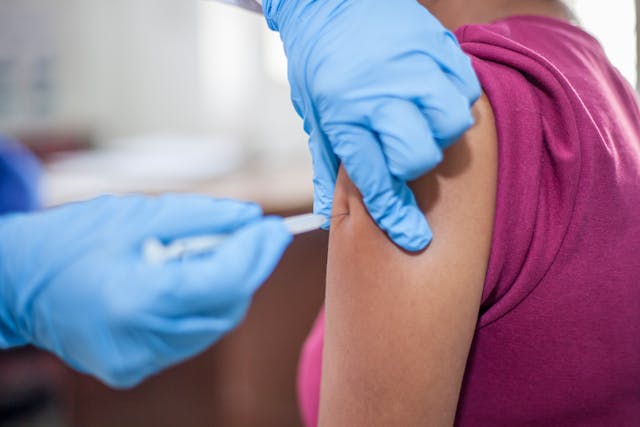

In a landmark step for women’s health, India launched a nationwide HPV (Human Papillomavirus) vaccination programme on February 28, 2026, spearheaded by Prime Minister Narendra Modi in Ajmer, Rajasthan. This initiative aims to protect young girls from cervical cancer, a disease that affects thousands of women in India every year. Alongside the national launch, states and union territories have begun local vaccination campaigns, ensuring widespread access across the country.
The programme targets approximately 1.15 crore girls aged 14 years, providing the vaccine free of cost at government health facilities. Girls who turn 15 within 90 days of the programme’s launch are also eligible for vaccination as part of an intensive three-month campaign. Beyond this initial drive, the HPV vaccine will continue to be available during routine immunization schedules, ensuring long-term protection.
Understanding Cervical Cancer and HPV
Cervical cancer is one of the most common cancers among women globally and in India. The disease is primarily caused by persistent infection with high-risk HPV strains, particularly types 16 and 18. In India, cervical cancer remains the second most common cancer among women, with over 1,20,000 new cases reported annually and nearly 80,000 deaths. Alarmingly, India accounts for nearly 25% of global cervical cancer deaths, highlighting the urgent need for preventive interventions.
The good news is that cervical cancer is preventable. HPV vaccines can dramatically reduce the risk of infection and, consequently, the development of cancer. Administered before a person is exposed to the virus, the vaccine provides safe, long-lasting protection and significantly lowers the likelihood of cervical cancer in adulthood.
The Vaccine: Gardasil-4
India’s programme uses the Gardasil-4 vaccine, which protects against four HPV types: 16 and 18 (the main culprits behind cervical cancer) and 6 and 11 (responsible for genital warts). The vaccine meets strict quality and cold-chain standards and is procured through a transparent mechanism in partnership with Gavi, the Vaccine Alliance.
The global success of HPV vaccination programmes offers compelling evidence. In countries with established vaccination policies, infections with high-risk HPV types have dropped by up to 88% among teenage girls, and pre-cancerous cervical changes in young women have decreased significantly.
Reaching Every Corner of India
States and Union Territories are rolling out vaccination campaigns in parallel with the national drive. For example:
-
In Uttar Pradesh, the campaign is targeting around 46 lakh adolescent girls, with doses available at hospitals and health centres.
-
Telangana has begun immunizing an estimated 3.5–4 lakh girls, starting with district hospitals and expanding to primary health centres.
-
Odisha aims to vaccinate over 3 lakh adolescent girls, while Nagaland has launched drives across multiple districts.
Health workers are leveraging digital tracking tools to monitor coverage, ensure follow-up doses, and educate communities about the vaccine’s benefits and safety.
Why HPV Vaccination is Essential
HPV is highly common, and most people are infected at some point in their lives. While the virus often clears on its own, persistent infections with high-risk types can lead to cancer. Vaccination provides the most effective protection against these infections.
The programme also helps normalize preventive healthcare in India, particularly for adolescent girls, encouraging families and communities to adopt vaccination as a routine part of public health.
Safety and Effectiveness
HPV vaccines are safe and highly effective. Common side effects are mild and may include temporary soreness at the injection site, low-grade fever, or fatigue. Serious adverse reactions are extremely rare. Studies tracking vaccinated populations for over a decade show lasting immunity, with protection against cancer-causing HPV strains remaining strong over time.
This evidence reinforces that the benefits of vaccination far outweigh the risks, offering life-saving protection to millions of girls across India.
A Step Toward a Healthier Future
India’s HPV vaccination drive is not just a public health initiative—it is a commitment to the next generation of women. By immunizing young girls before exposure to HPV, the country is taking a major step toward reducing the burden of cervical cancer, improving women’s health, and strengthening community well-being.
Success depends on continued collaboration between governments, healthcare workers, educators, and families. Awareness campaigns, community engagement, and consistent follow-up are crucial to ensure that every eligible girl receives the vaccine.
With sustained efforts, India is poised to make cervical cancer largely preventable, offering hope for a future where young women can thrive without fear of a preventable disease. This initiative represents not only scientific progress but also a profound social commitment to women’s health and equality.