

You just walked out of the hair transplant clinic, scalp tender and bandaged. Excitement mixes with worry as you wonder about the road ahead. The real work starts now, turning those fresh grafts into a full head of hair.
Many folks fear the early days will ruin the results. Liv Hospital Truth is, with smart post-operative care, you can ease through it. This guide breaks down the hair transplant recovery timeline from hour one to full growth. You’ll learn key steps for FUE and FUT recovery to get the best outcome. Stick to your surgeon’s plan, and you’ll see why patience pays off.
Section 1: The Critical First 48 Hours After Hair Transplant Surgery
The first two days set the tone for your healing. Your body fights mild shock from the procedure. Focus on rest to let those grafts take hold.
Managing Initial Discomfort and Swelling
Swelling hits fast, often around the forehead and eyes. Keep your head raised on pillows while you sleep. This cuts fluid buildup and eases pain.
Your doctor will hand you meds for discomfort. Take them as directed, usually every four to six hours. Skip aspirin or blood thinners unless cleared—they can spark bleeding.
Avoid touching the scalp at all costs. Hands carry germs that could harm new grafts. If swelling worsens, call your clinic right away.
For cold compresses, wrap ice in a cloth and hold it near the area for 10 minutes at a time. Do this every hour, but never press directly on the grafts. This trick helps without risking damage.
First Look at the Grafts: Assessing Immediate Placement
Right after surgery, your scalp looks red and dotted with tiny scabs. The grafts sit like small plugs in neat rows. It might shock you, but this is normal.
Redness fades in a day or two. Scabs form to protect the sites. Don’t pick at them—patience keeps everything in place.
The International Society of Hair Restoration Surgery notes that some inflammation is standard. It shows your body healing, not a problem. Track changes and snap photos to share with your team.
Donor Area Care: Protecting the Harvest Site
In FUE, the back of your head has small punch marks. FUT leaves a thin strip scar. Both need gentle treatment.
Your surgeon might bandage the spot lightly or leave it open. Follow their lead to avoid infection. Keep it dry and clean.
Wear loose hats if you go outside, but only if approved. Sun can irritate the skin. Rest on your back to prevent rubbing against pillows.
Section 2: Week One Recovery: Scabbing, Washing, and Protecting Grafts
By day three, you start feeling more like yourself. Scabs appear, and washing becomes a must. Handle this phase with care to shield your investment.
The First Hair Wash: Mastering the Technique
Most clinics say wait until day two or three for your first rinse. Use lukewarm water—hot can loosen grafts too soon.
Pour water gently over the scalp. HAIR TRANSPLANT Recovery Process Let it run down without force. Pat dry with a soft towel, no rubbing.
Stick to the baby shampoo your doctor gave you. Lather lightly with your fingers, then rinse slow. Do this twice a day to keep things clean.
- Step 1: Sit under a gentle shower stream.
- Step 2: Cup water in hands and trickle it over the top.
- Step 3: Dab shampoo on, avoiding pressure.
- Step 4: Rinse fully and air dry if possible.
This method keeps grafts secure while fighting buildup.
Dealing with Post-Op Scabs and Crust Formation
Scabs build as your skin seals the wounds. They look like pepper flakes on the scalp. This phase lasts about a week.
Start to see them loosen around day seven. By day 10 to 14, most fall off on their own during washes. Forcing them risks pulling out hairs.
To remove hair transplant scabs safely, keep washing soft. If one sticks, dab with saline spray from your kit. Never scratch or peel.
Resist the urge to comb through. Let nature do the work. Your new hairs grow beneath, safe and sound.
Avoiding Major Setbacks: Identifying Red Flags
Watch for trouble signs that mean call your surgeon now. Excessive bleeding from a spot could signal issues.
Severe pain that meds don’t touch needs attention. Pus, fever, or bad smells point to infection. Reputable clinics see infection rates under 1%, but stay alert.
Other red flags include grafts lifting or big swelling spikes. Act fast to fix them. Better safe than sorry in FUE or FUT recovery.
Section 3: Weeks Two Through Four: The Shock Loss Phenomenon
Things calm down after week one. live and feel You might spot hairs falling out. Don’t panic—this is part of the process.
Understanding and Anticipating Shock Loss
Shock loss happens when transplanted hairs shed. Even some native strands nearby drop. It’s your body’s way to reset.
Follicles shift to a rest phase called telogen. A hair expert might say, “This trauma triggers shedding, but roots stay alive.” New growth kicks in later.
Expect this around weeks two to four. Up to 80% of grafts could shed. It’s temporary, not a setback.
Why does it feel like failure? You waited for this fix, and now hair vanishes. Hang in there—stronger ones come back.
Recovery of the Donor Area and Sensation Changes
Donor spots heal with pink skin turning normal. Itchiness comes as scars form. Scratch lightly or use lotion if okayed.
In the transplant zone, numbness or tingles pop up. Nerves wake slowly over months. This fades with time.
For FUT, the strip line tightens then loosens. FUE dots blend in quick. Both areas regain feeling by week four.
Keep the donor clean and moisturized. Avoid tight hats that pull. Your scalp thanks you.
Resuming Light Activity and Sleep Patterns
By week two, head back to desk work if you feel up to it. No heavy bending or lifting over 10 pounds.
Strenuous exercise waits until week four. Sweating irritates healing skin. Sun exposure? Slather on SPF 50 and wear a cap.
Sleep flat now, but still prop up a bit. Side sleeping risks graft shifts. Use silk pillowcases for less friction.
Ease in with walks. Build stamina slow. You’ll feel ready for more soon.
Section 4: Months One to Three: Early Regrowth and Maintenance Focus
Past the first month, hope sparks. Tiny hairs poke through. This stage builds your new look.
Identifying Early Signs of New Hair Growth
Around month two, fine vellus hairs appear. They look thin and light, not like your old locks.
Patchy spots show first. Density builds slow, so don’t judge too soon. What starts sparse thickens up.
Patients often say it feels like baby fuzz. By month three, more emerge. Track progress with monthly pics.
This early regrowth in the hair transplant recovery timeline proves the grafts work. Stay consistent.
Medications and Growth Support Protocols
Doctors often suggest Minoxidil to boost growth. Apply it twice daily once scabs gone.
Finasteride cuts DHT, that hormone shrinking follicles. Take pills as prescribed for months.
PRP shots inject your blood plasma for extra help. Do them if your clinic recommends. Consistency matters—skip doses, and results lag.
Talk to your team about combos. They tailor plans to you. Support therapies speed the path to full hair.
Hair Styling and Product Restrictions Lifted
At four weeks, try light styling. Skip gels or sprays until month two.
Hair dyes wait until six weeks. Test a small spot first for reactions.
Cuts? Go for trims after four weeks, but no buzzers near grafts. Let your barber know your story.
Normal routines return bit by bit. Enjoy the freedom as healing advances.
Section 5: The Long Haul: Months Four Through Twelve and Final Results
Growth accelerates now. Patience turns to pride as density fills in. You’re in the home stretch.
The Maturation Phase: Density and Texture Improvement
Vellus hairs turn coarse by month four. They gain color and strength.
Peak density hits months six to nine. Gaps close as thousands of follicles activate. Your mirror shows real change.
Texture matches natives over time. Curl or straight? It settles like the rest.
This phase rewards your post-operative care efforts. Watch the transformation unfold.
Final Assessment and Long-Term Hair Health
Full results land at 12 to 18 months. Grafts survive at 90-95% rates with good follow-through.
Check in with your surgeon for tweaks. Maintain native hair with gentle care.
Use sun block and balanced diet for lasting health. Avoid tight styles that stress roots.
Long-term success means blending old and new seamlessly. You’re set for years.
Addressing Minor Post-Transplant Concerns
Some notice hair direction shifts. Minor angles differ but look natural.
Texture tweaks might need touch-ups. Rare, but options like PRP fix them.
If concerns linger, book a follow-up. Most settle without issue. Your final look shines.
Conclusion: Maximizing Your Hair Transplant Investment Through Diligent Recovery
Recovery breaks into clear phases: guard grafts in week one, ride out shock loss in month one, wait patient for growth from months four to 12. Each step builds on the last.
Adherence to your post-op plan decides success. Follow it close, and your transplant thrives.
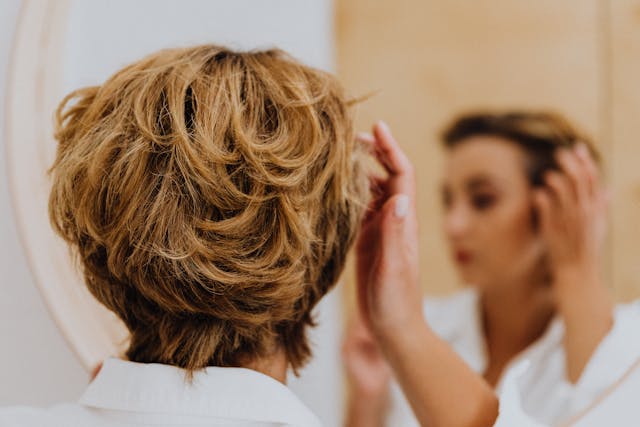
Photo by www.kaboompics.com: