
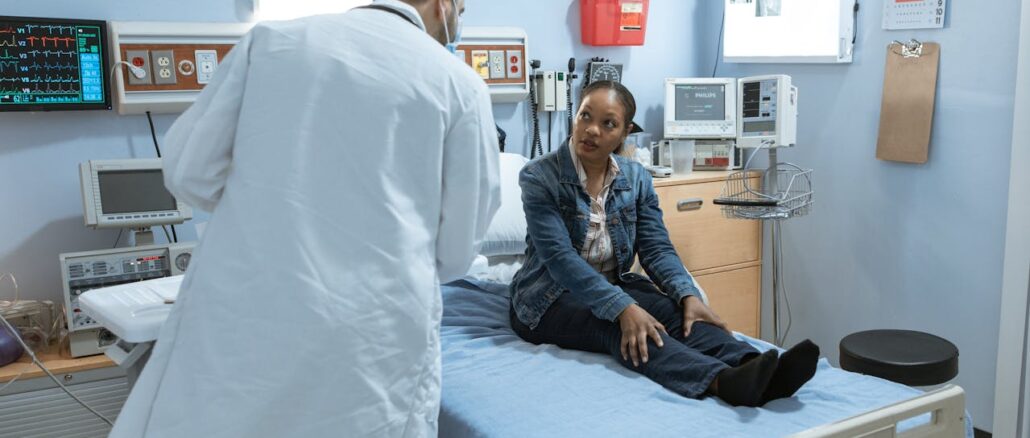

Varicose veins affect millions of adults and can go beyond cosmetic concerns, causing aching, swelling, and reduced mobility. For busy professionals, online business owners, or agency managers, untreated veins can become a distraction from daily tasks. A vein doctor near the Warehouse District provides expert evaluation and treatment, identifying underlying venous insufficiency and offering solutions from conservative management to minimally invasive procedures. This guide explains what varicose veins are, how specialists diagnose them, the full spectrum of treatment options, and practical steps for selecting a trusted clinician and recovering efficiently, giving readers clear, actionable guidance without medical jargon.
What are Varicose Veins and Who Gets Them?
Varicose veins are enlarged, twisted veins most commonly found in the legs. They develop when venous valves that normally keep blood flowing toward the heart weaken or fail, allowing blood to pool and veins to dilate. Visually, they appear as blue or purple cords under the skin and can be accompanied by aching, heaviness, cramps, or itchiness.
Who gets them? Risk factors include:
- Age: Valve function declines over time.
- Genetics: Family history significantly raises risk.
- Gender: Women are more often affected, partly due to hormonal influences.
- Pregnancy: Increased blood volume and pressure on pelvic veins contribute.
- Prolonged standing or sedentary jobs: Both reduce efficient venous return.
- Obesity and prior leg injury.
Not everyone with visible veins will have symptoms, but even asymptomatic varicose veins can progress. For professionals who schedule long hours at a desk or stand for client events, recognizing early signs and finding a trusted varicose vein specialist for clear, healthy legs helps prevent complications and maintain quality of life.
Why Choosing a Trusted Vein Specialist Matters
Selecting an experienced, trusted varicose vein specialist for clear, healthy legs affects both outcomes and long-term vascular health. Vein care has advanced quickly: where open surgery was once common, minimally invasive techniques now produce equal or better outcomes with less downtime. That progress means patient results vary with provider skill and judgment.
Key reasons to prioritize a trusted specialist:
- Accurate diagnosis: Differentiating between superficial varicose veins, deep venous insufficiency, and other causes of leg swelling avoids ineffective treatments.
- Procedure selection: An expert recommends the least invasive, most effective option, whether conservative care, sclerotherapy, radiofrequency ablation, or ambulatory phlebectomy.
- Reduced recurrence and complications: Proper mapping and treatment of underlying reflux lowers recurrence rates and reduces the risk of DVT or skin changes.
- Personalized care and follow-up: Trusted clinicians provide tailored recovery plans and monitoring to protect long-term vein health.
Common Diagnostic Tests and What to Expect During Evaluation
A thorough vein evaluation is the first step toward clear, healthy legs. A trusted varicose vein specialist for clear, healthy legs will typically perform the following:
- Medical history and physical exam: The clinician assesses symptoms, risk factors, prior treatments, and inspects the legs standing and supine.
- Venous insufficiency testing: In some practices, additional functional tests (e.g., plethysmography) quantify venous return, though ultrasound usually suffices.
What patients should expect during the evaluation:
- Preparation: Light clothing and comfortable shorts allow full leg access. No special fasting is needed.
- Time: A complete assessment and ultrasound typically takes 30–60 minutes.
- Questions: Expect specific inquiries about leg pain patterns, swelling, skin changes, and family history.
- Follow-up plan: After imaging, the specialist explains findings, treatment options, and likely outcomes.
Treatment Options: From Self-Care to Minimally Invasive Procedures
Treatment for varicose veins spans conservative measures to advanced, office-based procedures. The right choice depends on symptom severity, ultrasound findings, and patient goals.
Conservative and supportive care
- Compression therapy: Graduated compression stockings improve symptoms and slow progression. They’re often first-line and useful post-procedure.
- Activity and weight management: Regular walking, leg elevation, and maintaining a healthy weight reduce venous pressure.
- Medication: Symptom-relief agents (e.g., venoactive drugs) may help, but don’t correct reflux.
Minimally invasive procedures (common today)
- Endovenous thermal ablation (radiofrequency or laser): Uses heat via a catheter to close refluxing saphenous veins. Most patients return to normal activity in days.
- Ultrasound-guided foam sclerotherapy: A chemical irritant collapses smaller veins and tributaries. It’s effective for many superficial veins and can be combined with ablation.
- Ambulatory phlebectomy: Small incisions remove bulging surface veins, typically performed under local anesthesia for cosmetic relief.
- Nonthermal, non-tumescent techniques (e.g., mechanochemical ablation, cyanoacrylate glue): Reduce recovery time by avoiding heat and large volumes of anesthetic.
Surgery remains appropriate in select complex cases, but modern specialists reserve it for refractory scenarios. A trusted varicose vein specialist for clear, healthy legs will recommend the least invasive approach that addresses the underlying reflux, not just visible veins, optimizing both results and recovery.
How to Choose the Right Vein Specialist for Your Needs
Choosing the right clinician matters more than choosing a flashy clinic. Practical criteria include:
- Board certification and fellowship training: Look for vascular surgery, interventional radiology, or phlebology credentials and continuing education in vein care.
- Experience with minimally invasive techniques: Ask about annual procedure volumes and outcomes for the specific interventions recommended.
- Use of ultrasound for diagnosis and treatment planning: Facilities that perform in-office duplex scans provide clearer, evidence-based plans.
- Transparent pricing and follow-up care: A trusted varicose vein specialist for clear, healthy legs provides clear cost estimates, explains what’s covered, and outlines follow-up visits.
- Patient reviews and before/after galleries: Real-world outcomes and patient stories offer insight into results and bedside manner.
- Accessibility and logistics: Consider clinic location, anesthesia options, and scheduling flexibility relevant to a busy work life.
Preparing for Treatment and Tips for Faster Recovery
Preparation and recovery habits substantially influence results. Practical steps a specialist will recommend include:
Before treatment
- Arrange logistics: Plan transport for procedures that require sedation and schedule light-duty days afterward.
- Review medications: Blood thinners or supplements may need temporary adjustment under medical guidance.
- Wear comfortable clothing: Loose pants and easy-on shoes simplify post-procedure comfort.
After treatment, recovery tips
- Walk early and often: Short, frequent walks improve venous return and reduce clot risk.
- Compression stockings: Wear as directed to control swelling and support healing.
- Manage pain conservatively: Over-the-counter analgesics and ice packs usually suffice; stronger meds are rarely needed.
- Avoid prolonged sitting or standing for the first few days: Alternate positions and elevate legs when possible.
- Follow-up duplex scan: Ensures treated veins remain closed and rules out complications.
Most patients resume normal activities within a few days and return to exercise in 1–2 weeks, depending on the procedure. For high-performing professionals, this rapid recovery minimizes lost productivity and helps maintain momentum at work.
Conclusion
A trusted varicose vein specialist for clear, healthy legs combines accurate diagnosis, evidence-based treatment, and individualized recovery planning. When evaluating options, prioritize credentials, ultrasound-driven care, transparent outcomes, and realistic recovery timelines. With the right specialist, clear, healthy legs are an achievable, low-downtime investment in quality of life and professional performance.