
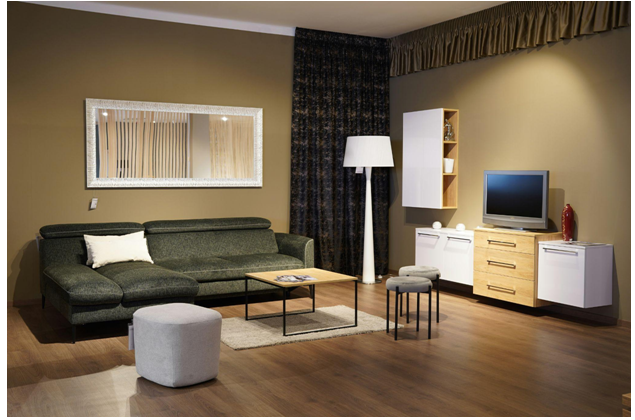

Photo by Albero Furniture Bratislava on Unsplash
Ordering furniture online is almost like participating in a lottery, a high-stakes gamble, with the reward being not only a considerable pile of cash but also your personal comfort in your home. The user is attracted by an image on the screen, yet subconsciously feels anxious about the size of the sofa in relation to the room or about the color of the upholstery in relation to the wall.
The Paralysis of Choice in the Digital Age
The modern consumer in the United States is overwhelmed with options, yet paradoxically struggles to make a final decision. When hundreds of pages with armchairs appear before your eyes, the brain starts searching for the slightest reason to postpone the purchase to avoid making a mistake, since the logistics of returning large items are always stressful and time‑consuming. Standard product grids with white backgrounds no longer succeed at convincing buyers, as they lack context and fail to inspire trust.
This is exactly when high‑quality showroom software comes to the rescue, fundamentally changing the rules of the game by turning passive scrolling into an active creative process. It is not just a marketing gimmick for a website but a functional tool that allows the customer to try furniture on in a virtual space that is as close to reality as possible. When a person can arrange items themselves, change the configuration, and see the result inside an interior, their confidence in the correctness of the choice increases dramatically.
Why Traditional E‑Commerce Falls Short
Traditional online stores have long ignored the fact that furniture is an emotional and spatial purchase. Standard studio photos, even when taken by professionals in high resolution, often mislead the buyer. They create an idealized picture where the lighting is set unnaturally, and the room proportions are distorted by a wide‑angle lens.
Customers regularly face a mismatch between expectations and reality across several critical parameters:
- Scale and proportion perception within a specific room layout;
- Texture visualization under different lighting conditions;
- Color harmony between new furniture and existing decor elements.
These factors become the main drivers of returns, which literally destroy retailer margins. Returning a T‑shirt is one thing, but arranging reverse delivery of a sectional sofa is something else entirely. Implementing interactive solutions helps eliminate these objections at the selection stage, transferring the experience of physical interaction into the browser window, yet many companies still hesitate to integrate such tools, relying on outdated methods.
The Financial Impact of Returns
The issue of returns in furniture retail is especially acute given the cost of last‑mile logistics. Statistics show that a significant portion of returns happen not because of defects but because the item did not fit or did not look as expected. These are direct losses that cannot be compensated for by simply raising prices, as competition in the market is too high.
By using visualization technologies, this is rather a preventive approach. As the customer sees how a certain table model fits into their virtual kitchen, he or she already mentally assumes responsibility for that choice. Thus, this shows very small chances that the impulsive purchase made on a whim will be done, and such an approach to shopping benefits both sides of the transaction.
The Technical Edge of Immersive Retail
Visualization technologies have made a huge leap compared to the early, clumsy attempts to introduce AR, which required installing third‑party apps. Today, we are talking about photorealistic rendering that works directly in the browser. Performance is critically important here; any delay or interface complication pushes the customer toward a competitor whose website loads faster. This is why platforms like Zolak focus on delivering high-performance, photorealistic environments that don’t require heavy plugins.
| Feature comparison | Static catalog | 360-degree viewer | Interactive virtual showroom |
| User engagement time | Low (approx. 2 mins) | Medium (approx. 4 mins) | High (up to 12 mins) |
| Conversion rate impact | Baseline | +10-15% increase | +40-60% increase |
| Return rate probability | High (20-30%) | Moderate (15-20%) | Low (<10%) |
| Customer confidence | Minimal | Partial | Complete visualization |
| Setup complexity | Very low | Low | Moderate |
Data in the table clearly demonstrates the superiority of dynamic content over static content, and it is important to note that interactive showrooms keep the user’s attention several times longer.
Transforming Hesitation Into Conversion
The psychology of sales works flawlessly here; the more time and effort a person invests in interacting with a product, the more they begin to feel it as “theirs.” The ability to customize a space and change fabrics, textures, and layouts creates a sense of ownership even before the actual purchase. The customer stops being a passive observer and becomes a co‑creator of their interior.
Modern solutions allow users to save created projects and share them with family members or a designer. This brings the user back to the site again and again, creating additional touchpoints with the brand. Moreover, the process of “playing” with furniture placement removes the stress of decision‑making, turning a routine choice into an engaging activity similar to the computer game Sims, but with real‑world results.
And although some retailers fear that implementing such technologies is a complex and expensive process requiring a team of developers, in reality, modern SaaS solutions integrate quite easily, often through an API or ready‑made widgets. The main challenge lies not in the code but in digitizing the catalog, yet even this process is now automated thanks to neural networks and procedural generation.
The Future of Furniture Retail
The market is relentlessly moving toward hyper‑interactivity, and companies that remain with flat 2D catalogs risk losing a new generation of buyers accustomed to digital comfort. The future belongs to retailers who can offer the customer not just a product but confidence in every click, and virtual furniture try‑on is the bridge that must be built today.