
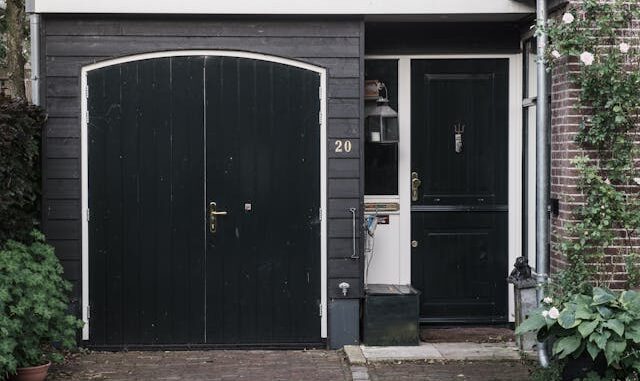

A garage shed should feel like it belongs in daily life, shaped by how space is actually used around the home. A car garage often becomes part of routines without much thought, which is why access, layout, and storage habits tend to matter more once everything is in place.
With that in mind, the next section looks at practical choices that usually shape whether the space works smoothly over time.
Define the Primary Day-to-Day Use
Your routine usually shows what the shed needs to handle once the novelty wears off. You may notice some days revolve around pulling vehicles in and out, while other days turn into short work sessions or slow storage build-up.
This often comes up when people are designing a home, especially if the shed is planned after the main spaces feel settled. Low clearance can start to feel restrictive when doors lift higher than expected. Tight walkways become noticeable once tools stay out. Thinking about how you actually use the space helps it stay workable over time.
Check Available On-Site Space and Access
The way you move in and out of the shed often reveals problems before measurements ever do. You might picture yourself pulling in late, tired, steering a little wider than planned, or opening a door while watching the fence line. Those moments matter more than a neat site plan.
This is also where outbuilding and shed planning permits tend to come into play, since access and placement are closely linked. If everyday movement already feels awkward in your head, that feeling usually shows up even more once the structure is standing.
Allow for Long-Term Space Requirements
Plan the shed with future use in mind, even if today’s needs feel settled. You will notice pressure on space the moment a bulky item arrives and there is no clear place to put it. Storage will start creeping into walkways, then stacking will follow, and access will feel awkward. Extra wall height gives you room to move storage upward when floor space tightens. Added depth supports larger equipment staying in place day after day, without forcing constant reshuffling.
Assess Structural Strength for Local Conditions
Look at how the structure will cope with the conditions you live with, not ideal weather. You will notice build quality when wind picks up, rain drives sideways, or doors get used repeatedly in a short space of time. Frames and roof systems across Australia deal with constant exposure, especially on open blocks. A well-built shed tends to feel solid underfoot and steady at the openings. That strength supports heavier fittings and stored items, so daily use feels dependable instead of something you handle carefully or work around.
Select Functional Add-Ons That Improve Use
Decide on add-ons by thinking through how you will actually use the shed from morning to evening. When you step inside carrying tools or equipment, good lighting becomes noticeable straight away because you can see without stopping to adjust. As daily patterns settle, a side access door often proves useful for quick trips that do not involve opening the main door. Insulation starts to matter once you spend longer periods inside. Over time, these choices shape comfort and usability in ways you feel during normal routines.
Reach out to Best Sheds to talk through what you need and see how a customised shed could fit your space and routine across Australia.
Photo by Haberdoedas Photography: