
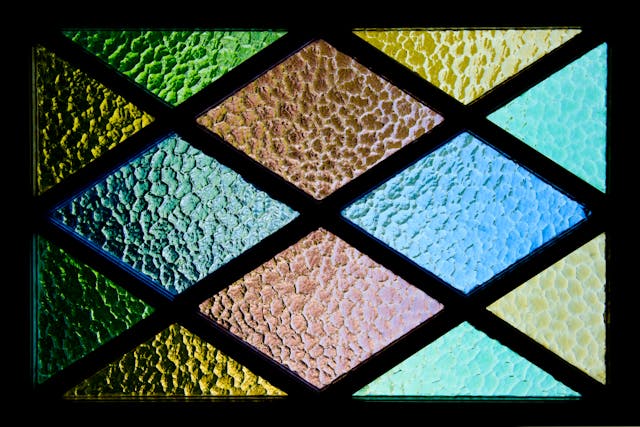

Stained glass, once associated mainly with churches and heritage buildings, has found a fresh place in modern home design. Today, it is increasingly used in contemporary interiors, bringing together artistry, privacy, and natural light in a way few materials can achieve. From elegant window panels to decorative main door inserts, stained glass has evolved into a versatile design feature that adds character and sophistication to living spaces.
Unlike plain glass, stained glass introduces patterns and textures that transform the way light enters a room. Instead of harsh glare, sunlight filters through the glass softly, creating a warm and welcoming atmosphere. At the same time, it offers privacy without completely blocking natural light, making it an ideal choice for both windows and doors in modern homes.
The Growing Popularity of Stained Glass in Contemporary Interiors
Modern architecture often emphasises openness, natural lighting, and distinctive design elements. Stained glass fits perfectly into this philosophy. Homeowners and designers now use it not just for decorative purposes but also as a functional design component that enhances the overall mood of a space.
Whether placed in a living room window, a hallway panel, or a main entrance door, stained glass creates a focal point that immediately captures attention. It can complement both traditional and modern interiors, making it a flexible option for a wide range of architectural styles.
Popular Stained Glass Designs for Windows and Doors
Several styles of stained glass are now being incorporated into residential spaces, each offering a unique design effect.
Antique-inspired stained glass brings a sense of timeless charm to interiors. With detailed patterns and classic craftsmanship, it works particularly well in traditional homes or spaces that embrace a heritage-inspired aesthetic. When used on entrance doors or French-style doors, it creates an elegant and welcoming appearance.
Bevelled glass designs feature angled cuts that reflect and scatter light across the surface. This design adds depth and subtle texture to windows and doors, making it suitable for homes with clean, symmetrical interiors.
Cathedral-style stained glass is known for its simplicity. The design allows plenty of natural light to pass through while maintaining a refined and minimal look. It is often used in hallway windows, folding doors, or other areas where brightness is desired without overwhelming decoration.
Glue-chip stained glass has a distinctive frosted texture that resembles delicate natural patterns. This style is particularly effective in areas where privacy is important, such as bathrooms or partition windows, as it allows light to pass through while obscuring direct visibility.
Iridescent stained glass is often chosen for more artistic or contemporary spaces. Its reflective surface interacts with changing light throughout the day, creating subtle visual movement within the room.
Opalescent stained glass offers a softer and more diffused lighting effect. With its gentle surface texture, it works well in living rooms, bedrooms, or relaxation spaces where a calm atmosphere is desired.
Leaded stained glass designs are created by joining individual glass pieces with lead strips. This technique allows for detailed patterns and geometric arrangements, making it a popular option for decorative door panels and statement windows.
Laminated stained glass combines artistic design with modern durability. By sealing the artwork between layers of glass, this style provides added strength and safety, making it suitable for frequently used doors and large window installations.
Sculptured stained glass designs are often used in premium interiors. Their detailed craftsmanship and dimensional appearance make them ideal for statement entrances, feature walls, or decorative door panels.
Art Nouveau stained glass features flowing patterns inspired by nature. The organic shapes bring softness and movement to a space, making them ideal for homes that favour artistic or nature-inspired décor.
Faceted stained glass designs use thicker glass pieces that reflect light in distinctive ways. These panels often serve as decorative highlights within modern interiors.
Semi-antique stained glass offers a classic look while remaining lighter and more adaptable to contemporary architecture. It blends traditional craftsmanship with modern practicality, making it suitable for transitional interiors.
- Why Stained Glass Works Well with Modern Aluminium Windows and Doors
When paired with high-quality aluminium frames, stained glass becomes both visually appealing and highly functional. Aluminium structures provide strength, durability, and slim profiles that allow stained glass panels to stand out while maintaining structural integrity.
Modern aluminium systems are designed for long-term performance, requiring minimal maintenance while offering excellent resistance to environmental wear. They also support advanced locking systems and durable finishes, ensuring that both style and safety are maintained.
This combination allows homeowners to enjoy the artistic appeal of stained glass while benefiting from the reliability and practicality of modern window and door systems.
Incorporating Stained Glass into Home Décor
Introducing stained glass into a home does not require an elaborate design overhaul. Even a small panel in a window or a decorative insert in a door can significantly transform the appearance of a room.
For entryways, stained glass panels create an inviting first impression while allowing natural light into the foyer. In living areas, larger panels or corner windows can act as artistic focal points. In private spaces such as bathrooms or hallways, textured stained glass offers privacy while maintaining brightness.
The key is to select patterns that complement the overall design of the home. Simple designs work well in minimalist interiors, while intricate patterns can enhance traditional or decorative spaces.
A Blend of Art and Function
Stained glass continues to prove that traditional craftsmanship can adapt beautifully to modern architecture. Its ability to combine design, privacy, and natural light makes it a valuable element in contemporary homes.
Whether used in windows, doors, or decorative panels, stained glass adds a sense of individuality that plain glass often cannot achieve. When integrated thoughtfully with modern materials and architectural planning, it transforms everyday spaces into environments that feel both artistic and welcoming.
In today’s homes, stained glass is not just a decorative feature—it is a design statement that connects timeless artistry with modern living.