
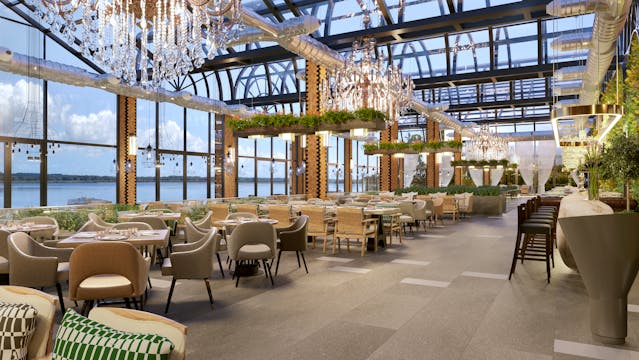

In today’s competitive hospitality landscape, restaurant interiors must do far more than look attractive. Every square foot must function with purpose. For owners and operators—especially in dynamic markets like Texas—design is no longer just decoration. It is strategy.
Smart restaurant interior design transforms common space challenges into opportunities for growth. From maximizing seating capacity to enhancing guest flow, reinforcing brand identity, and adapting to evolving dining behaviors, thoughtful design directly impacts profitability, guest satisfaction, and long-term sustainability.
This is where design meets performance.
Why Strategic Design Matters More Than Ever
Modern diners expect more than a meal—they seek atmosphere, efficiency, comfort, and connection. At the same time, rising operational costs and fluctuating guest volumes require restaurants to operate with precision.
A well-designed space accomplishes several goals simultaneously:
-
Optimizes layout without overcrowding
-
Improves staff efficiency and workflow
-
Enhances guest comfort and privacy
-
Reinforces brand identity
-
Supports regulatory compliance
-
Increases revenue per square foot
When design is approached as a business tool rather than an aesthetic afterthought, it becomes one of the most powerful assets in your operation.
Maximizing Seating Without Sacrificing Comfort
One of the most common challenges in restaurant design is increasing capacity while maintaining an enjoyable dining experience. Overcrowding creates discomfort; excessive open space reduces revenue potential.
Smart solutions include:
Flexible Floor Plans
Modular furniture, movable partitions, and adaptable seating allow you to reconfigure the layout for lunch rushes, private events, or quieter service periods.
Strategic Zoning
Dividing the space into intimate booths, communal tables, bar seating, and lounge areas caters to diverse guest preferences while maximizing efficiency.
Multi-Functional Furniture
Convertible banquettes, collapsible tables, and dual-purpose seating enable seamless transitions between service styles.
The goal is balance—density without discomfort.
Enhancing Guest Flow and Operational Efficiency
Inefficient layouts lead to bottlenecks, delayed service, and frustrated staff. Intelligent restaurant interior design addresses circulation patterns from the outset.
Clear Pathways
Well-defined entry and exit routes reduce congestion at host stands, restrooms, and payment areas.
Optimized Kitchen Placement
Positioning the kitchen for quick access—while maintaining visual separation—improves service speed without disrupting ambiance.
Smart Service Stations
Strategically placed beverage stations and server hubs minimize unnecessary movement, improving productivity and turnover rates.
Efficient flow creates a smoother experience for both guests and staff, directly impacting satisfaction and profitability.
Designing Compact Spaces with Impact
Smaller restaurants face unique challenges—but limited square footage does not mean limited presence.
Effective strategies include:
-
Vertical storage and wall-mounted shelving
-
Built-in cabinetry beneath banquettes
-
Mirrors and glass partitions to visually expand space
-
Light-reflective finishes to create openness
-
Compact, multi-use furniture
With the right approach, even the smallest footprint can feel intentional, inviting, and spacious.
Creating a Cohesive Brand Experience
Your restaurant’s interior should communicate your identity instantly. In competitive markets, brand clarity builds loyalty.
Signature Materials and Color
Consistent palettes, textures, and finishes reinforce recognition and unify the environment.
Integrated Storytelling
Artwork, custom graphics, curated décor, and subtle design motifs can communicate your concept without occupying valuable floor space.
Social Media Appeal
Statement features—murals, lighting installations, or branded backdrops—encourage guests to share their experience online, turning design into organic marketing.
When branding is embedded into every design touchpoint, your space becomes memorable and unmistakable.
Solving Acoustic and Privacy Challenges
Noise is a common issue in high-energy restaurants, especially when tables are closely spaced. Addressing acoustics is essential for comfort.
Effective solutions include:
-
Upholstered seating and acoustic wall panels
-
Textured finishes that absorb sound
-
Partial dividers or planters for subtle separation
-
Soft ceiling materials and strategic flooring choices
A vibrant atmosphere should feel lively—not overwhelming. Controlled acoustics enhance both intimacy and refinement.
Lighting as a Spatial Solution
Lighting does more than illuminate—it shapes perception.
Layered Lighting
Combining ambient, task, and accent lighting creates flexibility throughout the day.
Feature Fixtures
Statement pendants or sculptural lighting draw attention to focal areas such as bars or open kitchens.
Natural Light Integration
Large windows, glass doors, and skylights expand visual space while reducing energy costs.
Thoughtful lighting design makes compact areas feel larger and establishes mood instantly.
Flexible Layouts for Evolving Needs
The hospitality industry is constantly changing. Your design should be adaptable.
-
Mobile partitions for private events
-
Reconfigurable tables and seating
-
Outdoor expansions with retractable awnings or climate solutions
-
Convertible semi-private dining zones
Flexibility allows restaurants to pivot without costly renovations, supporting seasonal demand and new service models.
Integrating Sustainable Practices
Today’s diners value environmental responsibility. Sustainable design benefits both brand image and operational costs.
Key elements include:
-
Energy-efficient lighting and appliances
-
Locally sourced or recycled materials
-
Durable, long-lasting finishes
-
Indoor greenery and biophilic design
Sustainability is no longer optional—it is a competitive advantage.
Technology as a Design Asset
Modern restaurant interiors seamlessly integrate technology to enhance efficiency.
-
QR code menus and digital ordering systems
-
Smart reservation displays
-
Integrated audio-visual systems for events
-
Discreet charging stations for guests
When thoughtfully incorporated, technology improves flow without compromising aesthetics.
Durability Meets Design
High-traffic environments require materials that endure daily wear while maintaining elegance.
-
Commercial-grade flooring
-
Stain-resistant upholstery
-
Easy-to-clean surfaces
-
Slip-resistant finishes
Balancing durability and beauty ensures long-term cost savings and consistent presentation.
Accessibility and Compliance
Inclusive design is both ethical and essential.
-
Barrier-free entryways
-
Wide aisles and accessible seating
-
Clear signage and compliant restrooms
-
Safe emergency exits and non-slip flooring
Compliance protects your business while welcoming a broader audience.
Designing for the Texas Hospitality Landscape
In markets like Austin, Dallas, Houston, and San Antonio, restaurants must reflect local culture while addressing climate conditions.
-
Climate-adaptive outdoor spaces
-
Regional materials and artistic elements
-
Flexible event-friendly layouts
Design that acknowledges local context resonates more deeply with guests.
Supporting Staff Through Smart Design
Operational success depends on team efficiency and well-being.
Ergonomic workstations, clear staff pathways, organized storage, and proper lighting reduce fatigue and improve morale. When staff thrive, service improves—and guests notice.
Future-Proofing Your Investment
Adaptive design ensures longevity.
-
Modular components for easy updates
-
Scalable infrastructure
-
Timeless material selections
-
Flexible electrical and plumbing systems
Future-proofing reduces renovation costs and protects long-term ROI.
Turning Design into Business Growth
Restaurant interior design is no longer a decorative expense—it is a strategic investment. By addressing space challenges through intelligent planning, you increase operational efficiency, enhance guest experience, and strengthen brand identity.
Smart design transforms limitations into opportunities. It maximizes square footage, supports staff performance, adapts to change, and creates environments guests remember.
In the modern hospitality industry, success belongs to spaces that are not only beautiful—but purposeful, adaptable, and profitable.