
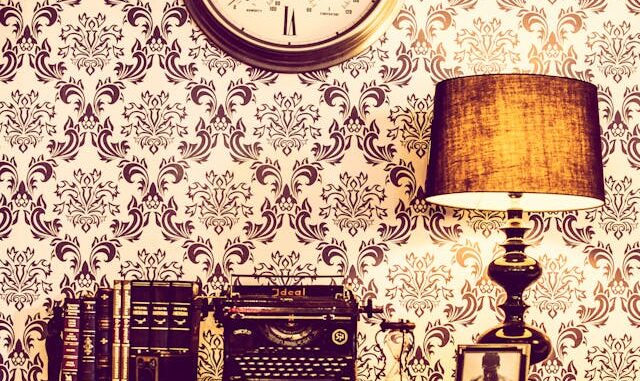

Walls are more than structural boundaries—they define how a space feels, functions, and communicates personality. In interior design, wall treatment is one of the most powerful tools to transform an ordinary room into a visually rich and emotionally engaging environment. Through paint, wallpaper, textures, panels, and decorative elements, walls can completely change the character of a space without altering its structure.
1. Paint: The Foundation of Wall Design
Paint remains the most widely used and versatile form of wall treatment. It sets the base tone of any interior and influences mood instantly.
Soft, neutral shades like beige, ivory, and pastels create a calm and spacious feeling, ideal for bedrooms and living areas. Bold colours such as deep blue, emerald green, or terracotta add drama and identity, often used in accent walls to highlight specific zones.
Modern techniques such as matte finishes, glossy textures, ombre effects, and colour blocking have expanded creative possibilities, allowing walls to become expressive design elements rather than plain surfaces.
2. Wallpaper: Pattern, Depth, and Personality
Wallpaper has made a strong comeback in contemporary interiors due to its ability to add instant character. Unlike paint, it introduces patterns, textures, and visual storytelling.
Popular types include:
- Floral wallpapers for soft, natural aesthetics
- Geometric patterns for modern and structured looks
- Abstract designs for artistic interiors
- Textured wallpapers that mimic fabric, stone, or wood
Wallpaper is especially useful in feature walls, living rooms, and bedrooms where a strong visual impact is desired without overwhelming the entire space.
3. Wall Panels: Structure and Sophistication
Wall panels bring depth and architectural elegance to interiors. They are often used in premium and modern designs to create a refined look.
Common types include:
- Wooden panels for warmth and natural appeal
- PVC panels for durability and easy maintenance
- 3D wall panels for sculptural, modern aesthetics
- Fabric or upholstered panels for luxury and acoustic comfort
These treatments add dimension and help break the monotony of flat surfaces.
4. Textured Finishes: The Art of Surface Design
Textured wall finishes add tactile and visual richness. Instead of smooth surfaces, designers use materials and techniques that create depth.
Popular options include:
- Stucco finishes
- Stone and brick cladding
- Concrete or industrial-style textures
- Sand and plaster effects
These finishes are often used in contemporary, rustic, or industrial-style interiors to create a grounded and natural feel.
5. Decorative Wall Elements: Art That Speaks
Beyond structural treatments, decorative elements bring life and identity to walls. They reflect personal taste and cultural expression.
Common decorative choices include:
- Framed artwork and paintings
- Wall mirrors to enhance light and space
- Sculptural pieces and installations
- Handmade crafts and wall hangings
- Floating shelves with curated objects
These elements turn walls into storytelling surfaces, adding emotional value to interiors.
6. Combining Wall Treatments for Impact
The most effective interiors often combine multiple wall treatment styles. For example, a room may feature a painted base, a wallpapered accent wall, and curated artwork for balance. The key lies in harmony—ensuring colour, texture, and form work together rather than compete for attention.
Lighting also plays a crucial role, enhancing textures and highlighting decorative features, making wall treatments more dynamic and visually engaging.
Conclusion
Wall treatments are no longer just finishing touches—they are central to interior design expression. Whether through paint, wallpaper, panels, textures, or decorative art, walls shape the identity of a space.
A thoughtfully designed wall does more than decorate a room—it creates atmosphere, defines character, and transforms everyday spaces into meaningful environments.