
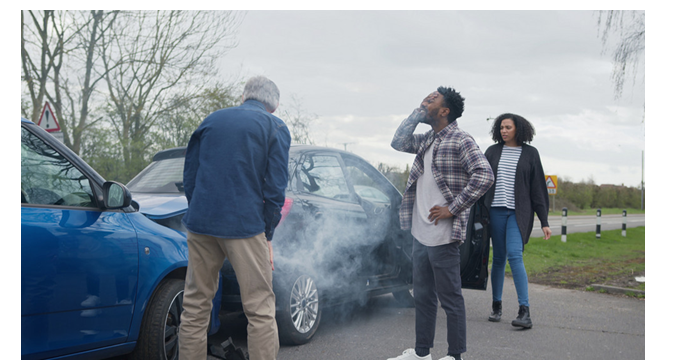

When an employee is involved in an accident while performing work-related duties, determining liability can be complex. These incidents often raise questions about responsibility, insurance coverage, and legal exposure for both individuals and the organization they work for. Whether the employee was driving a company vehicle, using personal transportation, or performing tasks at a job site, the circumstances surrounding the accident matter greatly.
Employers must understand how liability is evaluated to protect their interests while also ensuring injured parties receive appropriate compensation. Clear policies, proper training, and an understanding of how the law views work-related accidents are essential for any business operating in today’s fast-paced environment. By examining common scenarios and legal principles, organizations can better prepare for and respond to these challenging situations.
Understanding Work-Related Driving Risks
Many employee accidents occur while driving as part of job duties, such as making deliveries, traveling to meetings, or running errands for an employer. One complicating factor in these cases is identifying who is at fault and whether the employer can be held responsible for the employee’s actions. Adding to the challenge is the prevalence of drivers who flee the scene. In fact, nationwide, there are an estimated 700,000 hit-and-run accidents every year.
If an employee is struck by a hit-and-run driver while working, liability may initially seem unclear. However, workers’ compensation may still apply, and the employer’s insurance policies could come into play. From a business perspective, understanding these risks helps leaders evaluate coverage options and implement safety measures that reduce exposure.
Employee Negligence and Employer Responsibility
Another key factor in determining liability is whether the employee was acting within the scope of their employment at the time of the accident. If they were performing assigned duties, employers may be held vicariously liable for their actions, even if the employee made a mistake. This principle is particularly significant given how common vehicle collisions are.
According to Driver Knowledge, the average number of car accidents in the U.S. every year is roughly 6 million. With such a high frequency of accidents, it is not surprising that work-related collisions occur regularly. A business must assess whether the employee was properly trained, whether safety policies were followed, and whether the task itself created unreasonable risk. These factors often influence how liability is ultimately assigned.
Financial Impact of On-the-Job Accidents
Beyond legal responsibility, the financial consequences of employee accidents can be substantial. Medical bills, lost wages, vehicle repairs, and potential lawsuits can quickly add up, affecting both employees and employers. The broader economic impact highlights why liability decisions matter so much. According to Forbes, in total, injuries resulting from motor vehicle accidents caused $481.2 billion in financial costs in 2022.
For any business, these figures underscore the importance of proactive risk management. Insurance coverage, clear reporting procedures, and prompt investigation of accidents can help limit financial damage. Employers who understand the potential costs are better positioned to respond effectively and protect their operations.
Conclusion
Determining liability when an employee gets in an accident on the job requires careful analysis of the facts, the employee’s role at the time, and applicable laws. Driving-related incidents, questions of negligence, and the financial fallout all play a role in shaping outcomes. Employers who invest in training, enforce safety policies, and maintain adequate insurance are better equipped to handle these situations. Ultimately, a proactive approach helps ensure that injured parties are supported while reducing uncertainty and risk for every business involved.